


How to Maintain Natural Oils During Grooming for Healthy Hair and Skin
In a world filled with countless grooming products and quick-fix solutions, it’s easy to overlook one of the most vital aspects of healthy hair and skin: natural oils. These oils—produced by our own bodies—are nature’s way of nourishing, protecting, and maintaining the balance of our skin and hair. When preserved properly, they act as a natural barrier against environmental damage, lock in moisture, and promote a vibrant, healthy appearance. But with frequent washing, harsh products, and environmental stressors, these oils can be stripped away, leading to dryness, irritation, and even more significant skin and hair issues.
In this article, we’ll explore how to maintain natural oils during grooming to support healthier hair and skin. Whether you’re aiming for softer hair, a glowing complexion, or simply want to preserve the natural balance your body works hard to maintain, understanding these key strategies can make a real difference. Let’s delve into the science and practical tips that can help you keep your natural oils intact and your grooming routine optimized for health.
Understanding the Role of Natural Oils in Hair and Skin Health
Our bodies produce an array of natural oils—sebum in the scalp and skin, along with other sebaceous secretions—that serve as essential components for overall health. Sebum, produced by sebaceous glands, acts as a protective layer that keeps the skin hydrated, prevents bacterial invasion, and reduces the impact of environmental pollutants. In hair, natural oils help lubricate strands, reduce breakage, and give hair its natural shine. Without these oils, skin can become dry, flaky, and prone to irritation, while hair can become brittle, dull, and difficult to manage.
These oils are more than just moisturizers—they are vital for maintaining the skin’s barrier function. When intact, they help prevent moisture loss and shield against external aggressors such as pollution, UV rays, and harsh weather conditions. Additionally, natural oils contain nutrients like antioxidants, fatty acids, and vitamins that support cellular health and promote a youthful appearance. Disrupting this delicate balance by over-cleansing or using incompatible products can lead to a condition called seborrheic imbalance, resulting in dry patches, oily build-up, or acne.
Understanding how natural oils function helps us appreciate the importance of preserving them during grooming. Over-washing, excessive use of drying products, or even environmental factors can strip away these oils, leading to a cycle of overproduction (in oily skin) or deficiency (in dry skin). The goal of a healthy grooming routine should be to support the natural production and retention of these oils, ensuring your hair and skin remain balanced, resilient, and glowing.
Key Techniques for Preserving Natural Oils During Grooming
Maintaining natural oils starts with mindful grooming techniques that respect your body’s inherent balance. One of the most effective strategies is moderation in washing and cleansing. For example, washing hair or face excessively removes sebum, prompting the skin to produce even more oil to compensate, which can lead to greasy buildup or breakouts. Instead, aim for cleansing your hair and skin just enough to remove dirt and excess oil without stripping away the natural moisture.
Another essential tip is avoiding overly hot water during washing. Hot water can dissolve the lipid barrier of your skin and scalp, increasing dryness and irritation. Instead, opt for lukewarm water, which effectively cleanses without damaging natural oils. When applying cleansers or shampoos, choose gentle, sulfate-free formulas designed to clean without stripping oils. After washing, pat your skin and hair dry gently rather than rubbing vigorously, which can disturb the natural oil layer and cause micro-tears or irritation.
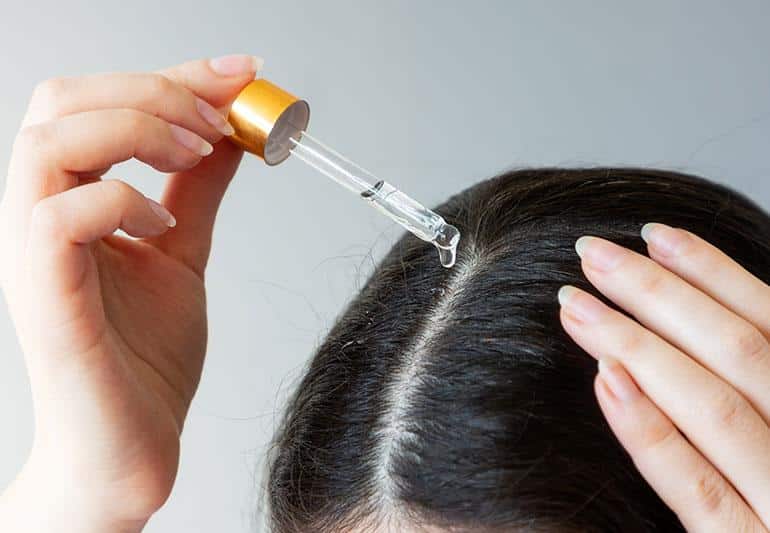
Incorporating oils and natural moisturizers into your grooming routine can also support the preservation of your body’s oils. For example, using light natural oils such as argan, jojoba, or coconut oil as a pre-shampoo treatment can help protect hair from over-washing, while facial oils like squalane or rosehip can nourish the skin without clogging pores. Lastly, limiting the frequency of shampooing and opting for co-washing (washing with conditioner) can help maintain the lipid barrier on your scalp, preventing unnecessary oil loss. These techniques collectively aid in supporting your skin and hair’s natural oil production, promoting long-term health.
Choosing Grooming Products That Support Natural Oil Balance
The products you select for grooming can make or break your efforts to maintain natural oils. Many commercial shampoos, cleansers, and skincare products contain harsh chemicals like sulfates, alcohol, and synthetic fragrances that strip oils and disrupt the skin’s acid mantle. To support your goal of preserving natural oils, it’s crucial to choose gentle, nourishing, and natural-based products.
Look for shampoos labeled as sulfate-free and pH-balanced, as these are formulated to clean hair without removing essential oils. Similarly, opt for facial cleansers that are free from alcohol and harsh detergents, preferably with ingredients like glycerin or natural oils that provide gentle cleansing while maintaining moisture. When selecting moisturizers or oils for skin and hair, prioritize non-comedogenic, lightweight, and natural options like jojoba oil, argan oil, or squalane, which mimic the body’s natural sebum and support the skin’s barrier without clogging pores.
It’s also a good idea to read ingredient labels carefully and avoid products with artificial preservatives, silicones, or alcohols. Instead, seek out products enriched with nourishing botanicals, antioxidants, and fatty acids that help strengthen the skin’s and hair’s natural oils. Using these thoughtful product choices ensures your grooming routine aligns with your goal of maintaining a healthy, balanced natural oil level, leading to softer, more resilient hair and skin over time.
Tips for Proper Washing and Conditioning to Maintain Natural Moisture
The way you wash and condition your hair and skin has a direct impact on your natural oil levels. For optimal hydration and protection, adopt a gentle routine that respects your body’s natural processes. For example, when washing hair, massage the scalp gently with your fingertips to stimulate circulation without disturbing the sebaceous glands. Use a mild, sulfate-free shampoo, and avoid over-washing; generally, washing 2-3 times a week is sufficient for most hair types to maintain natural oils.
For conditioning, focus on applying conditioner or natural oils primarily to the mid-lengths and ends of your hair rather than the scalp, which can lead to buildup. Rinse thoroughly with lukewarm water, as leftover residue can attract dirt and lead to greasy roots. After washing, pat your hair dry gently with a towel instead of rubbing vigorously, as rough handling can cause breakage and strip oils.
When it comes to facial cleansing, use lukewarm water and a mild cleanser suitable for your skin type. Be cautious not to over-cleanse—once or twice daily is adequate for most skin types. After washing, lock in moisture with a light, natural moisturizer or facial oil that supports your skin’s barrier function. Remember, the goal is to cleanse effectively without disrupting the natural oil balance, so always tailor your routine based on your specific needs and environment.
Lifestyle and Environmental Factors Affecting Natural Oil Levels
While grooming routines are essential, external factors such as diet, climate, and lifestyle habits significantly influence your skin and hair’s oil production. A diet rich in omega-3 fatty acids, vitamins A, C, and E, and antioxidants supports healthy sebum production and skin cell regeneration. Conversely, excessive consumption of processed foods, sugar, and alcohol can lead to inflammation and imbalance, impairing natural oil production.
Environmental conditions like humidity, pollution, and UV exposure also impact natural oils. For instance, dry or cold climates can sap moisture from your skin and hair, necessitating additional hydration and protection. Conversely, humid environments may make oily skin more prone to breakouts, requiring a balanced approach to cleansing and moisturizing. Protecting your skin from excessive sun damage with broad-spectrum SPF helps preserve its natural oils and prevent premature aging.
Lifestyle habits such as stress management, adequate sleep, and avoiding excessive touching or grooming can also influence oil balance. Stress triggers hormonal changes that can increase oil production or cause dryness, while lack of sleep hampers skin’s ability to repair itself. Incorporating regular exercise, staying hydrated, and practicing mindfulness can help regulate these factors, ensuring your skin and hair remain healthy and naturally balanced.
In Conclusion
Maintaining natural oils during grooming is a vital step toward achieving healthy, vibrant hair and skin. By understanding the role of these oils, adopting mindful grooming techniques, choosing supportive products, and considering lifestyle and environmental influences, you can preserve your body’s natural moisture barrier. Remember, the key is to be gentle, consistent, and intentional—stripping away excess oils too often or using harsh products can do more harm than good.
Prioritize nourishing your skin and hair with natural, gentle care, and pay attention to how your body responds to different routines and environments. When you support your body’s natural oil production instead of disrupting it, you’ll notice healthier, more resilient hair and skin that radiates vitality. So, take these insights to heart, and embrace a grooming routine that celebrates and preserves your natural beauty—because healthy hair and skin start from within.