

How to Maintain Your Dog’s Fur When Sleeping Outside: Tips for Outdoor Dogs
Caring for an outdoor dog requires more than just providing a sturdy shelter and plenty of love. While dogs are naturally resilient creatures, their fur plays a crucial role in protecting them from the elements—cold, heat, rain, and insects. When your pup spends a significant amount of time outdoors, especially overnight, maintaining a healthy, well-groomed coat becomes essential for their overall well-being. In this article, we’ll explore effective strategies to keep your outdoor dog’s fur in top condition, covering shelter needs, grooming routines, environmental management, nutrition, and ongoing care practices. Whether you have a backyard dog, a working farm companion, or a hiking buddy, these tips will help ensure your furry friend stays healthy, comfortable, and protected.
Ensuring Adequate Shelter and Insulation for Outdoor Sleeping Dogs
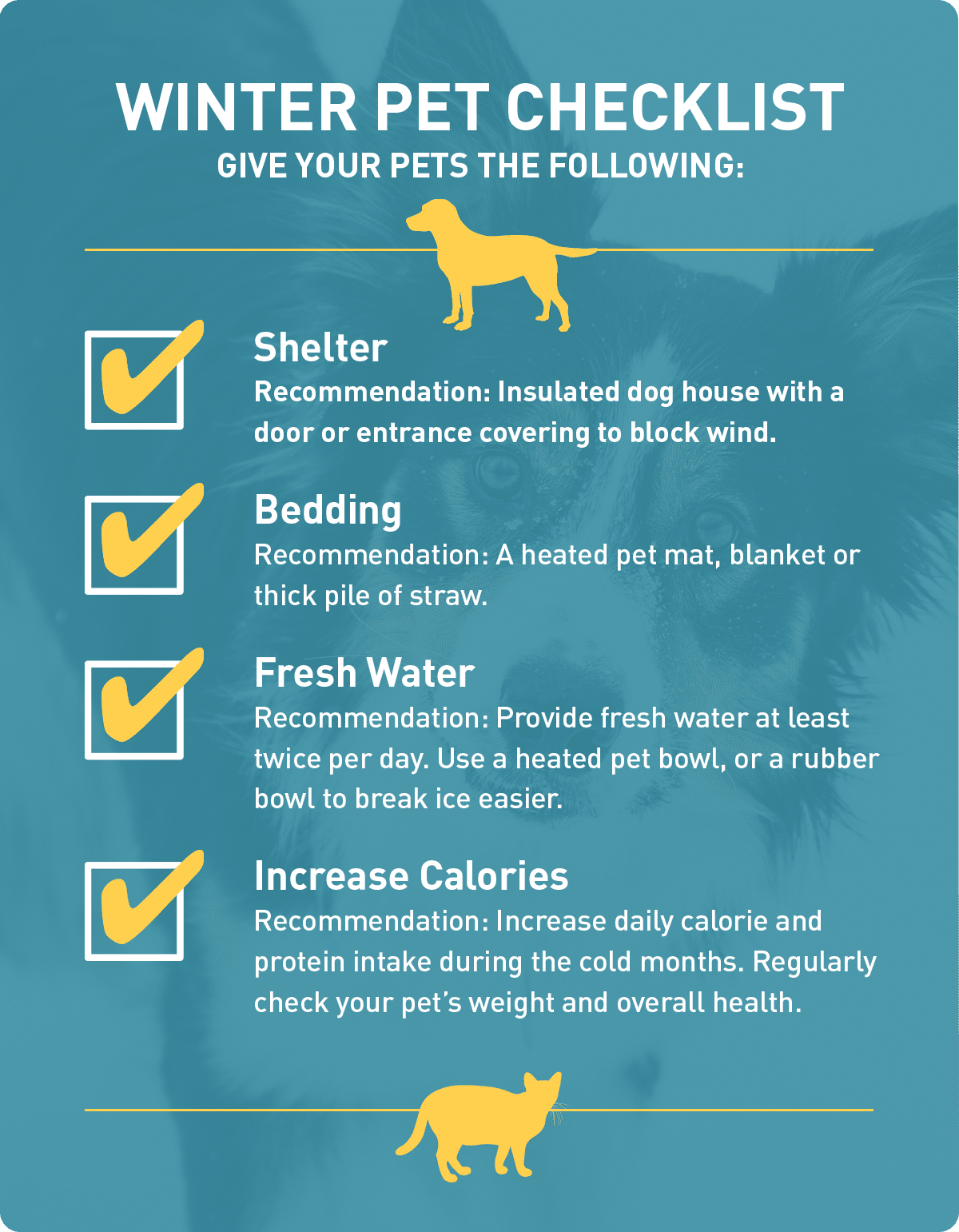
Providing the right shelter is the foundation of maintaining your outdoor dog’s fur health. A well-insulated, weatherproof doghouse acts as a barrier against harsh temperatures, wind, rain, and snow. The shelter should be appropriately sized—not too big, which can cause heat loss, nor too small, which restricts movement and airflow. Make sure it’s elevated off the ground to prevent moisture accumulation and drafts, and use insulating materials such as straw, foam panels, or thick bedding to add warmth during colder months.
In addition to insulation, ventilation is crucial to prevent excess humidity and mold growth that can damage your dog’s coat and skin. Proper airflow helps regulate temperature and reduces the risk of respiratory issues. Regularly inspect the shelter to ensure it remains dry and free of pests like fleas or ticks, which thrive in damp, unclean environments. A clean, dry, and cozy shelter not only keeps your dog comfortable but also supports healthy fur by reducing exposure to moisture and parasites that can cause skin infections or coat damage.
Furthermore, consider your local climate when designing or choosing a shelter. In colder climates, heavier insulation and windproof barriers are necessary, while in warmer regions, providing shade, ventilation, and cooling mats can prevent overheating. Providing a dedicated, safe sleeping area with consistent bedding and protection from the elements ensures your outdoor dog’s fur remains healthy and their body temperature stays regulated. Remember, a protected dog is a happy, healthy dog with a better-coated coat.
Protecting Fur Health Through Proper Grooming and Maintenance Techniques
Regular grooming is an essential aspect of maintaining a healthy coat for outdoor dogs. Brushing several times a week helps remove dirt, loose fur, and debris that can accumulate when your dog is outside. It also stimulates blood flow to the skin, promoting healthy hair growth and distributing natural oils that keep the fur shiny and waterproof. Use appropriate brushes for your dog’s coat type—slicker brushes for dense fur, undercoat rakes for double coats, or pin brushes for longer hair—to ensure effective grooming without causing discomfort.
Beyond brushing, routine bathing with a gentle, dog-specific shampoo can help remove dirt, parasites, and skin irritants, which are common concerns for outdoor dogs. Be cautious not to over-bathe, as excessive washing can strip natural oils, leading to dry, brittle fur. Instead, bathe your dog as needed—typically every 4 to 8 weeks—and always follow up with a conditioner or coat moisturizer designed for dogs. Regular checks for matting, especially in long-haired breeds, and trimming overgrown hair around the paws and ears also aid in preventing skin issues and maintaining a tidy, healthy coat.
In addition to grooming, paying attention to skin health is vital. Use gentle, hypoallergenic products if your dog has sensitive skin, and incorporate flea and tick prevention treatments as recommended by your veterinarian. Regularly inspecting your dog’s fur for signs of parasites, skin infections, or irritations ensures early intervention, reducing the risk of long-term coat damage. Consistent grooming and maintenance not only keep your dog’s fur looking good but also serve as an opportunity to catch health issues early, ensuring your outdoor companion remains comfortable and covered in a healthy coat.
Managing Environmental Factors to Prevent Skin and Coat Issues
Outdoor environments pose unique challenges that can impact your dog’s fur health. Exposure to harsh weather conditions—such as rain, snow, wind, and sun—can lead to skin irritation, dryness, or infections if not properly managed. Applying pet-safe sunscreen on exposed skin areas can prevent sunburn, while providing shade and shelter minimizes direct sun exposure that can cause coat bleaching or skin damage. Conversely, frequent rain and snow can lead to damp fur, which fosters fungal or bacterial growth if not thoroughly dried.
Insects like fleas, ticks, and mites are common pests for outdoor dogs, and their bites can cause itching, inflammation, and hair loss. Regularly treating your dog with veterinarian-recommended parasite preventatives, and checking the coat for pests after outdoor activities, are crucial steps in safeguarding fur health. Additionally, environmental allergens such as pollen, mold, and grasses can trigger skin allergies, resulting in itching, redness, and coat deterioration. Keeping outdoor living areas clean and dry, and consulting your vet about allergy management, can help mitigate these issues.
Climate-related factors also influence fur maintenance. Cold, dry air can lead to brittle fur and skin cracking, while humid conditions promote bacterial and fungal infections. To combat this, consider using humidifiers or applying moisturizing sprays designed for dogs to maintain skin hydration in winter, and ensure your outdoor dog has access to fresh, clean water at all times. Adjusting grooming routines seasonally—such as more frequent brushing in shedding seasons or trimming long coats in summer—can help your dog adapt to environmental challenges and keep their coat in optimal condition.
Nutrition and Supplements to Support Healthy Fur in Outdoor Conditions
A balanced diet rich in essential nutrients is key to maintaining a shiny, resilient coat, especially for outdoor dogs exposed to variable weather conditions. High-quality commercial dog foods formulated with adequate levels of omega-3 and omega-6 fatty acids support skin health and coat shine. These fatty acids help reduce inflammation, control itching, and promote hair growth, which is especially important when your dog faces environmental stressors that can compromise fur quality.
In addition to diet, incorporating specific supplements can give your outdoor dog an extra boost in fur health. Fish oil supplements, rich in EPA and DHA, are renowned for their anti-inflammatory properties and ability to improve coat texture and luster. Biotin, a B-vitamin, supports hair strength and growth, while zinc plays a vital role in skin regeneration and immune function. Always consult your veterinarian before adding supplements to your dog’s routine to ensure proper dosage and suitability for your dog’s specific needs and health conditions.
Furthermore, hydration plays a vital role in fur health. Dehydration can lead to dry, brittle fur and flaky skin. Make sure your outdoor dog has constant access to clean, fresh water, especially during hot weather or after physical exertion. Proper nutrition combined with hydration not only enhances coat condition but also boosts your dog’s overall immune system, making their fur more resistant to environmental damage and parasites. Consistent dietary focus on the right nutrients ensures your outdoor dog’s coat remains thick, shiny, and resilient against outdoor challenges.
Regular Monitoring and Care Practices for Maintaining Coat Condition
Maintaining a healthy coat in outdoor dogs requires ongoing vigilance and regular care routines. Establishing weekly or bi-weekly grooming and inspection sessions helps catch early signs of skin infections, parasites, or coat damage. During these checks, look for unusual hair loss, redness, swelling, or sore spots that may indicate underlying health issues needing veterinary attention. Staying proactive prevents minor problems from escalating into serious skin or coat conditions.
In addition to grooming, keeping a record of your dog’s coat condition, grooming schedule, and any external factors like recent weather changes or environmental exposures can inform better care practices. Regularly cleaning your dog’s bedding, shelter, and outdoor living area reduces the risk of dirt accumulation and pest infestations. If your dog’s coat becomes matted, tangled, or excessively dirty, take the time to carefully detangle or bathe them to restore a clean, healthy appearance. Consider professional grooming if your dog has a long or thick coat that requires specialized trimming or maintenance.
Finally, routine veterinary check-ups are essential for outdoor dogs, especially to monitor for skin issues, parasites, and nutritional health. Your vet can recommend tailored grooming products, supplements, or skin treatments to address specific concerns. Keeping your dog active, socially engaged, and well-groomed not only enhances their coat health but also contributes to their overall happiness and well-being. Remember, a healthy coat is a mirror of your dog’s overall health—consistent care and monitoring are the keys to long-term success.
Conclusion
Caring for your outdoor dog’s fur involves a combination of providing proper shelter, maintaining a consistent grooming routine, managing environmental challenges, supporting their diet with the right nutrition, and keeping a close eye on their overall health. When these elements are combined thoughtfully, your dog’s coat remains resilient, shiny, and healthy despite the outdoor elements. Remember, a well-maintained coat not only boosts your dog’s appearance but also plays a vital role in their comfort, protection from the elements, and overall health. By investing time and attention into these practices, you’re ensuring that your outdoor companion stays happy, comfortable, and looking their best—no matter what Mother Nature throws their way.