


How to Maintain Your Dog’s Whiskers for Healthy, Sensitive Sensing
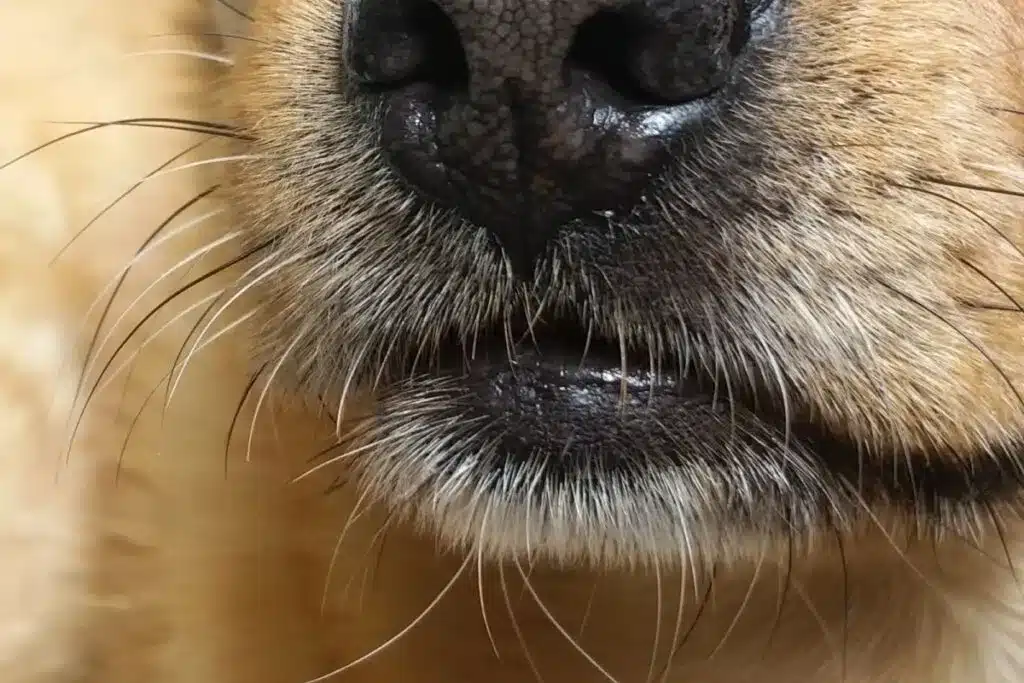
If you’ve ever looked at your dog closely, you’ve probably noticed those soft, stiff hairs around their muzzle—commonly called whiskers or vibrissae. These specialized hairs are much more than cute facial features; they’re vital tools for your dog’s sensory system. Properly caring for and maintaining your dog’s whiskers can significantly enhance their ability to navigate the world safely and comfortably. Whether your pup is a seasoned explorer or just loves snuggling, understanding how to keep their whiskers healthy is essential for their well-being.
In this article, we’ll explore why dog whiskers are so important, how to clean and maintain them properly, common causes of damage and how to prevent them, signs of whisker problems, and tips to support their comfort and function. By the end, you’ll be equipped with practical knowledge to help your furry friend keep their sensory tools in top shape.
Understanding the Importance of Dog Whiskers for Sensory Navigation
Dog whiskers are specialized, deeply embedded hairs that serve a critical role in their sensory perception. These whiskers are rooted in nerve-rich follicles that send detailed information to the brain about the environment. Unlike regular fur, whiskers are highly sensitive to touch and vibrations, allowing dogs to detect nearby objects, changes in airflow, and even the texture of surfaces. This sensitivity helps them navigate in low-light or tight spaces, avoid obstacles, and even assess the size and shape of objects—crucial skills for both wild and domestic dogs.
Beyond navigation, whiskers also play a role in spatial awareness. For example, when a dog encounters an object close to their face, their whiskers will brush against it, providing immediate feedback about its proximity. This is especially important for dogs that are blind or visually impaired, as they rely heavily on their vibrissae to interpret their surroundings. Whiskers are also sensitive to air currents, alerting dogs to movement or potential threats nearby—a vital survival instinct in the wild.
Understanding the importance of whiskers emphasizes why maintaining their health is essential. Damaged or neglected whiskers can impair a dog’s ability to sense their environment safely, leading to confusion, anxiety, or even injuries. Therefore, supporting the health and integrity of these sensitive hairs is a fundamental part of caring for your dog’s overall sensory well-being.
Proper Techniques for Cleaning and Maintaining Dog Whiskers
Keeping your dog’s whiskers clean and uninjured doesn’t require complex procedures, but it does demand gentle and consistent care. First, it’s important to avoid unnecessary touching or pulling on the whiskers, as they are deeply embedded and sensitive. When cleaning around the face, use a soft, damp cloth to gently wipe the muzzle, being careful not to scrub or apply excessive pressure directly on the whiskers. Regularly checking for dirt, debris, or substances like food or saliva that might cause irritation is recommended.
If grooming involves trimming hair around the face, do so cautiously, ensuring that you do not accidentally cut or trim the whiskers themselves. Many pet grooming tools are designed to be safe for facial hair, but it’s best to leave trimming of the whiskers to professionals if you’re unsure. Never use scissors or razors near the face for trimming whiskers, as this can easily cause injury or damage the follicle. If your dog’s whiskers become dirty or greasy, a gentle rinse with warm water and mild, pet-safe shampoo can help, but always avoid harsh chemicals or alcohol-based products that might irritate the skin or hairs.
Another aspect of maintaining whisker health involves monitoring for signs of damage or irritation. If you notice your dog scratching their face more frequently or showing signs of discomfort, it may be time to do a gentle inspection. In cases of persistent dirt or debris buildup, consult your veterinarian for advice on safe cleaning methods. Remember, the goal is to support the natural function of the whiskers, not to interfere with their sensitivity or cause trauma.
Common Causes of Whisker Damage and How to Prevent Them
Many common factors can lead to whisker damage, often unknowingly caused by owners or environmental conditions. One of the leading culprits is rough grooming or trimming, which can accidentally cut or weaken the whiskers if not done carefully. Using improper grooming tools or trimming too close to the face can cause the hairs to break or fall out, impairing the sensory function. To prevent this, always opt for professional grooming or learn the proper techniques if you prefer to do it yourself.
Another cause of damage is physical trauma or accidental injury. Dogs that frequently bump into furniture, sharp edges, or other objects are at risk of damaging their whiskers. This is especially true for dogs that are very active or those with certain medical conditions that affect their facial skin. Ensuring your home environment is safe and free of hazards can reduce the likelihood of injury. Additionally, protecting your dog during playtime—avoiding rough interactions or items that could poke or scratch their face—is a good practice.
Environmental factors such as exposure to chemicals or irritants can also harm whiskers. Strong cleaning agents, pesticides, or even certain shampoos may weaken the hairs or cause irritation. Always use pet-safe products and rinse thoroughly to minimize residue. Lastly, aging and health issues can affect whisker vitality; as dogs grow older, their hairs may become brittle or sparse. Regular veterinary check-ups can help catch underlying health concerns early, allowing for appropriate interventions to preserve whisker health.
Signs of Whisker Health Issues and When to Seek Veterinary Advice
While whiskers are resilient, they are also sensitive indicators of overall health. Recognizing signs of whisker problems early can prevent discomfort and preserve your dog’s sense of security. One common indicator of issues is whisker loss or thinning, which might appear as uneven or patchy areas around the face. This can occur due to repeated trauma, skin infections, or nutritional deficiencies. If you notice excessive shedding or damaged hairs, it’s worth consulting your veterinarian.
Another sign to watch for is irritation, redness, or swelling around the whisker follicles. These symptoms could suggest an allergic reaction, dermatitis, or infection. Persistent itching or discomfort when touching the face may also indicate underlying skin conditions that need treatment. Furthermore, if your dog seems to bump into objects more often or shows signs of confusion during navigation, it might be a sign that their whisker function is compromised.
In cases of obvious injury, such as cuts or bleeding near the face, immediate veterinary attention is necessary. Damage to the follicle or nerve endings can impair sensory perception and cause long-term issues if left untreated. Regularly inspecting your dog’s face and whiskers, combined with attentive observation of their behavior, can help catch potential problems early. When in doubt, seeking professional advice ensures that your dog’s whisker health is maintained and that any underlying conditions are properly addressed.
Tips for Supporting Your Dog’s Whisker Comfort and Functionality
Supporting your dog’s whisker health goes beyond cleaning and avoiding damage—it involves creating an environment that respects their sensory needs. Providing a safe, obstacle-free space helps prevent accidental injuries to their delicate vibrissae. Keep sharp or hard objects away from areas your dog frequents, especially if they tend to wiggle or bump into things when excited or nervous.
Supporting your dog’s overall health also benefits their whiskers. A balanced diet rich in vitamins and minerals—particularly biotin, zinc, and omega fatty acids—can promote healthy hair growth and strength. Regular veterinary check-ups can help identify deficiencies or underlying health issues that may affect whisker vitality. In some cases, medical conditions like allergies or skin infections may require targeted treatments to restore complete whisker function.
Finally, respect your dog’s natural sensory boundaries. Avoid touching or pulling on their whiskers, as this can cause pain or damage. If your dog is uncomfortable with facial handling, find alternative ways to examine them or provide comfort. Encouraging gentle, positive interactions around their face can help them feel secure and reduce stress. Remember, supporting your dog’s whiskers isn’t just about maintenance—it’s about respecting their natural sensory tools and ensuring they feel safe and confident in their environment.
In Conclusion
Your dog’s whiskers are vital sensors that help them interpret and navigate the world with confidence and safety. Proper maintenance involves gentle cleaning, careful grooming, and creating a safe environment to prevent damage. Recognizing signs of whisker health issues early and seeking veterinary advice ensures your dog remains comfortable and well-adjusted. Supporting their whisker health through nutrition, environment, and respectful handling enhances their sensory experience and overall quality of life.
By paying close attention to these sensitive hairs, you’re not only caring for a charming feature but also safeguarding your dog’s natural instincts and well-being. Remember, healthy whiskers are a sign of a happy, well-adjusted dog—so give them the attention they deserve!