


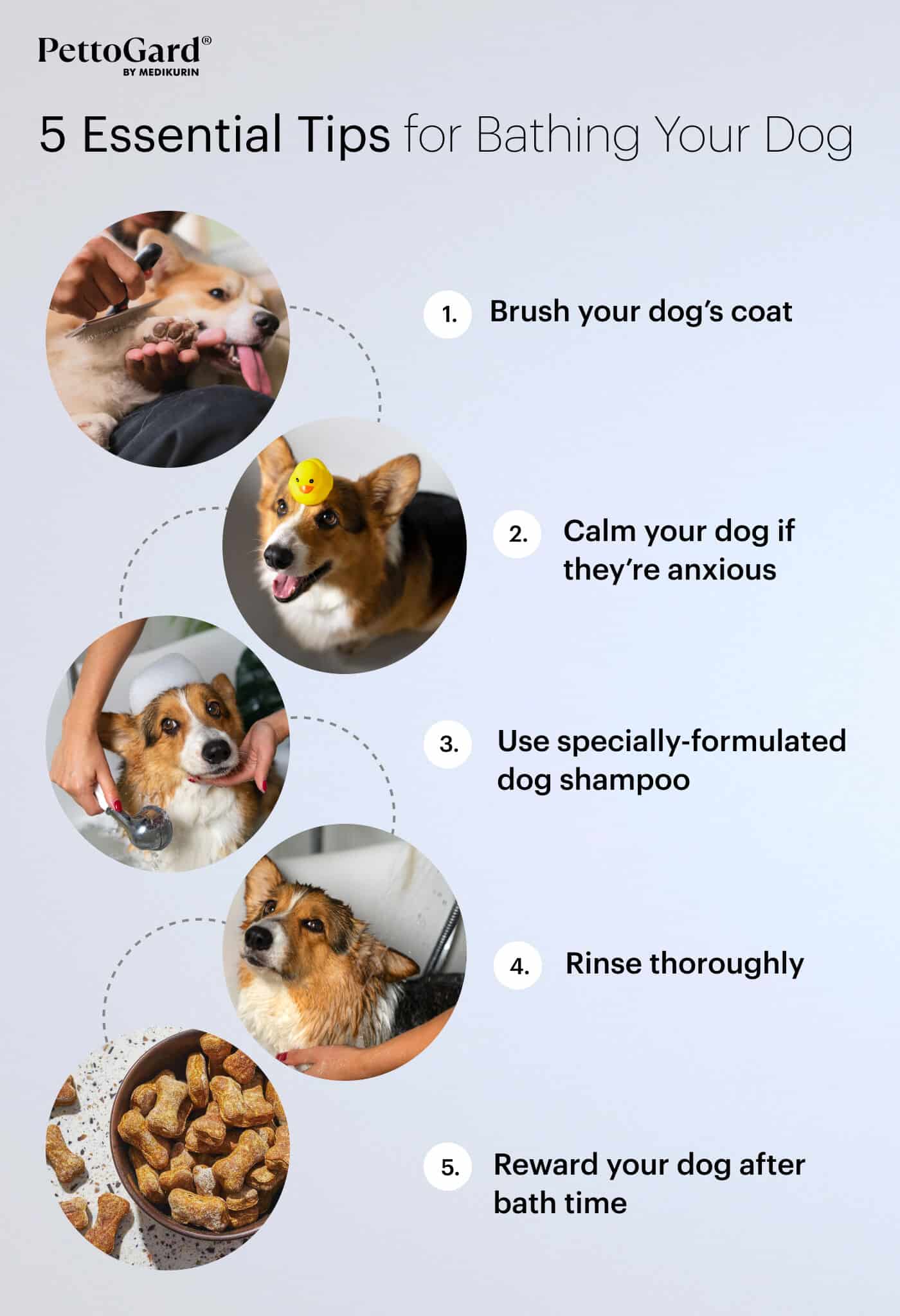
How to Make Bath Time a Fun, Routine Experience Your Dog Enjoys
Bath time can be a dreaded chore for many dog owners—and an equally stressful experience for dogs. However, with the right approach, bathing can transform from a stressful event into a positive, bonding activity that your dog actually looks forward to. Whether your pup is a water lover or a reluctant bath-taker, making bath time enjoyable involves preparation, patience, and consistency. This article will guide you through creating a fun, routine experience that your dog will associate with comfort and reward, making bath time a stress-free part of your pet’s grooming regimen.
Preparing Your Dog and Bathing Environment for a Positive Experience
The first step to turning bath time into a pleasant experience is proper preparation—for both your dog and the environment. Dogs often associate unfamiliar settings or abrupt handling with fear, so setting the stage for comfort is crucial. Before you even turn on the water, spend time familiarizing your dog with the bathing area. Use treats and praise to encourage them to explore the space calmly. If your dog is new to baths, gradually introduce the environment by letting them sniff and investigate the tub or bathing area, which reduces anxiety caused by the unknown.
Creating a calm, safe environment is equally important. Choose a quiet time when your dog isn’t overly energetic or anxious, and ensure the room temperature is warm enough to prevent chills. Using a non-slip mat inside the tub or sink can help your dog feel more secure and prevent slipping accidents, which might cause fear or injury. Additionally, consider setting up all your supplies within arm’s reach beforehand—such as towels, shampoo, and brushes—so you’re not scrambling during the bath, which could increase your dog’s stress. A calm, clutter-free space with a gentle atmosphere will set the tone for a positive bathing experience.
Finally, consider your dog’s individual personality and preferences. Some dogs dislike being touched or restrained, so plan to handle your pet gently and patiently. Use calming techniques such as speaking in a soothing voice or offering a favorite toy to distract them. If your dog is particularly anxious, you might even try using calming sprays or pheromone diffusers designed for pets, which can help reduce stress. Preparing thoroughly ensures that both you and your furry friend feel more relaxed, laying the foundation for a more enjoyable bath routine.
Selecting the Right Bathing Supplies and Products for Your Dog’s Needs
Choosing appropriate bathing supplies is essential in making bath time safe, effective, and enjoyable. Not all shampoos are created equal, so selecting products tailored to your dog’s coat type, skin condition, and age will promote healthier skin and make grooming easier. For example, dogs with sensitive skin benefit from hypoallergenic, fragrance-free shampoos, while those with oily coats might require a clarifying formula. Consulting your veterinarian for product recommendations can help you select the best options suited for your dog’s specific needs.
Investing in quality tools can significantly improve the bathing experience. A sturdy, non-slip bathtub or basin with a shower attachment makes the process smoother and safer. Use a gentle, dog-specific brush or comb to loosen dirt, loose fur, and tangles before and after the bath. A waterproof, ergonomic sprayer helps evenly distribute water while reducing splashing and noise, which can be frightening for sensitive pups. Additionally, using a tear-free, mild shampoo designed for dogs minimizes irritation around the eyes and face—an area that many dogs dislike having touched.
Another important aspect is to avoid human shampoos or harsh chemicals, as these can cause skin irritation or allergic reactions in dogs. Natural or organic products with soothing ingredients like oatmeal, aloe vera, or coconut oil can be nourishing and calming. Remember to have a soft towel or two on hand for quick drying, along with a blow dryer set to a low, cool setting if your dog tolerates it. By selecting the right supplies, you’re setting the stage for a safe, comfortable, and even enjoyable bath time that promotes good hygiene and strengthens your bond.
Establishing a Consistent and Gentle Bathing Routine to Build Trust
Consistency is key to transforming bath time into a routine your dog can anticipate and accept with less stress. Dogs thrive on predictable schedules, which help them understand what’s coming next and reduce anxiety. Establish a bathing routine that fits your lifestyle—whether it’s weekly, biweekly, or monthly—and stick to it as much as possible. Over time, your dog will associate bath time with a regular, familiar activity, decreasing resistance and building trust.
Begin each bath session with a gentle, reassuring approach. Use calm, loving words and avoid rushing, as hurried handling can make your dog anxious. Desensitize your pet to the bathing process by gradually introducing one step at a time—first getting them used to the sound of running water, then pouring water over their paws, and eventually washing their body. This gradual exposure prevents overwhelming your dog and helps them feel more in control. Several short, positive interactions are more effective than one stressful, lengthy session.
Patience and gentle handling are essential in establishing a positive routine. If your dog shows signs of fear or discomfort, pause and give them a break, then try again later. Reward calm behavior consistently with treats, praise, or affection—this reinforces the idea that bath time is a safe, rewarding experience. Over time, your dog will learn to trust that bath time is a routine activity, making future baths easier and less stressful for both of you.
Incorporating Rewards and Praise to Make Bath Time Enjoyable
Positive reinforcement is a powerful tool in making bath time a fun experience your dog enjoys. When your pup associates bathing with rewards, they’re more likely to remain calm and cooperative. Start by offering treats before, during, and after the bath—small, tasty, and healthy snacks work best. Praise your dog enthusiastically when they remain calm or perform a desired behavior, such as standing still or accepting handling, to strengthen positive associations.
You can also incorporate play or favorite toys into the routine to make the experience more engaging. For example, giving a chew toy or a stuffed puzzle during or immediately after the bath can help your dog associate the process with fun and comfort. The key is to keep the tone upbeat and to celebrate each small victory—like tolerating water or staying calm—so your dog learns that good behavior leads to positive outcomes. Over time, these rewards can transform bath time from a chore into a bonding and rewarding experience.
Consistency in praise and rewards also helps your dog build confidence during baths. Always use a gentle, encouraging tone and avoid scolding or punishment if your dog is hesitant or struggles. Instead, focus on their progress and patience, gradually increasing expectations as they become more comfortable. This positive reinforcement approach not only makes bathing more enjoyable but also fosters trust and a stronger bond between you and your furry friend.
Troubleshooting Common Bath Time Challenges and Ensuring Safety
Despite your best efforts, some dogs may still resist baths or experience challenges such as fear, slips, or injuries. Recognizing and addressing these issues quickly is vital to ensuring bath time remains a safe and positive event. If your dog shows signs of extreme anxiety or aggression, consider consulting a professional trainer or behaviorist who can help develop strategies tailored to your pet’s needs. Desensitization and counter-conditioning techniques can gradually reduce fear and resistance.
Slipping is a common concern, especially for older or larger dogs. Always use a non-slip mat in the tub or sink to prevent accidents. Keep water at a comfortable temperature—lukewarm is ideal—and avoid using high-pressure sprays that might scare your dog. Be cautious around sensitive areas such as the face, ears, and eyes, and avoid getting water directly into these areas unless your dog is comfortable with it. If your dog becomes distressed, calmly and gently remove them from the environment and try again later.
Safety also includes being prepared for emergencies. Keep a towel or blanket nearby to wrap your dog quickly if they become overly anxious or try to jump out. Have your veterinarian’s contact information on hand in case of any adverse reactions to products or injuries. Remember, patience and calmness are your best tools—forcing or rushing your dog can worsen fear or cause accidents. By troubleshooting challenges promptly and prioritizing safety, you’ll help your dog develop a positive attitude toward bath time.
Conclusion
Transforming bath time from a stressful necessity into a fun, routine activity is entirely possible with thoughtful preparation, appropriate products, consistent routines, positive reinforcement, and safety awareness. By creating a calm environment, choosing suitable supplies, and establishing a gentle, predictable routine, you foster trust and reduce anxiety. Reward and praise turn bathing into a bonding experience, encouraging your dog to see it as a positive part of their grooming regimen. Lastly, addressing challenges quickly and safely ensures that bath time remains a stress-free, enjoyable activity for both you and your furry friend. Embrace the process, be patient, and celebrate each small victory—your dog will thank you with wagging tails and happy baths!