


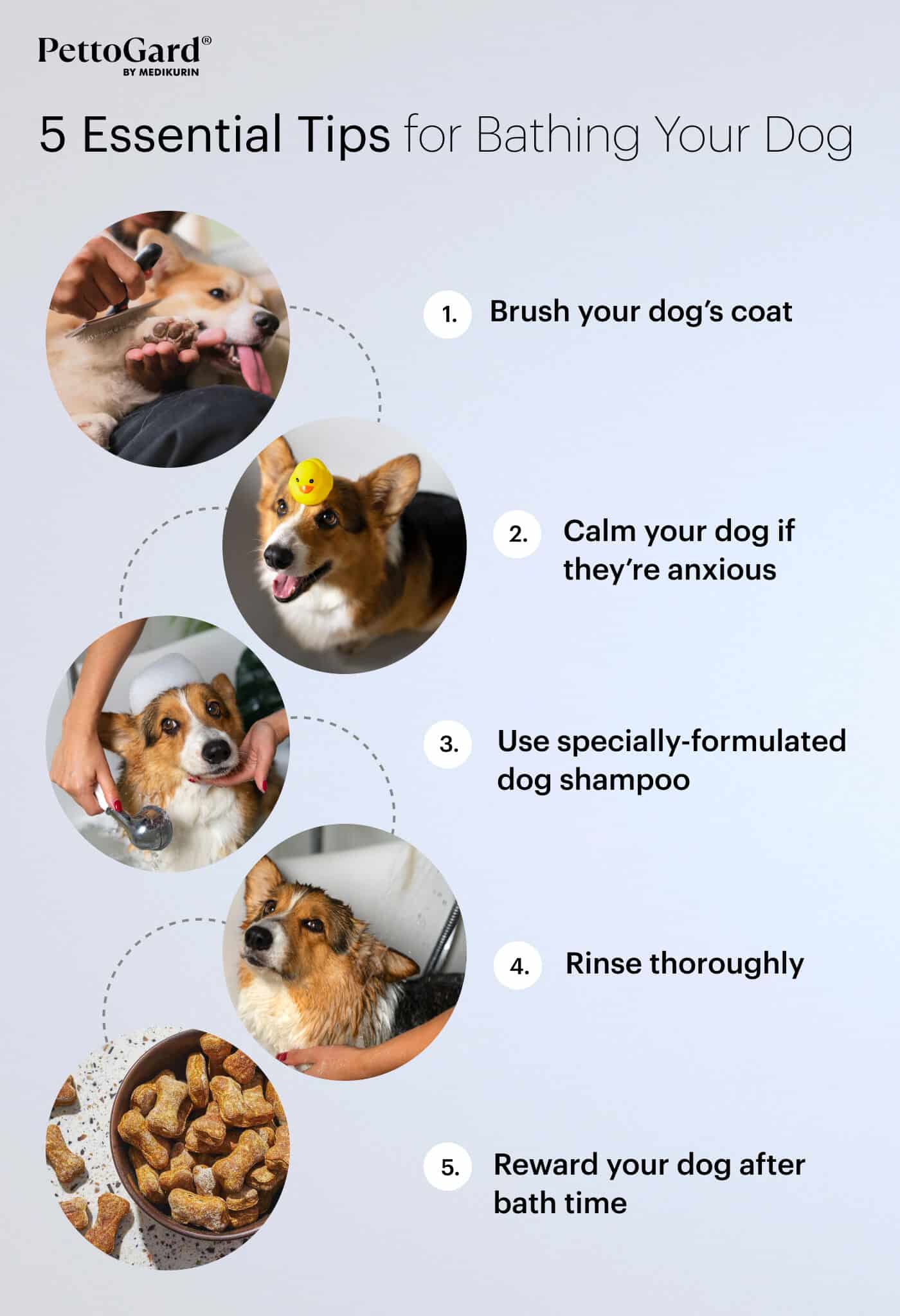
How to Make Bath Time Enjoyable for Your Dog: Tips for a Stress-Free Grooming
Bath time can be a challenging experience for many dog owners and their furry friends. Whether your dog is nervous, resistant, or simply doesn’t enjoy water, making bath time a positive and stress-free experience is essential for their health and happiness. A calm, comfortable grooming session not only keeps your dog clean and healthy but also strengthens your bond and reduces anxiety associated with bathing. In this article, we’ll explore practical and effective strategies to transform bath time into a pleasant routine for both you and your dog, covering everything from preparing the space to post-bath care.
Preparing the Bath Area and Gathering Supplies for a Stress-Free Dog Bath
Creating the right environment is the first step towards making bath time enjoyable. Start by selecting a suitable bathing location—this could be a bathtub, shower stall, or even an outdoor setup if the weather permits. Ensure that the space is clean, free of hazards, and equipped with non-slip mats to prevent accidents. Dogs can be fearful of slipping, especially if their paws are wet, so adding a textured mat provides stability and reassurance. Also, consider the size of your dog when choosing the area; a smaller, more contained space often makes the process easier.
Gather all necessary supplies beforehand to avoid last-minute scrambling, which can increase your dog’s anxiety. Essential items include dog-specific shampoo, a gentle conditioner if needed, towels, a cup for rinsing, and a brush for pre- and post-bath grooming. Using a shampoo formulated specifically for dogs is crucial, as human shampoos can irritate their skin. Additionally, some dogs benefit from calming aids like lavender sprays or pheromone diffusers, which can help reduce stress. Organizing your supplies within reach ensures a smooth, uninterrupted bathing process, taking the guesswork out of the procedure.
Finally, setting the scene with a calm, quiet environment can make a significant difference. Dim the lights slightly, minimize noise, and speak softly to your dog. Playing soft music or using calming scents can also help relax your pup. Remember, the goal is to create a soothing space where your dog feels secure, reducing their instinct to panic or resist. Investing time in preparation shows your furry friend that bath time is a safe, manageable part of their routine.
Gradually Introducing Your Dog to Bath Time and Building Positive Associations
Many dogs develop negative feelings about baths because of sudden exposure or past unpleasant experiences. The key to changing this narrative is gradual introduction. Start by familiarizing your dog with the bath area without water—simply let them explore and associate the space with positive experiences. Offer treats, praise, or playtime in the area so they begin to see it as a safe and enjoyable place. Over time, place your dog in the bath or tub with the water turned off, rewarding calm behavior to reinforce positive associations.
Once your dog is comfortable with the setup, introduce water slowly. Use lukewarm water, and start by wetting their paws and legs gently, praising them for staying calm. Gradually increase the water coverage, always monitoring their comfort level. If your dog shows signs of distress, pause and give them time to relax, then try again later. Consistency is key—regular, short sessions help your dog adapt without feeling overwhelmed. Remember, patience and positive reinforcement are your best tools; never force your dog into the water or punish them for resistance.
Building trust is the foundation of a stress-free bath experience. Incorporate treats, praise, and gentle petting throughout the process to create a positive feedback loop. Over time, your dog will start to associate bath time with rewards and pleasant interactions rather than fear. With patience and gentle handling, even the most anxious dogs can learn to tolerate—or even enjoy—getting cleaned. The goal is to make bath time predictable and rewarding, reducing anxiety and building confidence.
Using the Right Techniques and Products to Ensure a Comfortable and Effective Bath
Proper technique and suitable grooming products are vital for an effective and comfortable bath. Always use lukewarm water—neither hot nor cold—as extreme temperatures can cause discomfort or skin issues. When wetting your dog, do so gradually to avoid startling them and to ensure water reaches all areas, including behind ears and under the belly. Apply shampoo starting from the neck down, massaging gently to create a lather. Be cautious around the face; use a damp cloth or specially formulated pet wipes to clean sensitive areas without getting soap in their eyes, ears, or nose.
Selecting the right grooming products is equally important. Use a high-quality, dog-specific shampoo that suits your dog’s coat and skin type—oily, dry, sensitive, or normal. If your dog has skin conditions, consult your veterinarian for recommended medicated shampoos. Avoid human shampoos, which can be too harsh and disrupt the natural pH balance of your dog’s skin. For added comfort, opt for tearless, hypoallergenic, and natural ingredient shampoos. After shampooing, applying a conditioner designed for dogs can help keep their coat soft, manageable, and free of tangles.
Throughout the bath, handle your dog gently and speak in a calm voice to keep them relaxed. Use a gentle stream of water rather than high-pressure sprays, which can be frightening. Rinse thoroughly to remove all shampoo residue, as leftover soap can cause irritation. Pat your dog dry with a towel—avoid vigorous rubbing that might discomfort or scare them. If your dog tolerates it, a blow dryer on a low, cool setting can help speed up drying, but always keep it at a safe distance and monitor their reactions. Proper technique and quality products ensure a thorough, gentle clean and leave your dog feeling comfortable and cared for.
Making Bath Time Enjoyable with Rewards, Gentle Handling, and a Relaxing Environment
Transforming bath time into a positive experience involves more than just careful technique—it’s about creating a rewarding and calming atmosphere. Use treats and praise generously throughout the process to reinforce good behavior. For example, give a treat when your dog steps into the tub, remains still during washing, or allows their face to be cleaned. This encourages them to associate bath time with positive outcomes and helps build trust. Incorporate a favorite toy or a calming voice to make the experience more engaging and less intimidating.
Gentle handling is essential for reducing stress and discomfort. Avoid abrupt movements or yelling, and be mindful of your dog’s body language. If they show signs of anxiety—such as trembling, trying to escape, or lip licking—pause and reassure them with soothing words. Giving your dog breaks during the bath can help manage their stress, especially if they are not accustomed to water. Additionally, maintaining a calm demeanor yourself instills confidence in your dog; dogs pick up on your energy and respond accordingly. Consistency and patience go a long way in making bath time a positive routine.
Creating a relaxing environment also involves reducing external stimuli that may unsettle your dog. Soft music, calming scents, and a quiet atmosphere can help soothe their nerves. Using a calming spray or diffuser with pheromones designed for dogs can further promote relaxation. Remember, every dog is different—some may find comfort in gentle massage or petting during the bath. The key is to be attentive to your dog’s cues and adapt your approach to meet their needs, ensuring bath time is not just necessary but also an enjoyable bonding experience.
Tips for Post-Bath Care and Maintaining a Calm, Clean Dog Experience
After the bath, your work isn’t over—post-bath care plays a crucial role in maintaining a calm and clean dog. Toweling off your dog gently and thoroughly helps remove excess water and prevents them from shaking and splattering water around. For dogs that tolerate it, a blow dryer on a cool setting can speed up drying, but always keep the dryer moving and maintain a safe distance to avoid discomfort. Once dry, brush your dog’s coat to remove loose fur, prevent matting, and distribute natural oils for a shiny, healthy coat. Incorporating a calming tone and gentle strokes during grooming can help your dog stay relaxed and associate post-bath routines with comfort.
In addition to physical care, reinforce positive feelings by offering treats and praise after the bath. This helps your dog understand that good behavior leads to rewards, making future baths less stressful. Regularly check their ears, paws, and nails, and clean or trim as needed to prevent infections and discomfort. Maintaining a consistent grooming schedule also helps your dog become accustomed to the routine, reducing anxiety over time. Remember to be patient—some dogs may need multiple sessions to fully enjoy bath time.
Finally, consider the overall environment and your dog’s emotional state afterward. Providing a cozy resting spot, a favorite toy, or a calming treat can help them relax further. If your dog is prone to anxiety, incorporating calming aids or pheromone sprays into their post-bath routine can promote a sense of security. Keeping the experience positive and calm not only benefits your dog’s hygiene but also reinforces a trusting, stress-free relationship with grooming. Making bath time a gentle, rewarding process lays the groundwork for healthier, happier, and more manageable grooming sessions in the future.
In Conclusion
Making bath time enjoyable for your dog is all about preparation, patience, and positive reinforcement. By setting up a safe, comfortable environment, introducing your dog gradually, and using gentle techniques with the right products, you can turn a stressful chore into a bonding experience. Incorporating treats, calming environments, and gentle handling ensures your dog remains relaxed and even starts to look forward to bath time. Post-bath care, including thorough drying and positive reinforcement, seals the experience as a calm and rewarding routine. With these strategies, you can help your dog stay clean and happy while strengthening your relationship—turning grooming into an activity both of you can enjoy.