


How to Make Natural Dog Shampoo with Essential Oils at Home
If you’re a dog owner who loves treating your furry friend with natural products, making your own dog shampoo at home is a fantastic way to ensure your pup’s coat stays clean, healthy, and free from harsh chemicals. Using essential oils can boost the shampoo’s effectiveness and add a pleasant, calming scent, but it’s crucial to choose the right oils and ingredients to keep your dog safe. This guide will walk you through everything you need to know—from selecting safe essential oils to preparing, applying, and storing your homemade dog shampoo—so you can pamper your pet with confidence.
Choosing Safe and Effective Essential Oils for Homemade Dog Shampoo
Essential oils are potent plant extracts, and while they can do wonders for your dog’s skin and coat, not all oils are safe for canine use. The key to making a natural dog shampoo with essential oils is selecting those that are both effective and non-toxic. Some essential oils, such as tea tree oil, citrus oils, or peppermint, can be irritating or toxic to dogs if used inappropriately, so careful selection and dilution are paramount.
Safe essential oils for dogs generally include lavender, chamomile, frankincense, and cedarwood. Lavender, for example, has calming properties and can help soothe irritated skin, while chamomile offers gentle relief for sensitive skin and provides a pleasant fragrance. Frankincense is known for its anti-inflammatory benefits, and cedarwood can help repel fleas naturally. Before adding any essential oil, always consult reputable veterinary sources or an animal aromatherapy expert to confirm safety levels and appropriate dilution ratios. Remember that every dog is different—what’s safe for one breed or individual may not be for another—so start with small quantities and observe your dog’s reaction.
In addition to safety, consider the quality of essential oils. Opt for high-quality, pure, organic, and therapeutic-grade oils to ensure they are free from synthetic additives or contaminants. These quality standards not only maximize the benefits but also reduce the risk of adverse reactions. Be cautious with "fragrance oils" or cheaper options, which often contain synthetic chemicals that are unsafe for pets. Proper research and sourcing can make all the difference in creating a safe and effective natural dog shampoo infused with essential oils.
Selecting the Right Base Ingredients for Natural Dog Shampoo
Choosing the proper base ingredients is essential to creating a gentle, effective, and natural dog shampoo. Unlike human shampoos, dog shampoos must respect their skin’s pH balance, which is typically between 6.2 and 7.4—slightly more neutral than humans. Using a pH-balanced base helps prevent irritation and maintains your dog’s skin health.
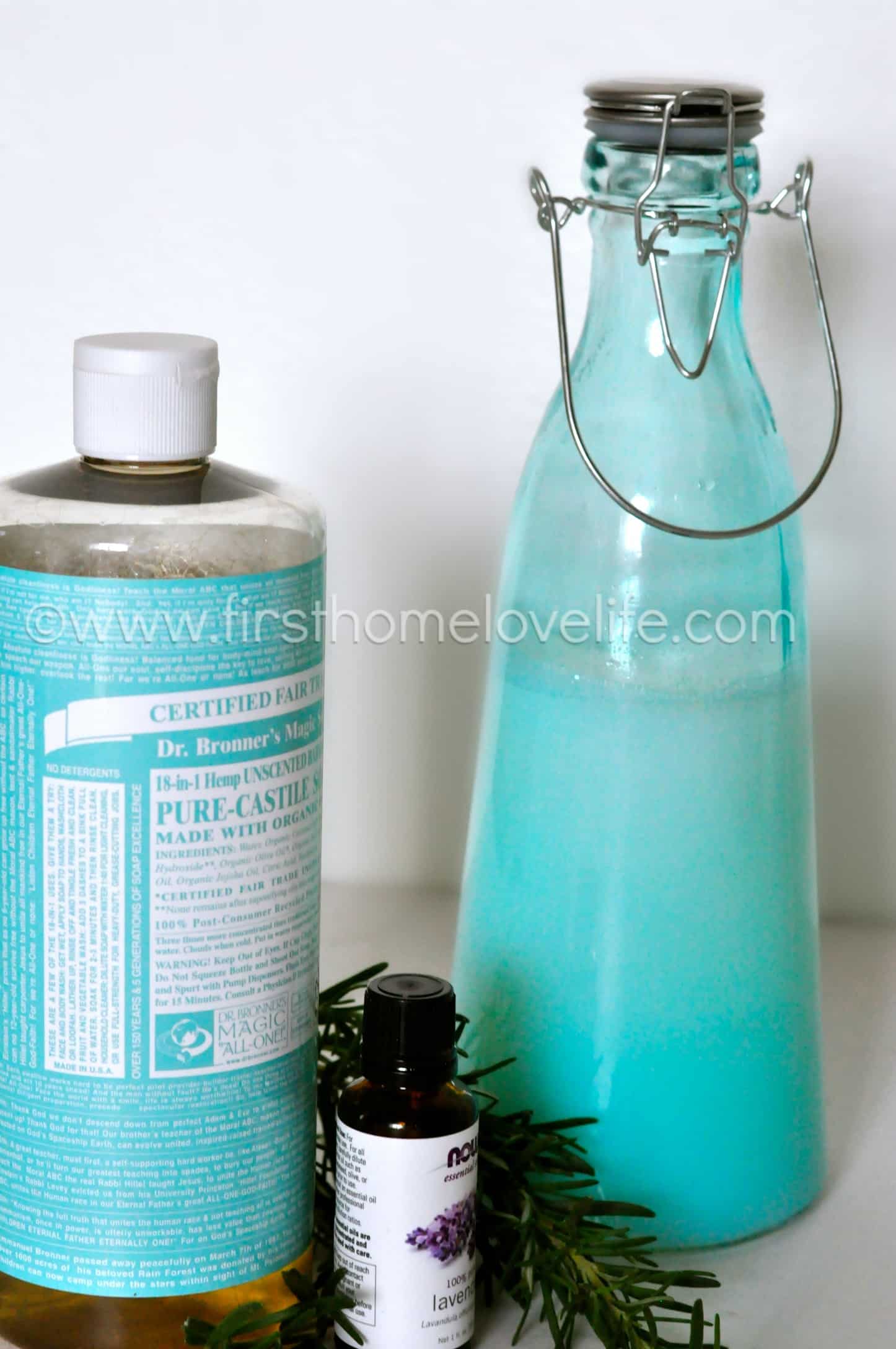
A common and effective base for homemade dog shampoo is castile soap, which is a vegetable-based, biodegradable soap that cleanses without stripping natural oils. Alternatively, you can use gentle liquid soaps formulated specifically for pets or even a mixture of natural ingredients like aloe vera gel, which soothes the skin, or coconut oil, which provides moisturizing benefits. Adding oatmeal or baking soda can also help alleviate itching and control odor naturally. When selecting your base, prioritize ingredients that are free from synthetic fragrances, parabens, or sulfates, as these can cause skin sensitivities or allergic reactions.
Liquid castile soap combined with natural carriers like aloe vera or coconut oil creates a versatile, nourishing shampoo base. For a more moisturizing approach, you might add a splash of apple cider vinegar diluted with water, which helps balance skin pH and fights bacteria. These ingredients are readily available, cost-effective, and safe for most dogs when used properly. Remember, the goal is to craft a gentle yet effective formula that cleans effectively without disrupting the skin’s natural barrier, leading to a healthier, shinier coat.
Step-by-Step Guide to Preparing DIY Dog Shampoo with Essential Oils
Creating your own natural dog shampoo with essential oils is straightforward and customizable. Start by gathering all your ingredients: a base (like castile soap), carrier oils (such as coconut or jojoba), essential oils (like lavender or cedarwood), and optional soothing additives like aloe vera or oatmeal. Begin with small batches—this helps you fine-tune the formula and makes storage easier.
First, measure out about one cup of your chosen base (castile soap or liquid soap). Next, add a tablespoon of carrier oil to provide extra hydration; coconut oil is popular for its antimicrobial and moisturizing properties. Incorporate 10-15 drops of your selected essential oils—remember, less is more, especially when working with potent oils. Mix these thoroughly in a clean container to ensure even distribution. If you’re adding soothing ingredients like aloe vera gel or oatmeal, incorporate them at this stage and stir well.
Once your ingredients are combined, transfer the mixture into a clean bottle or pump dispenser suitable for bathing your dog. Label your homemade shampoo clearly and store it in a cool, dark place to preserve its potency. Before giving your pup a full bath, do a patch test by applying a small amount of the shampoo to a small area of your dog’s skin. Wait 24 hours to check for any reactions. When ready, use lukewarm water and gently massage the shampoo into your dog’s coat, avoiding the eyes and ears. Rinse thoroughly to remove all residue, leaving a fresh, clean, and lightly scented coat.
Tips for Proper Application and Storage of Homemade Dog Shampoo
Proper application of your DIY dog shampoo not only ensures effective cleaning but also minimizes stress for your pet. Always use lukewarm water—hot water can dry out or irritate your dog’s skin, while cold water may be uncomfortable. Massage the shampoo gently into your dog’s coat, starting from the neck down and working your way to the tail. Focus on areas prone to dirt and odor, such as paws, underbelly, and behind the ears. Be cautious around sensitive areas like the eyes, nose, and ears; use a damp cloth for cleaning these parts if necessary.
During bathing, take your time to ensure the shampoo lathers well and reaches the skin beneath the coat. Let the shampoo sit for a few minutes to allow the essential oils and other ingredients to work their magic—this also gives the natural compounds time to penetrate the skin. Rinse thoroughly to remove all traces of shampoo, as residue can cause irritation or attract dirt. After bathing, dry your dog gently with a towel or a low-heat blow dryer, making sure their coat is thoroughly dry to prevent chilling or skin issues.
For storage, keep your homemade dog shampoo in a clean, airtight container away from direct sunlight and heat sources. Label the bottle clearly with the ingredients and date of preparation. Typically, natural shampoos without preservatives can last around 2-4 weeks—if you notice any change in smell, texture, or appearance, discard the product to prevent bacterial growth. Consider making smaller batches more frequently to ensure freshness and maximum effectiveness.
Ensuring Safety and Monitoring Your Dog’s Skin Reaction During Use
While homemade dog shampoos are a fantastic natural alternative, safety always comes first. Before regular use, perform a patch test by applying a small amount of the shampoo to a discreet area of your dog’s skin—like behind the ear or on the belly—and observe for any adverse reactions over 24 hours. Signs of sensitivity may include redness, itching, swelling, or hair loss. If any of these occur, discontinue use immediately and consult your veterinarian for guidance.
During and after bathing, keep an eye on your dog’s behavior and skin condition. If your dog shows signs of discomfort, excessive scratching, or inflammation, reassess the ingredients used and consider switching to a different formulation. It’s also essential to use the proper dilution of essential oils; overuse can lead to skin irritation or toxicity. Always remember that individual dogs can have unique sensitivities, so start with conservative amounts and gradually increase if no adverse reactions are observed.
Regularly check your dog’s skin and coat health—look for dryness, redness, or unusual odor. If you notice persistent issues, it could indicate underlying health concerns or that the shampoo ingredients are not suitable for your pet. Consulting with a veterinarian is always recommended before introducing new grooming products, especially if your dog has pre-existing skin conditions, allergies, or sensitivities. Making your own natural dog shampoo is rewarding, but safety and attentiveness are key to keeping your furry friend happy and healthy.
In conclusion, crafting your own natural dog shampoo with essential oils at home is a rewarding way to provide gentle, chemical-free care for your pet. By carefully selecting safe essential oils, choosing nourishing base ingredients, following a straightforward preparation process, and applying the shampoo properly, you can help maintain your dog’s coat and skin health naturally. Always prioritize safety through proper application and vigilant monitoring, and never hesitate to seek veterinary advice when in doubt. With these tips, you can turn grooming into a calming, bonding experience while ensuring your dog stays fresh, comfortable, and happy.