


How to Manage Dog Grooming Tips for Dogs with Skin Conditions
Caring for a dog with skin conditions can feel overwhelming, especially when it comes to grooming. Skin issues such as allergies, dermatitis, hot spots, or infections require a tailored approach to keep your furry friend comfortable and healthy. Proper grooming isn’t just about keeping your dog’s coat shiny; it’s a vital part of managing their skin health. This guide will walk you through essential tips and techniques to groom dogs with sensitive or skin-affected areas effectively, safely, and compassionately. Whether you’re a new owner or an experienced pet parent, understanding how to approach grooming with skin conditions can make a significant difference in your dog’s quality of life.
Understanding Skin Conditions in Dogs and Their Impact on Grooming
Dog skin conditions vary widely, from minor irritations to chronic health issues, and they significantly influence grooming routines. Common skin problems include allergic dermatitis, fungal or bacterial infections, hot spots, seborrhea, and autoimmune disorders. These conditions often cause discomfort, itching, redness, or hair loss, which can be exacerbated by improper grooming practices. Understanding the nature of your dog’s specific skin condition is crucial for developing an appropriate grooming strategy.
Skin conditions can also alter your dog’s skin sensitivity, making it more prone to irritation from grooming tools, harsh products, or excessive handling. For example, dogs with allergies might experience flare-ups when exposed to certain shampoos or environmental triggers. It’s essential to recognize signs of irritation, such as excessive scratching, redness, or raw patches, and adjust your grooming routine accordingly. Consulting with your veterinarian helps determine the underlying cause of the skin issue and guides you on the best grooming modifications to implement.
Additionally, some skin conditions require ongoing management and regular monitoring. Grooming becomes a component of this, serving as both a preventative and therapeutic measure. Proper grooming can help prevent the buildup of dirt, allergens, and bacteria that could worsen skin problems. It also provides an opportunity to inspect your dog’s skin closely, catching early signs of infection or irritation before they escalate. An informed, gentle approach tailored to your dog’s condition is the cornerstone of effective skin health management through grooming.
Essential Grooming Practices for Dogs with Sensitive or Skin-Affected Areas
When caring for a dog with sensitive or skin-affected areas, gentle and mindful grooming practices are paramount. Start by establishing a calm environment to reduce stress, as anxiety can worsen skin irritation. Use slow, deliberate movements and always handle your dog gently around affected areas to avoid causing pain or discomfort. This gentle approach not only helps keep your dog relaxed but also minimizes the risk of aggravating their skin condition.
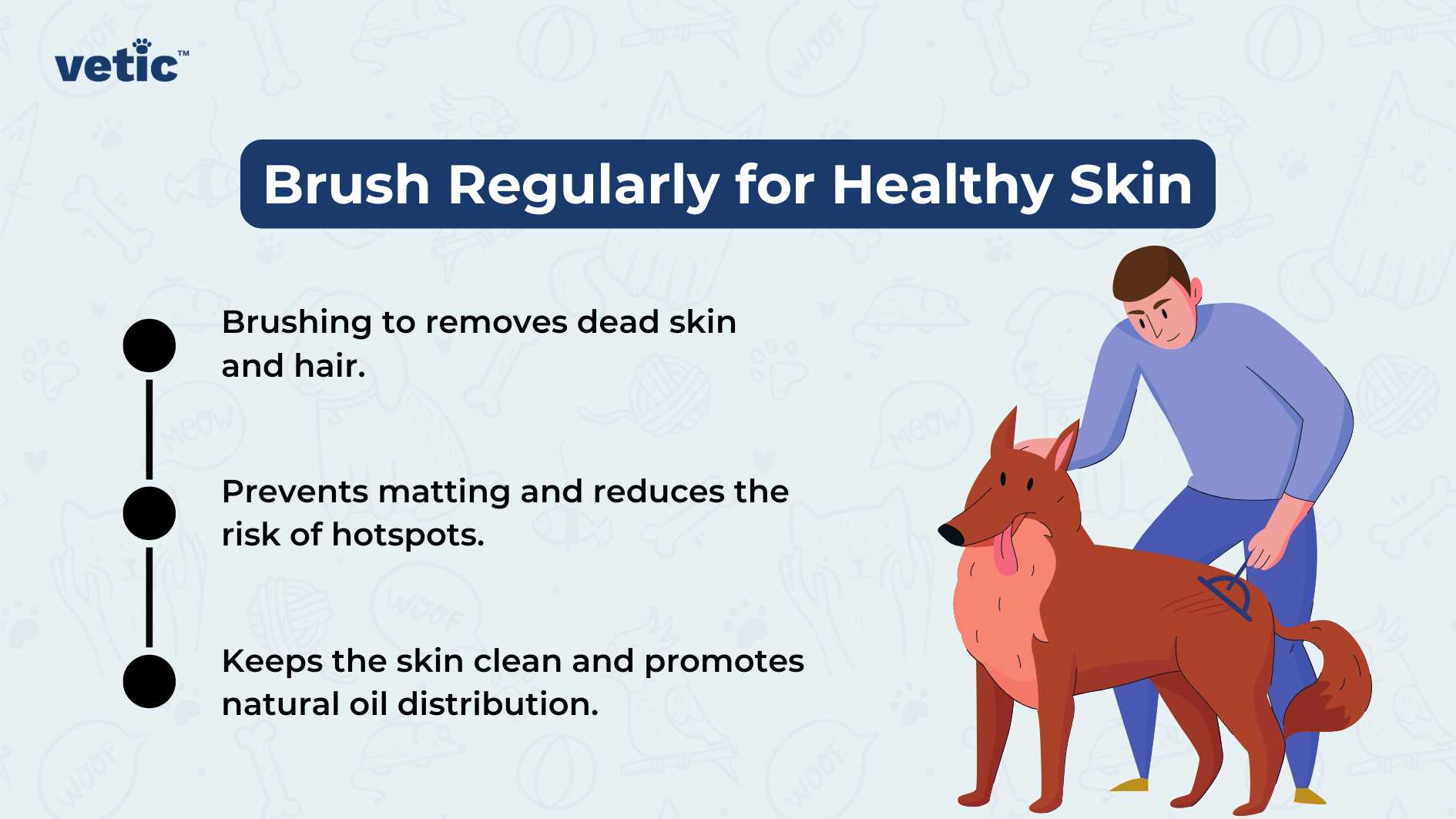
In terms of grooming frequency, it’s best to follow your veterinarian’s advice, but generally, shorter, more frequent sessions are beneficial. Regular brushing helps remove loose hair, dirt, and dander, which can irritate sensitive skin. Use soft-bristled brushes or grooming gloves designed specifically for sensitive skin, and avoid vigorous scrubbing. When trimming hair, be cautious around inflamed or broken skin, and consider postponing haircuts if the skin condition is severe or flaring up.
Cleaning your dog’s ears, paws, and genital areas during grooming is also crucial for maintaining skin health. Avoid over-washing; instead, focus on gentle cleansing of affected areas with vet-recommended products. After grooming, pat the skin dry with a soft towel—never rub aggressively. Incorporate additional steps such as applying prescribed topical treatments or medicated sprays as directed by your veterinarian. The goal is to support skin healing and prevent further irritation while keeping your dog comfortable.
Selecting Proper Grooming Products and Tools for Skin-Conditioned Dogs
Choosing the right grooming products and tools is critical for dogs with skin conditions. Many commercial shampoos contain harsh chemicals or artificial fragrances that can irritate sensitive skin, so opt for products formulated specifically for dogs with skin issues. Look for gentle, hypoallergenic, and medicated shampoos containing soothing ingredients like oatmeal, aloe vera, or ceramides. These ingredients help calm inflammation, hydrate dry skin, and promote healing.
Additionally, avoid using human hair or skin products, as they are not designed for canine skin pH levels and can cause further imbalance. When selecting grooming tools, prioritize soft brushes, fine-toothed combs, and grooming gloves to prevent scratching or damaging fragile skin. Stainless steel tools are generally more durable and hygienic, but always ensure they are clean and smooth to avoid causing micro-abrasions.
If your dog has open wounds or raw patches, consult your vet about specific tools or products suitable for their condition. Sometimes, special protective gear like cone-shaped grooming collars can prevent your dog from licking or biting at irritated areas during grooming. Remember, always test a new product on a small area first to monitor for adverse reactions. Properly selected products and gentle tools make all the difference in maintaining skin health during grooming sessions.
Techniques for Gentle Bathing and Skin Care During Grooming Sessions
Bathing is a crucial part of grooming for dogs with skin conditions, but it must be performed with care. Use lukewarm water—hot water can cause additional irritation—and avoid excessive scrubbing. Instead, gently massage the medicated or soothing shampoo into your dog’s coat, focusing on affected areas without causing discomfort. Allow the shampoo to sit for the recommended amount of time to maximize its therapeutic effects before rinsing thoroughly to remove all residues.
After bathing, pat your dog dry with a soft towel rather than rubbing aggressively. For dogs with raw or inflamed skin, consider using a blow dryer on a cool setting at a safe distance to avoid further irritation. During the drying process, inspect your dog’s skin for signs of infection, redness, or new irritations. Applying prescribed topical treatments or moisturizers immediately after bathing can aid in skin healing, but always follow your vet’s instructions.
In addition to bathing, incorporate gentle skin care routines such as applying soothing sprays, medicated wipes, or moisturizing balms as recommended by your veterinarian. These products help maintain hydration and reduce itching, which is especially helpful for dogs with eczema or allergic dermatitis. Keep your grooming sessions calm and positive, providing treats and praise to reinforce a stress-free experience that promotes skin healing.
Managing Discomfort and Avoiding Irritation During Dog Grooming
Managing your dog’s comfort during grooming is essential, particularly if they have skin hypersensitivity or pain. Recognize signs of discomfort such as trembling, growling, or trying to escape, and adjust your approach accordingly. If your dog shows significant distress, extend breaks between grooming stages and consider consulting a professional groomer experienced with skin-sensitive dogs. Patience and gentle handling foster trust and reduce anxiety, making future grooming sessions less stressful.
To prevent irritation, always use tools that are suitable for sensitive skin and avoid applying excessive pressure. Keep grooming sessions short and frequent rather than infrequent but lengthy sessions, reducing the likelihood of skin trauma. If your dog exhibits pain when touched or groomed, stop immediately and seek veterinary advice. For dogs with open wounds or raw patches, use protective coverings or bandages as recommended by your vet to prevent accidental injury during grooming.
Incorporating pain management strategies, such as administering prescribed medications before grooming or providing calming aids like pheromone sprays, can also help ease discomfort. Ensuring your dog is in a comfortable, familiar environment and maintaining a calm demeanor yourself will help create a positive grooming experience. The goal is to keep your dog comfortable, prevent further skin irritation, and make grooming a routine they can tolerate and even look forward to with time.
Regular Monitoring and Professional Support for Ongoing Skin Health Management
Consistent monitoring is vital for dogs with skin conditions to track their progress and adjust grooming routines as needed. Regularly examine your dog’s skin for signs of improvement or worsening, such as changes in redness, swelling, hair growth, or odor. Keeping a grooming journal can help document skin health trends and inform your veterinarian about what works best. Promptly addressing new or recurring issues prevents complications and promotes faster healing.
While home grooming is essential, professional support plays a significant role in managing skin conditions. Regular visits to a veterinarian or a professional groomer experienced with dermatological issues ensure your dog receives expert care. Veterinarians can provide specialized treatments, such as medicated baths, topical medications, or allergy testing, tailored to your dog’s needs. Professional groomers can also assist with trimming, bathing, and managing skin-sensitive areas more effectively and safely.
Educating yourself about your dog’s specific skin condition empowers you to implement the best grooming practices confidently. Engage with your vet to develop a comprehensive grooming and skincare plan that fits your dog’s unique needs. Consistent care, attentive monitoring, and professional guidance form the foundation for maintaining your dog’s skin health and ensuring that grooming remains a positive, healing experience.
Conclusion
Managing grooming for dogs with skin conditions requires patience, knowledge, and a gentle approach tailored to your dog’s specific needs. Understanding the nature of their skin issues helps you adopt safer grooming practices and select appropriate products and tools. Gentle bathing techniques and careful handling minimize discomfort and promote healing, while regular monitoring ensures ongoing skin health management. Remember, consulting with veterinary professionals provides invaluable support and customized treatment plans.
Grooming can be a stress-free, healing activity that strengthens your bond with your dog, especially when they are dealing with sensitive skin. By prioritizing your dog’s comfort and skin health, you can help them enjoy a happier, healthier life. Don’t hesitate to seek expert advice and keep learning about your dog’s skin condition—your efforts will pay off in their improved well-being and happiness.