


How to Manage Dog Shedding: Essential Tips for Pet Owners
Owning a dog brings unmatched joy, companionship, and fun. However, one of the most common challenges pet owners face is managing dog shedding. Shedding is a natural process where dogs lose old or damaged hair, but it can sometimes seem relentless, leading to fur all over your home, furniture, and clothes. Whether you have a short-haired Chihuahua or a long-haired Golden Retriever, understanding the causes of shedding and the best ways to manage it is essential for keeping your home clean and your dog healthy. In this article, we’ll explore effective grooming, nutrition, seasonal shedding tips, and the best tools to help you keep shedding under control.
Understanding Dog Shedding and Its Causes
Dog shedding is a normal part of the hair growth cycle, which includes phases of growth, rest, and shedding. However, the amount and pattern of shedding can vary widely depending on breed, health, age, and environmental factors. Some dogs shed year-round, while others shed heavily during specific seasons, especially spring and fall, to adapt to changing temperatures. Recognizing what influences shedding can help you better anticipate and manage it.
Environmental factors like climate and indoor heating or cooling also play a role. For example, dogs living in colder climates may shed more in the spring to prepare for warmer weather, whereas indoor heating can extend shedding periods. Additionally, health issues such as allergies, skin infections, hormonal imbalances, or poor nutrition can cause excessive shedding or patchy hair loss. Regular veterinary checkups are key to ruling out underlying health problems that could be contributing to abnormal shedding.
Breed-specific traits also determine shedding tendencies. Some breeds, like Poodles or Bichon Frises, are considered hypoallergenic because they shed very little, while others like Siberian Huskies or Labrador Retrievers shed profusely. Understanding your dog’s specific shedding pattern helps tailor your grooming and care routine for optimal results. Knowing the causes can demystify shedding and motivate you to adopt targeted strategies that promote healthy coat growth.
Effective Grooming Techniques to Reduce Shedding
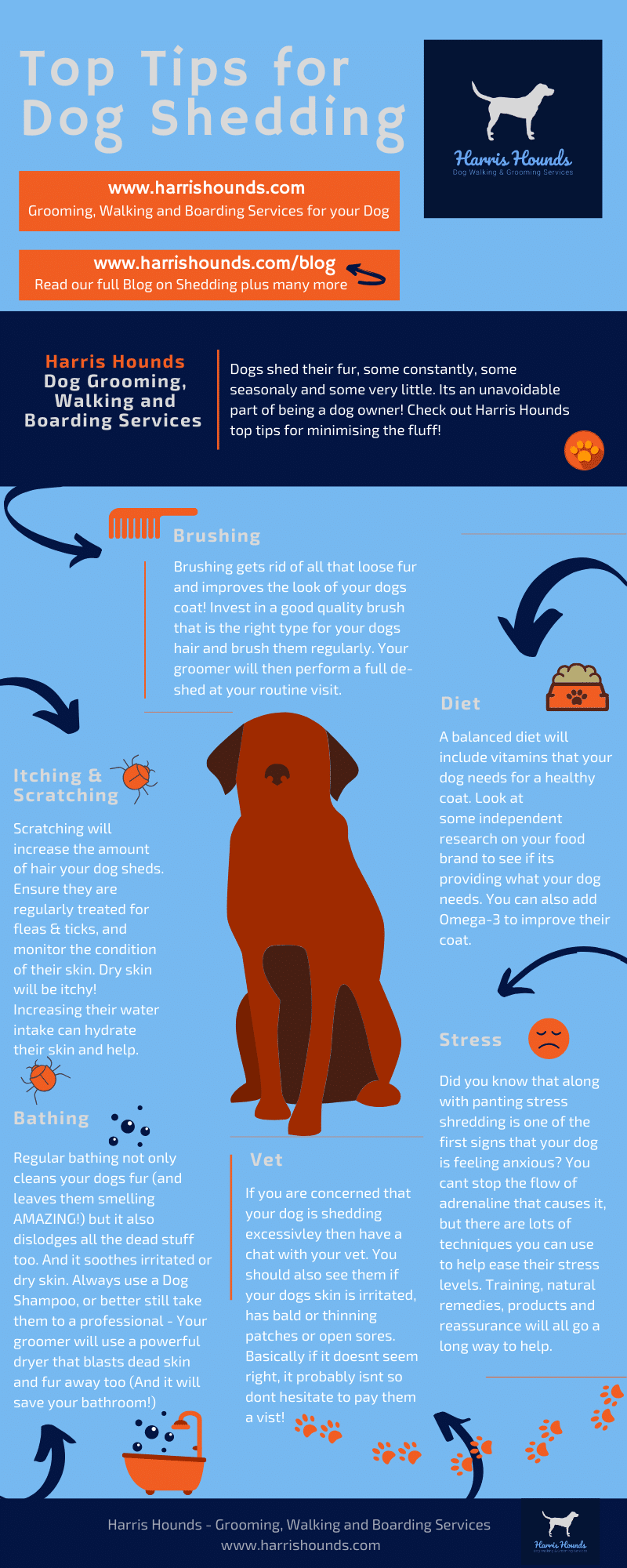
Regular grooming is one of the most effective ways to control dog shedding and keep your home cleaner. Brushing your dog frequently helps remove loose hair before it falls around your house, reducing the amount of fur shed onto furniture and clothing. For short-haired breeds, brushing once or twice a week might suffice, but long-haired or double-coated breeds benefit from daily grooming to prevent matting and excessive shedding.
Choosing the right grooming techniques is essential. Use appropriate brushes and combs designed for your dog’s coat type. Slicker brushes work well for removing loose undercoat and preventing mats, while bristle brushes can help distribute natural oils, promoting a healthy shine. During grooming, always be gentle, especially around sensitive areas like the face, ears, and belly. Regularly inspecting your dog’s skin during grooming sessions can also help detect early signs of skin infections, parasites, or allergies that might contribute to shedding.
Beyond brushing, bathing your dog with a suitable dog shampoo can help loosen and wash away loose fur. Some shampoos contain ingredients like oatmeal or aloe vera that soothe irritated skin and reduce shedding caused by dryness or allergies. Additionally, blow-drying with a pet-safe dryer can help remove loose fur from the coat, especially for long-haired breeds. Remember, over-grooming can sometimes irritate the skin, so find a balanced routine tailored to your dog’s needs. Proper grooming not only minimizes shedding but also keeps your dog comfortable and healthy.
Nutritional Strategies for a Healthier Coat and Less Shedding
Your dog’s diet plays a crucial role in the health of its coat and skin, directly influencing shedding. A balanced, nutrient-rich diet provides the essential fatty acids, vitamins, and minerals necessary for promoting a shiny, healthy coat and minimizing excessive shedding. Omega-3 and Omega-6 fatty acids, found in fish oils and certain dog foods, are particularly beneficial for reducing inflammation and supporting hair growth.
Choosing high-quality dog food with real meat, wholesome grains, and added healthful ingredients can make a noticeable difference. Look for foods that contain ingredients like fish oil, flaxseed, and vitamin E, which are known to improve coat quality. If your dog is a picky eater or has specific health needs, consulting your veterinarian for dietary recommendations or supplements can be beneficial. Sometimes, a simple change in diet can drastically reduce shedding caused by nutritional deficiencies.
In addition to diet, maintaining proper hydration is essential. Adequate water intake keeps the skin moisturized and prevents dryness and flakiness, which can lead to increased shedding. Be cautious of treats and human foods that may contain allergens or fillers that could exacerbate skin issues. Regularly monitoring your dog’s weight and overall health, along with providing a nutritious diet, supports a healthier coat and less shedding over the long term. Remember, a well-fed dog is not only happier but also sheds less due to healthier hair growth.
Managing Shedding Season: Tips for a Cleaner Home
Shedding tends to spike during seasonal transitions, especially in spring and fall, as dogs shed their winter or summer coats. During these times, pet owners need to implement targeted strategies to manage increased fur around the house. Start by adjusting your grooming routine—brushing daily becomes even more important to catch loose hair early. Consider bathing your dog more frequently during heavy shedding seasons to help remove loose hair and soothe the skin.
Vacuuming frequently is key to keeping your home fur-free. Use high-quality vacuum cleaners with HEPA filters designed for pet hair, and consider using a handheld or upholstery attachment to clean furniture and car seats effectively. Regularly washing your dog’s bedding, blankets, and plush toys also helps eliminate fur and dander. Additionally, using lint rollers or rubber gloves can quickly pick up loose hair from clothing and furniture, making cleaning more manageable.
Setting up designated grooming and shedding zones can help contain fur where it’s easiest to clean. For example, placing a washable mat or rug in your dog’s favorite resting area can trap fur and make cleanup easier. Consider investing in air purifiers to reduce dander and fur particles floating in the air, improving indoor air quality. Planning ahead and adopting a proactive approach during shedding seasons can minimize fur buildup and keep your home cleaner and more comfortable for everyone.
Choosing the Right Tools and Products for Shedding Control
Having the right tools can make managing dog shedding much easier and more effective. Investing in high-quality brushes suited for your dog’s coat type is a game-changer. For double-coated breeds, undercoat rakes or de-shedding tools like the Furminator are excellent for removing loose hair from beneath the topcoat. Short-haired breeds benefit from bristle or rubber grooming gloves, which help remove surface hair while massaging the skin.
Specialized grooming products can also aid in reducing shedding. Look for shampoos formulated to strengthen hair and nourish the skin—products containing oatmeal, aloe vera, or tea tree oil are popular options. Additionally, deshedding sprays or conditioners can loosen loose fur and make brushing more effective. Keep in mind that overuse of certain products can irritate sensitive skin, so always follow the manufacturer’s instructions and consult your vet if unsure.
The importance of choosing the right tools extends beyond grooming brushes and shampoos. Consider investing in a good vacuum designed for pet hair, as well as lint rollers and pet hair removers for clothes and furniture. Air purifiers equipped with HEPA filters are also a smart addition to reduce airborne fur and dander, especially for allergy sufferers. Properly selecting and maintaining these tools ensures you’re equipped to manage shedding efficiently, keeping your home cleaner and your dog happier.
Conclusion
Managing dog shedding is a multifaceted process that involves understanding your dog’s specific needs, adopting effective grooming routines, ensuring proper nutrition, and maintaining a clean living environment. Regular brushing, appropriate bathing, and using the right tools can significantly reduce loose fur around your home. Simultaneously, feeding your dog a balanced diet rich in essential fatty acids and nutrients supports a healthy coat and minimizes excessive shedding caused by nutritional deficiencies.
Seasonal shedding requires proactive measures, such as increased grooming and frequent cleaning, to keep fur from overwhelming your space. Choosing the right grooming products and tools tailored to your dog’s coat type can make the task easier and more effective. Remember, shedding is a natural part of your dog’s life and health, but with proper care, you can manage it efficiently and enjoy a fur-free home.
By implementing these tips, you’ll foster a healthier coat for your dog and create a more comfortable, cleaner environment for your family. Shedding may never be completely eliminated, but with patience and consistent routines, you can keep it well under control. So, grab your brushes, stock up on good grooming products, and enjoy the process of caring for your furry friend!