
How to Manage Fur Discoloration in Dogs: Essential Grooming Tips
When you see your beloved dog’s coat losing its vibrant hue or developing unusual discoloration, it can be concerning. Fur discoloration isn’t just an aesthetic issue—it can sometimes signal underlying health concerns or nutritional deficiencies. As pet owners, understanding how to manage and prevent fur discoloration is key to maintaining your dog’s overall health and happiness. This article walks you through the causes of fur discoloration, signs to watch for, effective grooming techniques, suitable products, and preventative measures so your furry friend can sport a shiny, healthy coat.
Understanding Fur Discoloration in Dogs and Its Causes
Fur discoloration in dogs can manifest as dull, faded, or uneven coat coloring, often turning lighter, darker, or developing patches of different shades. Understanding the causes behind these changes is essential for effective management. Many factors contribute to fur discoloration, ranging from environmental influences to health-related issues.
One common cause is age-related changes. As dogs grow older, their coat may naturally fade or change color due to the aging process, much like humans experience graying hair. This is often harmless but can sometimes be accentuated by other factors such as reduced nutrient absorption or hormonal shifts.
Environmental factors also play a significant role. For example, prolonged exposure to sunlight can cause fur to bleach or fade, especially in dogs with lighter coats. Outdoor dogs are particularly susceptible to this type of discoloration due to UV rays breaking down the pigmentation in their fur. Similarly, environmental pollutants like dirt, dust, and chemicals can stain the coat, leading to dull or uneven coloration that requires proper grooming to manage.
Furthermore, health issues such as skin infections, allergies, or hormonal imbalances can cause discoloration. Conditions like yeast infections or dermatitis often lead to darkened or discolored patches on the fur, accompanied by itching or inflammation. Nutritional deficiencies, especially lack of essential fatty acids or vitamins, can also cause dull, brittle, or uneven fur pigmentation. In some cases, medication side effects might alter the coat’s color temporarily or permanently.
Identifying Common Signs of Fur Discoloration and When to Seek Veterinary Advice
Recognizing the signs of fur discoloration early can make a big difference in effectively addressing the issue. Typical signs include a dull or faded coat, uneven patches, darkened areas, or strange staining that doesn’t improve with basic grooming. Sometimes, discoloration is accompanied by other symptoms like excessive scratching, hair loss, skin irritation, or foul odor, which may indicate underlying health problems needing veterinary attention.
If you notice a sudden or persistent change in your dog’s fur color—especially if it’s accompanied by skin abnormalities like redness, swelling, or lesions—it’s essential to consult your veterinarian. Discoloration caused by infections or allergies requires professional diagnosis and targeted treatment. For example, yeast infections often cause a dark, greasy appearance on the skin, while allergic dermatitis may lead to patchy hair loss and discoloration.
In cases where the discoloration appears to be age-related or due to environmental factors, you might see gradual fading without other concerning symptoms. However, if discoloration coincides with behavioral changes such as increased scratching, licking, or discomfort, seek veterinary advice promptly. Additionally, abrupt discoloration paired with symptoms like loss of appetite, lethargy, or weight changes could indicate systemic health issues that need urgent attention.
Monitoring your dog’s overall health, coat condition, and behavior can help you distinguish between benign changes and signs of more serious problems. Regular grooming and check-ups are invaluable tools to catch discoloration early, ensuring your dog remains comfortable and healthy.
Effective Grooming Techniques to Address Fur Discoloration at Home
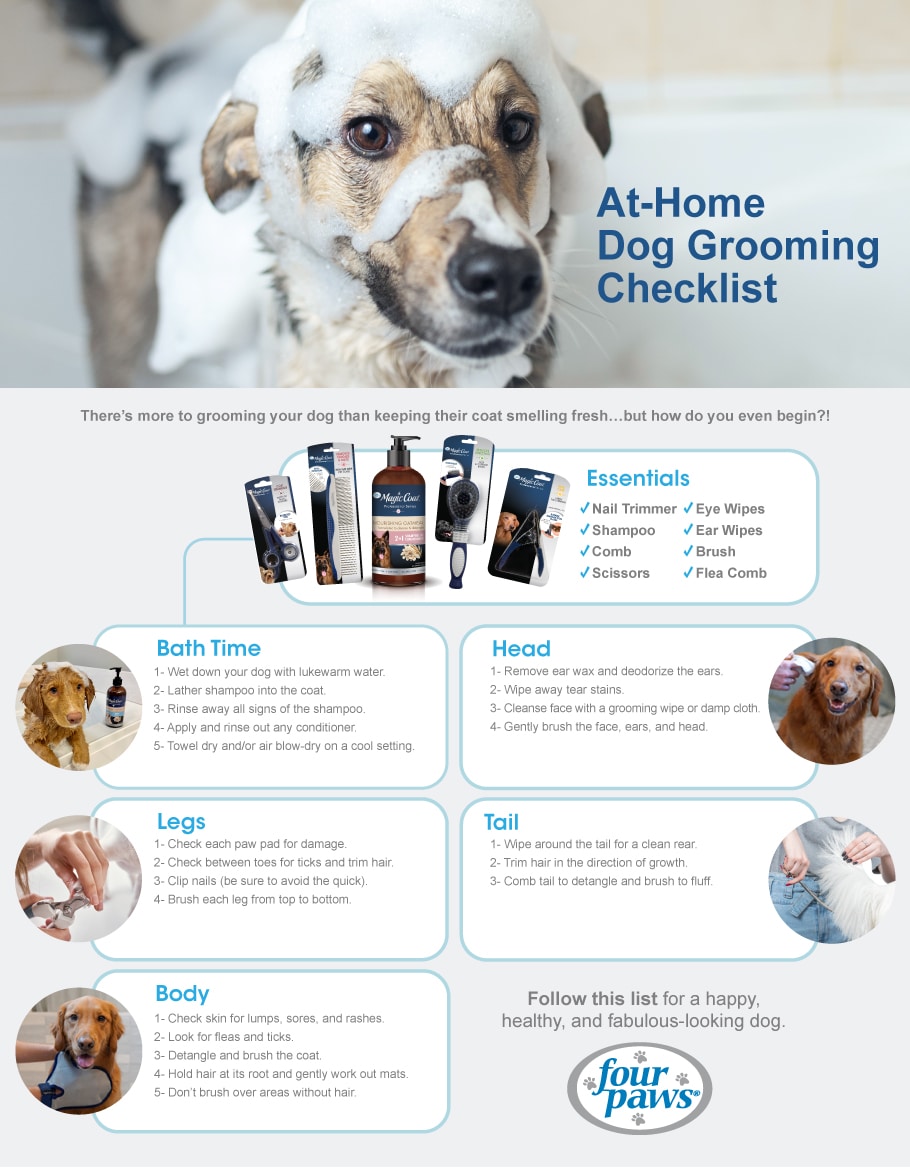
Proper grooming is your first line of defense against fur discoloration. Regular brushing helps remove dirt, debris, and dead fur, which can accumulate and cause dullness or uneven coloration. Using the right brushes and techniques tailored to your dog’s coat type can significantly improve its appearance and health.
A gentle, consistent brushing routine—ideally daily or several times a week—can stimulate healthy circulation and distribute natural oils throughout the coat, enhancing shine and color vibrancy. For dogs with long or thick fur, using a slicker brush or a dematting comb can help prevent matting and remove trapped dirt or staining substances. Short-haired breeds benefit from regular brushing with soft-bristle brushes to maintain cleanliness and luster.
Bathing is another critical aspect of managing fur discoloration. Use dog-specific shampoos formulated to enhance coat color and brightness, especially those containing natural ingredients like oatmeal, aloe vera, or vitamin E. Be cautious not to over-bathe, as frequent washing can strip natural oils, leading to dryness and dullness. When bathing, massage the shampoo thoroughly into the coat, paying attention to areas with staining or discoloration, then rinse well to remove all residues.
In addition to regular grooming, consider using conditioning rinses or coat brightening sprays that can help restore vibrancy. Always ensure the products are safe for dogs and suited to their skin type. After grooming, drying the coat thoroughly prevents moisture buildup that can promote skin infections, which may worsen discoloration. Proper grooming not only improves the appearance but also promotes healthier skin and fur, making discoloration easier to manage.
Choosing the Right Products and Treatments for Restoring Fur Color
Selecting the appropriate grooming products is crucial in managing and reversing fur discoloration. Look for shampoos and conditioners specifically designed for color enhancement and coat brightening. Many commercial products include natural brightening agents like berry extracts, chamomile, or vitamin E, which can gently boost your dog’s coat color without harsh chemicals.
For dogs with stubborn stains or discoloration caused by environmental factors, specialized products like stain removers or enzymatic cleaners can be helpful. These products are formulated to break down dirt and pigmentation that accumulate on the fur, especially around the paws, muzzle, or chest. Always test new products on a small area first to check for any allergic reactions or irritation.
In cases where discoloration stems from health issues, topical treatments prescribed by a veterinarian might be necessary. For example, medicated shampoos or topical ointments for skin infections or allergies can help resolve underlying causes, allowing the coat to regain its natural color. Supplements such as omega-3 fatty acids or biotin, recommended by your vet, may also promote healthier, more vibrant fur from within.
Lastly, consider natural remedies and dietary adjustments that support coat health. Ensuring your dog’s diet includes high-quality proteins, essential fatty acids, and vitamins fosters a shiny, colorful coat. Always choose products backed by reputable brands and consult with your veterinarian before starting any new treatments to ensure they’re safe and appropriate for your dog’s specific needs.
Preventive Measures to Maintain Vibrant and Healthy Dog Fur
Prevention is always better than cure, especially when it comes to maintaining a vibrant, healthy coat. Regular grooming, as discussed earlier, plays a vital role in preventing dirt, stains, and environmental damage from dulling your dog’s fur. Establishing a consistent routine that includes brushing, bathing, and coat checks helps catch early signs of discoloration or skin issues before they worsen.
Protection from environmental factors is another key preventive step. Limiting your dog’s sun exposure during peak hours, especially for breeds with light-colored coats, can prevent UV-induced bleaching. Using dog-safe sun shields or protective clothing during outdoor activities can also help preserve coat pigmentation. Additionally, ensuring your dog’s living environment is clean and free from pollutants minimizes the risk of staining or skin irritation that causes discoloration.
Nutrition also has a profound impact on coat health. Providing a balanced diet rich in omega-3 and omega-6 fatty acids, vitamins A, E, and biotin can significantly enhance fur vibrancy and resilience. Regular veterinary check-ups can help identify deficiencies or health issues early on, allowing for timely interventions. Hydration is equally important—make sure your dog has constant access to fresh water, as dehydration can lead to dull, brittle fur.
Finally, maintaining overall skin health through routine health care, parasite prevention, and prompt treatment of any skin conditions will contribute to a consistently vibrant coat. When your dog’s fur is well cared for, it reflects their inner health and vitality, giving your furry friend a beautiful, shiny appearance that you can both be proud of.
Conclusion
Managing fur discoloration in dogs involves a combination of understanding its causes, early identification of signs, diligent grooming, and the right products. By addressing environmental, nutritional, and health factors, you can significantly improve your dog’s coat appearance and health. Regular grooming routines, choosing suitable shampoos and treatments, and taking preventive measures will help maintain that vibrant, glossy coat that makes your dog look and feel their best. Remember, a healthy, well-cared-for coat is a reflection of your dog’s overall well-being—so stay attentive and proactive in their grooming and health care. With patience and the right approach, you can keep your furry friend looking bright, fresh, and happy for years to come.