


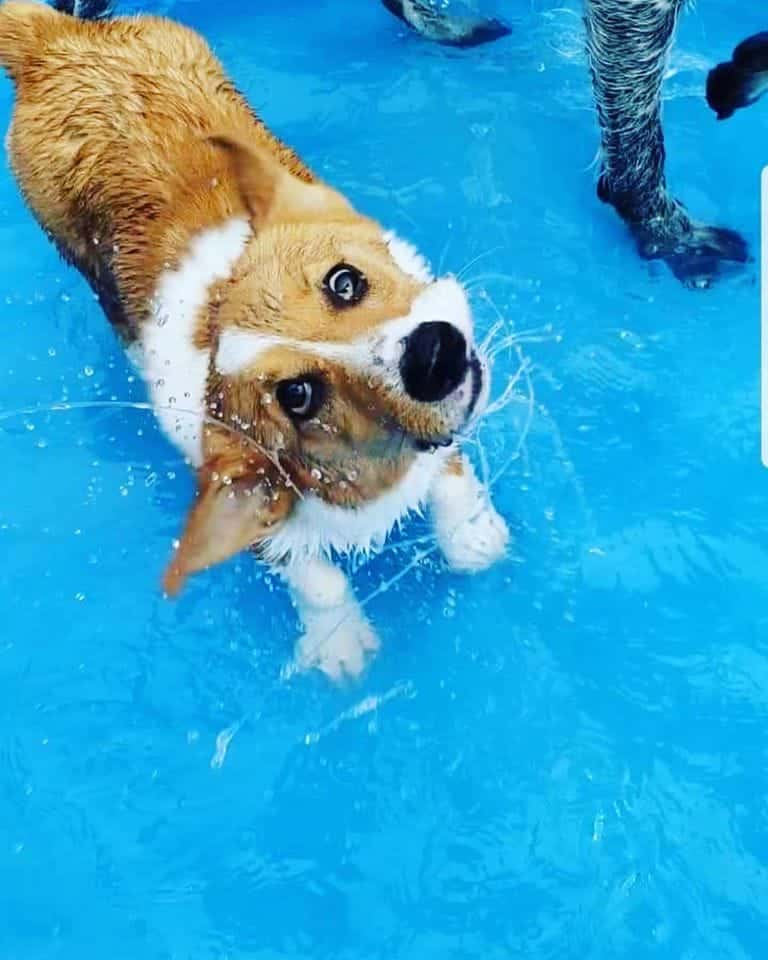
How to Minimize Water Splashing During Dog Baths: Simple Tips for a Cleaner Experience
Bathing your dog can sometimes feel like a splash zone—water flying everywhere, making the experience less enjoyable for both you and your furry friend. Whether your pup is hesitant, playful, or just loves to shake off after a bath, water splashing can turn a simple grooming task into a messy ordeal. But don’t worry! With a few practical strategies, you can keep water where it belongs—on your dog and in the bathtub—creating a cleaner, calmer, and more comfortable bathing experience. This guide explores how to minimize water splashing during dog baths by focusing on environment setup, bathing techniques, and helpful tools.
Choosing the Right Bathing Area and Equipment for Water Splash Control
The first step toward a splash-free dog bath is selecting the perfect location and equipment designed to reduce water spray. A dedicated bathing space, like a walk-in shower or a deep utility tub, is ideal because it allows you to contain water effectively and provides easy access for gentle washing. If space is limited, consider investing in a portable dog bathtub or a bathing station with high sides, which helps prevent water from splashing out onto the floor and surrounding areas.
Equipment choice also plays a vital role. Using a handheld showerhead with a gentle spray setting gives you more control over water flow, reducing the force that causes splashing. Opt for a non-slip mat inside the bathing area to prevent your dog from slipping and thrashing, which can lead to more water spray. Additionally, selecting a basin or tub with smooth, high sides helps contain splashes and minimizes water escaping during the bath.
Proper drainage and water containment are crucial. Ensure your bathing area has a reliable drain and consider placing a waterproof mat or towel underneath to catch splashes. For outdoor baths, setting up a portable tub with raised edges can help contain water and make cleanup easier. Remember, the right environment and equipment not only control splashing but also make the entire bathing process safer and more comfortable for your dog.
Preparing Your Dog and Environment to Reduce Splashing During Baths
Preparation is key to minimizing water splashes and creating a smooth bathing experience. Before starting the bath, brush your dog thoroughly to remove loose fur and mats. A well-groomed coat is less likely to trap excessive water, which can lead to unpredictable movements and splashing. Plus, a calm, relaxed dog is less prone to abrupt movements that cause water to fly everywhere.
Familiarize your dog with the bathing environment beforehand. Let them sniff and explore the area, and use positive reinforcement, such as treats and praise, to reduce anxiety. When your dog feels comfortable, they’re less likely to thrash or shake excessively during the bath, significantly reducing water splashing. Additionally, keep the bathing area quiet and free of distractions to promote a calm atmosphere.
Adjust the water temperature and pressure to your dog’s comfort level. Lukewarm water (around 90-100°F) is ideal, as it’s soothing and prevents sudden movements caused by discomfort. Using a low-pressure spray reduces the force of water hitting your dog, decreasing splashing. Also, keep towels or a waterproof cover nearby to quickly dry or cover parts of your dog if they start to shake or wiggle during the bath. Proper preparation sets the stage for a cleaner, less chaotic experience.
Techniques for Gentle and Effective Bathing to Minimize Water Spray
The way you bathe your dog plays a significant role in controlling water splashes. Start by wetting your dog gradually, beginning from the legs and working your way up to avoid excessive water hitting the face or sensitive areas. Use a cup or a gentle spray at a low setting to control water flow precisely, which helps prevent water from splashing out of the tub or onto surrounding surfaces.
Use a calm, steady motion when applying shampoo and rinsing. Avoid vigorous scrubbing, as it can cause your dog to thrash or shake, leading to splashes. Instead, go slow and be gentle, focusing on small sections at a time. Rinsing thoroughly but carefully ensures no residue remains, reducing the likelihood of your dog shaking or splashing to get rid of leftover soap.
Encourage your dog to remain still during the bath. You can do this by offering treats, praise, or toys as positive reinforcement. If your dog tends to shake or wiggle, consider wrapping them in a towel or bathing in a way that minimizes their movement. When your dog feels secure and relaxed, they’re less likely to splash water around, making the process cleaner and more efficient for everyone involved.
Using Bath Accessories and Tools to Contain Water During Dog Baths
Utilizing the right accessories can dramatically reduce water splashing during dog baths. A bathing apron or waterproof barrier around the bathing area can prevent water from splashing onto floors and walls. These barriers are especially useful if you’re bathing your dog in a more open or multi-purpose space. Additionally, a handheld showerhead with a flexible hose allows precise control over water flow, making it easier to rinse without creating a spray mess.
Specialized bathing tools like bathing mats with raised edges or splash guards are designed to contain water within the bathing area. These can be placed around the tub or shower to serve as a physical barrier to water escaping. For dogs that tend to shake vigorously, consider using a dog bathing sling or harness that keeps them secure and minimizes movement, reducing water splashing caused by sudden thrashes.
Drying tools and absorbent towels also help manage residual splashes after the bath. Using a high-velocity dryer with a gentle setting can dry your dog quickly, reducing the need for them to shake off water in the home. Keep cleaning supplies and mop tools handy to quickly clean up any splashes or spills that do occur, maintaining a tidy and safe environment.
Post-Bath Drying and Clean-Up Tips to Manage Residual Water and Splashing
Once the bath is over, your work to minimize splashes doesn’t stop. Proper drying is essential to prevent your dog from shaking off water elsewhere, which can cause splashes in unintended areas. Use a microfiber towel or a professional pet dryer on a low, gentle setting to thoroughly dry your dog, especially around the face and ears. This not only minimizes water drips but also keeps your pet comfortable and reduces the chance of water bouncing and splashing during subsequent shake-offs.
Carefully clean the bathing area after each use. Wipe down surfaces, drain any excess water, and mop the floor to remove residual splashes. Keeping your bathing space tidy prevents slips and maintains a hygienic environment. If water has splashed outside the designated area, use absorbent towels or sponges to soak up excess moisture promptly.
Encourage your dog to shake outside or in a designated area after drying to avoid water splashes inside the house. Using a waterproof cover or mat can also catch water that’s shaken off, making cleanup easier. Regularly inspecting your bathing setup and making adjustments based on your dog’s behavior can help improve the process over time, turning it into a cleaner, less stressful routine.
Conclusion
Bathing your dog doesn’t have to be a chaotic water splashing contest. By thoughtfully choosing the right bathing environment and equipment, preparing your dog and surroundings, employing gentle bathing techniques, utilizing specialized tools, and managing post-bath cleanup, you can significantly reduce water spray and create a more pleasant experience for everyone. Remember, patience and consistency are key—over time, your dog will become more comfortable with the process, and bath time will be smoother, cleaner, and more enjoyable for both of you. Take these tips to heart, and turn bathing from a splash zone into a calm, controlled routine that keeps your home dry and your dog happy!