


How to Prepare Your Dog for a Professional Bath: Tips for a Stress-Free Experience
Giving your dog a professional bath can be a game-changer for their health, hygiene, and overall happiness. But for many dogs, the thought of a bath can be stressful or overwhelming, especially if they haven’t been introduced to grooming routines early on. Proper preparation not only makes the process smoother but also helps your furry friend associate bath time with positive experiences. Whether you’re preparing for a visit to the groomer or planning to bathe your dog at home, understanding how to get your dog ready is key to ensuring a calm, stress-free, and effective grooming session.
In this article, we’ll walk through step-by-step how to prepare your dog for a professional bath, from assessing their comfort level and creating a welcoming environment, to gathering supplies, building positive associations, and executing the bathing process with care. Follow these tips to make bath time a more enjoyable experience for both you and your pup!
Assessing Your Dog’s Comfort and Preparing the Bath Environment
Before diving into the bathing process, it’s crucial to evaluate your dog’s current comfort level with water and grooming routines. Some dogs are naturally more tolerant of baths, while others may be anxious or even fearful. Take note of how your dog reacts to different grooming activities—do they shy away from water, tremble at the sight of the tub, or show signs of stress such as panting or whining? Understanding their baseline will help you tailor your approach accordingly.
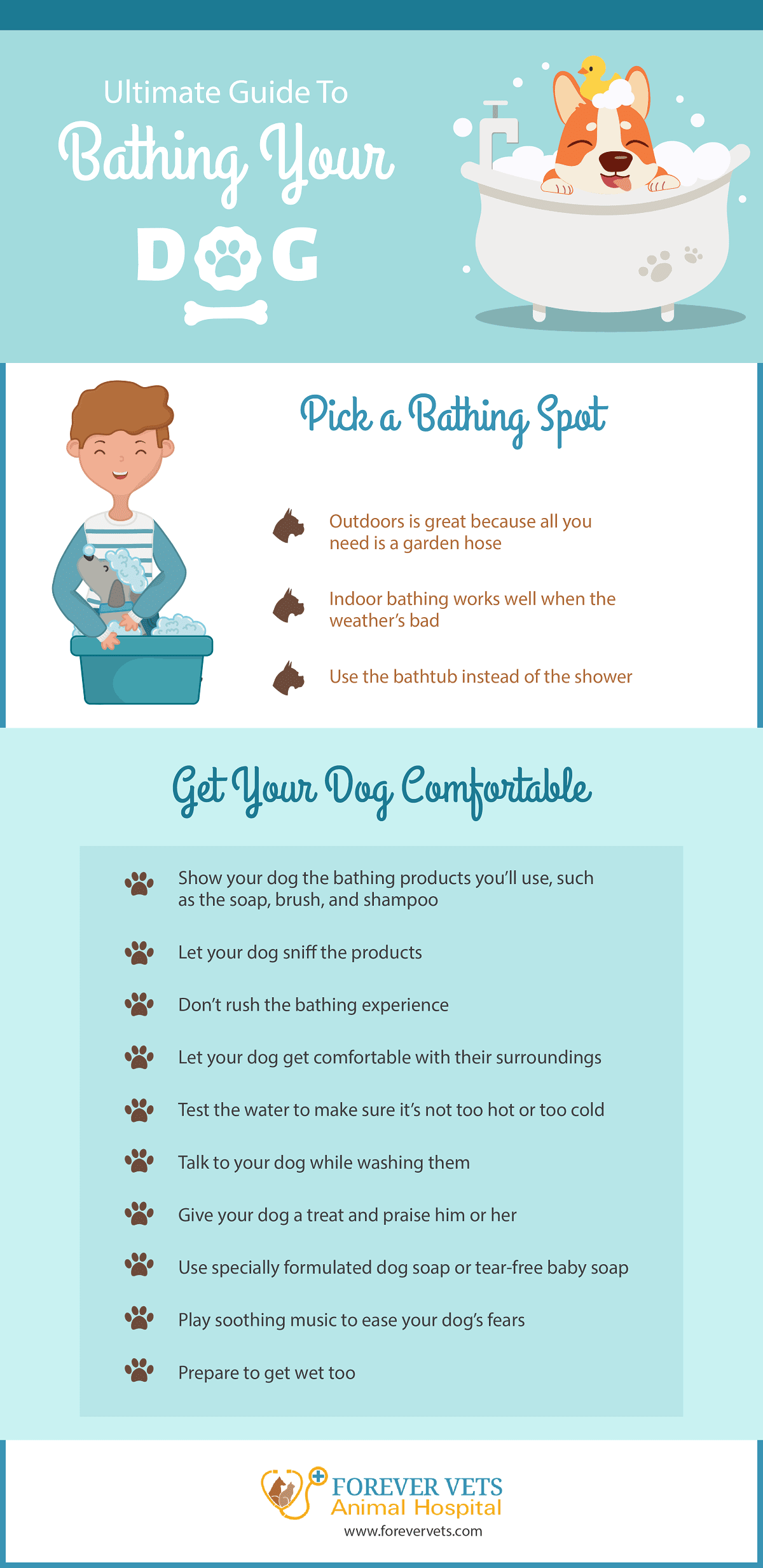
Creating a calm, inviting bath environment can significantly reduce your dog’s stress. Choose a quiet space free from distractions, where you can maintain a soothing tone throughout the process. Consider placing a non-slip mat inside the tub or sink to prevent slipping, which can be a major source of anxiety for dogs. Dim the lights if your space feels overly bright and keep the temperature warm but not hot—both for comfort and safety. Having everything ready beforehand minimizes sudden movements or noise that might startle your dog mid-bath.
It’s also helpful to plan the timing of the bath. Avoid bathing your dog immediately after vigorous play or feeding, as they may be more excitable or uncomfortable. Instead, pick a time when your dog is calm and relaxed, making them more receptive to grooming. Regularly handling your dog’s paws, ears, and mouth outside of bath time can also help assess their comfort and build trust, making the whole process smoother when it’s finally time for the professional bath.
Gathering Essential Bathing Supplies and Setting Up Safety Measures
Preparation starts long before your dog steps into the water. Having all the necessary supplies within arm’s reach ensures a seamless experience and prevents unnecessary stress or accidents. Essential items include a gentle dog-specific shampoo, a conditioner if needed, a rinsing cup or sprayer, a towel or drying cloth, and a brush suited to your dog’s coat type. Consider using tear-free, hypoallergenic shampoos if your dog has sensitive skin, and always follow the manufacturer’s instructions.
Safety measures are critical to prevent slips, injuries, or discomfort during the bath. Use a non-slip mat in the bathing area to give your dog confidence when standing. Keep the water at a comfortable temperature—lukewarm is ideal for most dogs—and test it with your wrist or elbow beforehand. Avoid spraying water directly into your dog’s ears or eyes, and consider using a gentle, adjustable sprayer to control water flow. If your dog is particularly anxious or has health issues, consider using a harness or leash to keep them secure without causing discomfort.
Additionally, preparing a calming element can help ease your dog’s nerves. Items like a favorite toy, treats, or calming sprays can be introduced beforehand to foster positive associations. Having a blow dryer on a low, cool setting, along with brushes and grooming tools, ready for after the bath, ensures you’re not scrambling to find supplies mid-process. The goal is to create a safe, controlled environment where your dog feels secure and cared for.
Introducing Your Dog to Bathing Procedures and Building Positive Associations
Building positive associations with bath time is one of the most effective ways to prepare your dog for a professional grooming session. Begin by familiarizing your dog with the sounds, sights, and sensations associated with bathing in a non-threatening way. For example, you can turn on the water faucet or sprayer without using it, allowing your dog to sniff and explore at their own pace. Reward calm behavior with treats and praise to reinforce that these activities are safe and even enjoyable.
Gradually introduce your dog to the bathing area without actually getting them wet. Let them explore the tub or sink, and offer treats or playtime nearby. This helps reduce the novelty or fear of the space itself. If your dog is hesitant about water, start with short, positive experiences—perhaps a damp cloth or gentle spray—so they get used to the sensation gradually. Over time, slowly increase the exposure, always rewarding calm and cooperative behavior.
Consistency and patience are key. Make bath time a routine, but never force your dog into the tub if they’re overly stressed. Instead, take small steps, praising their bravery and offering treats or toys to encourage a positive attitude. This process transforms bath time from a fearful ordeal into a trust-building activity, paving the way for smoother professional grooming sessions in the future.
Brushing and Pre-Wash Grooming to Ensure a Thorough and Comfortable Bath
Before the water even touches your dog, thorough brushing is essential. Brushing helps remove loose hair, dirt, and mats that can trap water and make bathing uncomfortable or ineffective. It also stimulates the skin and distributes natural oils, contributing to a healthier coat. For dogs with long or thick fur, detangling knots prior to bathing prevents painful pulling and ensures the shampoo penetrates evenly.
In addition to grooming, pre-wash cleaning such as wiping the face, ears, and paws can help make the entire process more comfortable. Use a damp cloth or specialized wipes to gently clean sensitive areas, which also helps reduce the amount of dirt and debris that could cause irritation or infections during the bath. This step is especially beneficial for dogs that are anxious about water—focusing on areas they’re comfortable with can make the overall experience less stressful.
Timing your brushing and pre-wash routine just before the bath maximizes effectiveness and comfort. It prepares your dog’s coat for shampooing and ensures the bathing process is more efficient. Remember to use gentle, dog-specific grooming tools and keep the session calm and positive. This not only improves the quality of the bath but also reinforces good grooming habits and trust between you and your dog.
Executing the Professional Dog Bath: Step-by-Step Care and Techniques
When it’s time for the actual bath, approach with confidence and a gentle touch. Start by placing your dog in the prepared bathing environment, using treats or praise to keep their mood positive. Wet your dog gradually, beginning with their legs and body, ensuring the water is lukewarm and flowing gently. Avoid pouring water directly over the head, especially the ears and eyes, to prevent discomfort or water ingress.
Apply a dog-specific shampoo, lathering gently and thoroughly, paying special attention to areas prone to dirt or odor—such as the paws, underbelly, and around the neck. Work from the neck down and ensure you rinse completely to remove all soap residue, which can cause irritation or itchiness. If your dog has thick or curly fur, consider a second shampooing or using a conditioner to help detangle and add shine. Always be mindful of your dog’s responses, taking breaks if needed to keep them calm.
After rinsing, carefully dry your dog with a towel, blotting gently to remove excess water. For dogs comfortable with blow-drying, use a low, cool setting, keeping the dryer moving constantly to prevent hot spots or burns. Be sure to dry the ears, paws, and between the toes thoroughly. During the drying process, continue to praise and offer treats to foster a positive experience. Finish with a gentle brushing to smooth the coat and remove any remaining loose hairs, leaving your dog looking and feeling fresh.
In Conclusion
Preparing your dog for a professional bath is all about creating a positive, safe, and calm environment, understanding their unique needs, and building trust through gentle handling and rewards. Starting by assessing their comfort level and setting up a suitable space ensures the process begins on the right foot. Gathering the necessary supplies and implementing safety measures protect your dog and make the experience smoother. Introducing your dog gradually to bathing routines and associating them with positive reinforcement helps reduce anxiety and resistance.
Thorough pre-wash grooming and careful execution during the bath ensure the best results and a more comfortable experience. Remember, patience and consistency are key—your dog will learn to enjoy or at least tolerate bath time, especially when they feel secure and loved. By following these tips, you’ll not only make the bathing process stress-free but also strengthen the bond between you and your furry friend, making grooming a highlight rather than a hassle.