


How to Prevent Bath-Time Accidents with Nervous Dogs: Tips & Safety Guides
Bath time can be a stressful experience for many dogs, especially those who are naturally nervous or anxious. For pet owners, seeing their furry friends struggle or panic during baths can be heartbreaking and, at times, dangerous. Nervous dogs may try to escape, bark excessively, or even injure themselves out of fear, increasing the risk of accidents. But with the right preparation, gentle techniques, and understanding, you can transform bath time into a safe, positive experience for your anxious dog.
This article offers a comprehensive guide on preventing bath-time accidents with nervous dogs, covering key strategies from understanding their behavior to creating a calming environment. Whether your dog is mildly uneasy or extremely fearful, these tips aim to reduce anxiety, promote safety, and help you build a trusting, stress-free bathing routine.
Understanding Why Nervous Dogs Struggle During Bath Time
Many dogs experience fear or anxiety when it comes to bath time, and understanding the root causes can be the first step toward easing their distress. Nervous behaviors often stem from a combination of past negative experiences, natural temperament, or unfamiliar environments. Dogs who have had traumatic or rough bathing experiences may associate baths with discomfort, leading to heightened anxiety during future attempts.
Furthermore, dogs are highly sensitive to their environment and human cues. Loud noises, sudden movements, or unfamiliar equipment like sprays and hoses can trigger panic responses. Some breeds or individual dogs are more predisposed to anxiety due to their personality or prior socialization experiences. Recognizing these factors helps owners approach bath times with more empathy and tailored strategies.
It’s also common for nervous dogs to feel vulnerable when they are physically restrained or confined in tubs, which can make them feel trapped or powerless. Understanding that your dog’s behavior is driven by fear—rather than stubbornness or defiance—is crucial. This knowledge encourages a gentle, patient approach and highlights the importance of gradual desensitization to reduce these fears over time.
Preparing Your Environment and Supplies for a Calm Bath Experience
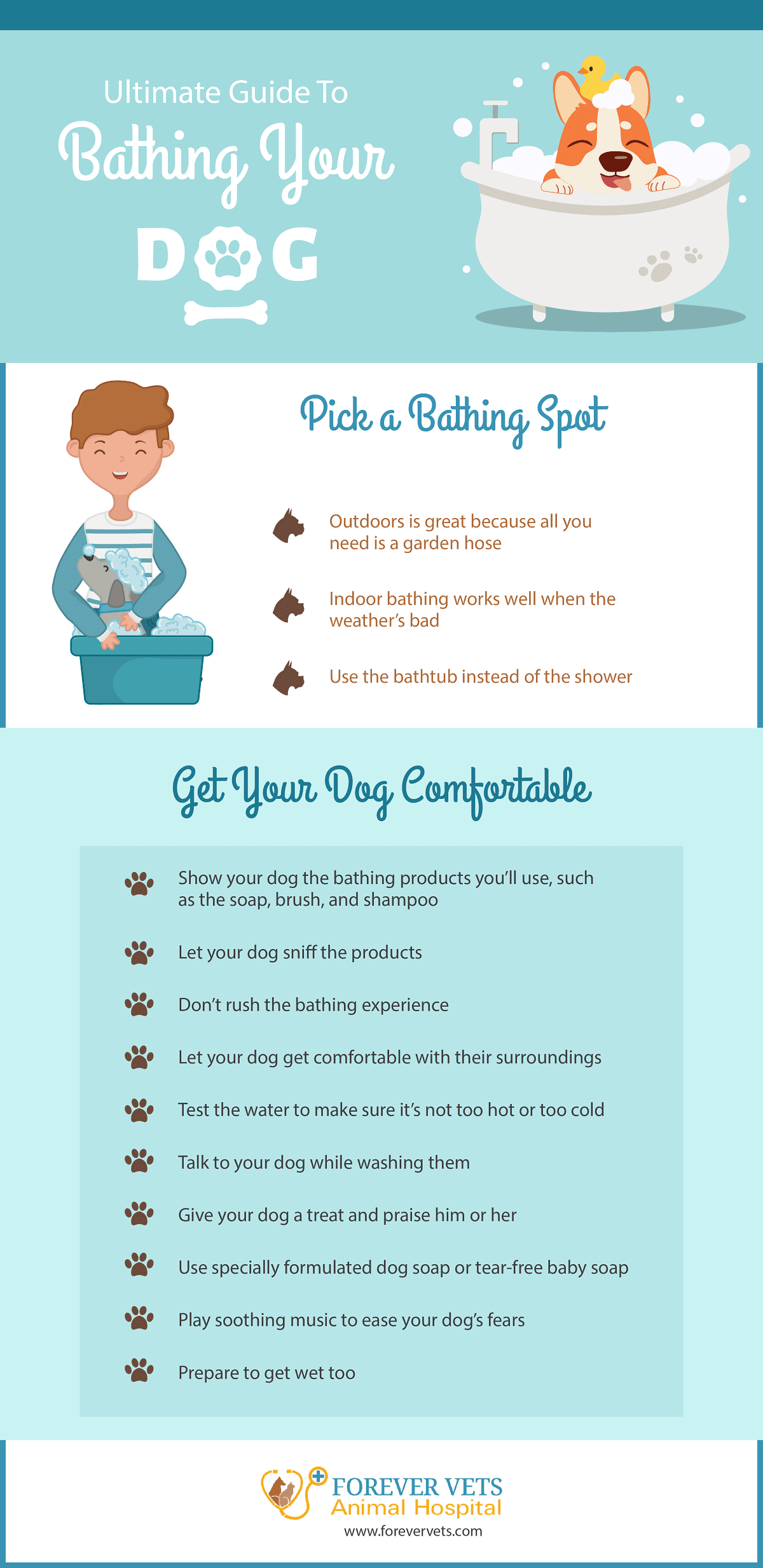
Creating a calm, safe environment is essential in preventing accidents and easing your nervous dog into the bathing process. Start by choosing a quiet, low-traffic area free of loud noises or distractions. If possible, use a non-slip mat inside the tub or sink to prevent slipping, which can startle or injure your dog. Additionally, maintain a comfortable, moderate water temperature—lukewarm water is ideal—as cold or hot water can increase discomfort and anxiety.
Gather all necessary supplies beforehand to minimize interruptions once bath time begins. Essential items include gentle dog-specific shampoo, a waterproof cup or sprayer, towels, and, if needed, a leash or harness to help control your dog’s movements safely. Having everything within reach reduces the need to leave your dog unattended or reach for items mid-bath, which can cause panic or accidents. Consider using calming aids like pheromone sprays or calming wipes if your dog responds well to them.
Lighting and scent also play roles in creating a relaxing environment. Soft lighting or natural light can help soothe nervous dogs, while avoiding strong or unfamiliar scents prevents overwhelming their sensitive noses. Some owners find that playing calm, soothing music during bath time can distract and relax their dog. Ultimately, the goal is to make the space inviting and predictable, helping your dog associate bath time with safety rather than fear.
Gentle Techniques to Familiarize Your Dog with Bathing Procedures
Easing your dog into the bathing routine through gentle, gradual techniques is effective in reducing anxiety. Begin by introducing your dog to the bathing area outside of actual baths—let them sniff and explore the space while offering treats and praise. This helps build positive associations with the environment, making the space feel less intimidating over time.
When it’s time for the actual bath, start slowly by introducing your dog to the water without forcing them in. Use a cup or gentle sprayer to lightly sprinkle their paws or legs, rewarding calm behavior with treats and praise. This step-by-step approach allows your dog to understand that water isn’t a threat. Keep the initial water level low and work gradually to avoid overwhelming them.
During the bath, maintain a calm, steady voice and use soft, gentle movements. Avoid sudden or aggressive handling, as this can reinforce their fears. Support their body securely but softly, and be patient if they resist or try to escape. Consistent repetition of these gentle procedures helps your dog become more comfortable with the process, reducing the likelihood of panicked reactions or accidents.
Building Positive Associations to Reduce Anxiety and Fear
One of the most effective ways to prevent bath-time accidents with anxious dogs is to build positive associations with the entire process. This means pairing bath time with things your dog loves and finds comforting, such as treats, praise, or favorite toys. Over time, your dog begins to associate bath-related cues—like water, the tub, or even the sound of running water—with positive experiences.
Start by offering high-value treats before, during, and after the bath, especially when they remain calm or cooperate during each step. Incorporate praise and petting to reinforce their good behavior. For example, give a treat when they step into the bathing area or when they tolerate being rinsed. This positive reinforcement shifts their mindset from fear to expectation of rewards, gradually reducing their anxiety.
You can also incorporate training exercises that emphasize trust and confidence outside of bath time. Basic commands like “sit,” “stay,” or “gentle” can help your dog feel more in control and secure during baths. Consistency is key—regular, short bathing sessions paired with positive experiences will teach your dog that baths are safe, manageable, and even enjoyable over time.
Troubleshooting Common Bath-Time Challenges and Ensuring Safety
Even with the best preparations, some nervous dogs may still exhibit challenging behaviors during bath time, such as attempting to escape, barking excessively, or showing signs of panic. Recognizing and addressing these behaviors early can prevent accidents and injury. For instance, if your dog tries to jump out of the tub, having a sturdy, non-slip mat and a secure harness can help keep them safe while minimizing their stress.
If your dog shows signs of extreme fear—such as trembling, growling, or attempting to bite—it’s important to pause and reassess your approach. Forcing the issue can escalate their anxiety or cause injuries. Instead, give them a break, allow them to calm down, and try again later with even gentler techniques. Consulting a professional trainer or behaviorist may also be beneficial in designing a customized plan for your fearful dog.
Safety precautions should always be a priority. Never leave your dog unattended in the bath, especially if they are nervous or escape-prone. Keep sharp or breakable objects out of reach and handle water flow carefully to prevent splashing or accidental injury. Using specialized equipment like dog-specific harnesses or bathing slings can give you better control and reduce the risk of accidents. Remember, patience and consistency are key—over time, these strategies will help your nervous dog feel more secure and reduce the likelihood of bath-time injuries.
Conclusion
Bath time doesn’t have to be a source of stress or danger for your nervous dog. By understanding their fears, creating a calming environment, and employing gentle, positive techniques, you can make bathing a safer, more pleasant experience. Consistency, patience, and empathy are essential components in helping your dog overcome anxiety and develop trust in the process. Always prioritize safety, and don’t hesitate to seek professional guidance if your dog’s fears are deeply rooted or particularly severe.
Transforming bath time from a stressful ordeal into a bonding experience not only protects your dog from accidents but also strengthens your relationship. With these tips and safety guides in mind, you’re well on your way to ensuring that every bath is as safe, calm, and positive as possible—for both your dog and yourself.