


How to Prevent Dandruff Naturally: Effective Tips and Solutions
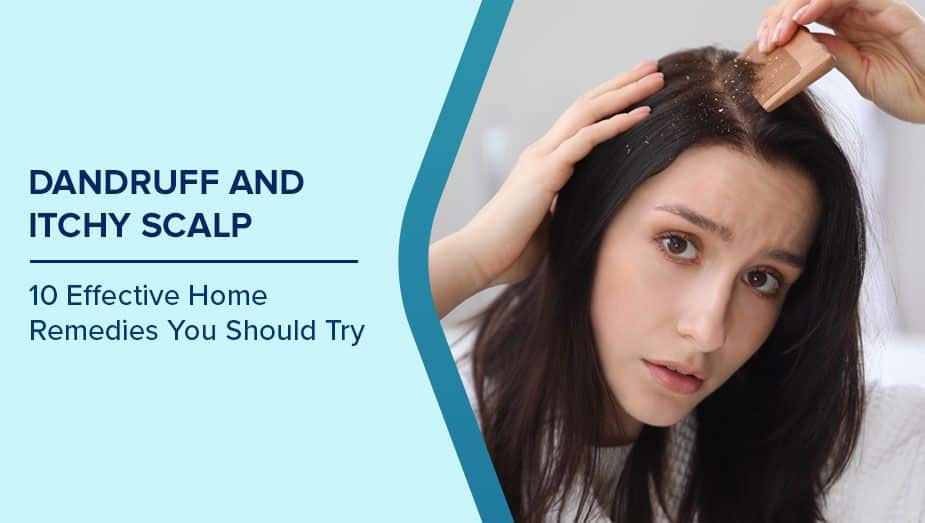
Dandruff is one of the most common scalp issues that millions of people worldwide experience at some point in their lives. It can be embarrassing, itchy, and sometimes even self-esteem-damaging. While there are countless over-the-counter shampoos and treatments available, many people prefer to explore natural remedies and lifestyle changes to keep dandruff at bay. If you’re tired of dealing with flaky scalp and want to discover safe, effective, and natural ways to prevent dandruff, you’ve come to the right place. This article will guide you through understanding the root causes of dandruff, adopting good scalp hygiene, choosing suitable natural remedies, making dietary adjustments, and implementing long-term scalp care tips—empowering you to maintain a healthy scalp naturally.
Understanding the Causes of Dandruff and Its Impact on Scalp Health
Dandruff is primarily caused by an imbalance of the scalp’s natural oils and the overgrowth of a yeast-like fungus called Malassezia. This fungus feeds on the oils produced by hair follicles, leading to irritation, inflammation, and flaky skin. Other factors such as dry skin, sensitivity to hair care products, hormonal changes, stress, and even certain skin conditions like psoriasis or eczema can also contribute to dandruff. Recognizing these causes is the first step towards effective prevention, since different triggers may require different approaches.
Beyond the visible flakes, dandruff can significantly impact scalp health. Excessive flaking can damage the scalp’s natural barrier, making it more susceptible to infections and irritation. It can also lead to scalp itchiness, redness, and discomfort, which often causes people to scratch, worsening the problem and potentially leading to hair loss. Additionally, persistent dandruff may diminish hair shine and strength, affecting overall hair health. Understanding that dandruff isn’t solely a cosmetic issue but also a sign of underlying scalp imbalance helps motivate you to adopt natural, holistic prevention strategies.
To effectively prevent dandruff, it’s essential to consider individual factors such as scalp type (oily, dry, sensitive), personal skin conditions, and lifestyle habits. Identifying specific triggers can help tailor natural remedies and lifestyle adjustments. For example, if dry skin is the culprit, moisturizing the scalp naturally becomes a priority. If oily scalp and Malassezia overgrowth are issues, anti-fungal natural treatments can be more appropriate. Knowing the root causes empowers you to choose the most suitable preventive measures for your scalp health.
Adopting Effective Hair and Scalp Hygiene Practices
Proper scalp hygiene plays a vital role in preventing dandruff naturally. Regular washing helps remove excess oil, dead skin cells, and dirt that can foster fungal growth and irritation. However, over-washing or using harsh shampoos can strip the scalp of its natural oils, leading to dryness and increased flakiness. Striking the right balance is key. Aim for washing your hair 2-3 times a week with a gentle, sulfate-free shampoo designed to maintain the scalp’s natural moisture balance.
When washing your hair, massage your scalp gently with your fingertips rather than using nails or rough scrubbing. This stimulates blood circulation, promotes healthy skin renewal, and helps loosen flakes without irritating the scalp. Use lukewarm water—hot water can dry out your skin and exacerbate dandruff, while cold water may not effectively cleanse away oils and dirt. Incorporating natural ingredients like tea tree oil or neem oil into your routine can provide antimicrobial and antifungal benefits, helping to keep dandruff under control naturally.
In addition to regular washing, pay attention to scalp dryness and avoid harsh chemical treatments such as frequent coloring, relaxers, or heat styling. These can weaken hair strands and scalp skin, making flakiness worse. Regularly brushing your hair also helps distribute natural oils from scalp to tips, preventing excess oil buildup in one area and dry patches in another. Overall, establishing a consistent, gentle hair care routine rooted in natural, scalp-friendly practices is one of the most effective ways to prevent dandruff long-term.
Choosing the Right Anti-Dandruff Hair Care Products and Treatments
While many commercial anti-dandruff shampoos contain synthetic chemicals, several natural ingredients have proven effective in combating dandruff safely. Look for shampoos that contain tea tree oil, which has powerful antifungal properties, or zinc pyrithione, which helps control yeast growth on the scalp. Other natural ingredients like neem, aloe vera, apple cider vinegar, and coconut oil can soothe irritation, balance scalp pH, and reduce fungal overgrowth without harsh chemicals.
When selecting products, prioritize those labeled as sulfate-free and free from parabens or silicones. These formulations are gentler on the scalp and help maintain your hair’s natural oils. In some cases, alternating between a mild herbal shampoo and an anti-dandruff natural treatment can be more effective. For example, using a neem-based shampoo twice a week and a gentle aloe vera rinse in between can keep your scalp clean and hydrated.
Natural remedies like applying a paste of neem leaves, coconut oil, or apple cider vinegar before washing can enhance your dandruff prevention routine. These approaches not only address fungal causes but also nourish the scalp and hair follicles. Remember, consistency is key—natural treatments may take a few weeks to show visible results, so patience and regular use are essential for long-term dandruff control.
Implementing Dietary and Lifestyle Changes to Reduce Dandruff
A healthy diet and lifestyle are crucial for maintaining a balanced scalp and preventing dandruff naturally. Incorporate foods rich in omega-3 fatty acids, such as walnuts, flaxseeds, and oily fish, which help reduce scalp inflammation. Vitamin B complex, especially biotin and zinc, supports healthy skin and hair, while antioxidants from fruits and vegetables help combat oxidative stress that can worsen scalp conditions. Staying well-hydrated by drinking plenty of water also keeps your scalp moisturized from within.
Stress is another significant factor influencing dandruff, as it can upset hormonal balance and weaken the immune system, allowing fungal growth to flourish. Practice stress-reducing activities like yoga, meditation, or regular exercise to maintain overall well-being and scalp health. Adequate sleep is equally important, as it promotes cellular repair and reduces inflammation. Avoid smoking and limit alcohol intake, as these habits can impair skin health and exacerbate scalp issues.
Lifestyle habits like wearing hats or helmets for long periods, exposure to pollution, and using harsh hair products can also trigger dandruff. To minimize these effects, opt for breathable, natural fabrics and avoid overexposure to environmental pollutants. Regular scalp massages with herbal oils like coconut, castor, or olive oil can improve blood circulation, nourish hair follicles, and help prevent dry, flaky scalp issues. Overall, adopting a balanced diet and healthy lifestyle is a natural, sustainable way to keep dandruff at bay.
Preventive Scalp Care Tips for Long-Term Dandruff Control
Prevention begins with a proactive approach. Regular scalp care routines that incorporate natural remedies and healthy habits can greatly reduce the risk of dandruff returning. Use natural scalp treatments like aloe vera gel, witch hazel, or diluted apple cider vinegar rinses weekly to maintain an optimal scalp pH and inhibit fungal growth. These simple, natural solutions can soothe irritation and keep flakes under control without relying on strong chemicals.
Another long-term tip is to avoid excessive use of styling products, as they can build up on the scalp and trap oils and dead skin. When styling, opt for natural, alcohol-free products and wash your hair thoroughly afterward. Protect your scalp from environmental stressors like UV rays and pollution by wearing hats or using natural UV protectants. Regularly massaging your scalp with herbal oils not only promotes relaxation but also strengthens hair roots, reduces dryness, and prevents dandruff buildup.
Finally, stay alert to any changes in your scalp or hair health. If dandruff persists despite natural care and lifestyle changes, consult a dermatologist to rule out underlying skin conditions. Being consistent with your scalp care routine, maintaining good hygiene, and adopting a balanced diet are your best defenses against long-term dandruff issues. Remember, prevention is always better than cure—so start incorporating these natural tips today for healthier, flake-free scalp and hair.
Conclusion
Dandruff can be a stubborn problem, but with the right natural strategies, it’s entirely manageable and preventable. Understanding the root causes, practicing good scalp hygiene, choosing gentle and effective natural products, and making mindful dietary and lifestyle choices all contribute to a healthier scalp free from flakes. Remember, consistency is key—natural remedies may take time but provide safe, side-effect-free results when used regularly. By adopting these holistic tips, you can enjoy a flake-free scalp, healthier hair, and greater confidence. Don’t forget, caring for your scalp is an ongoing journey—embrace these natural solutions for long-term dandruff prevention and scalp wellness.