


How to Prevent Dog Hair from Clogging the Drain During Baths: Easy Tips
Bath time should be a bonding experience for you and your furry friend, but it often comes with an annoying downside: hair clogging your drains. Dog hair is lightweight, shed easily, and can quickly accumulate in your plumbing, leading to slow drains, unpleasant odors, or even costly repairs. If you’re tired of battling hair clogs after every bath, you’re in the right place. This article dives into practical strategies to prevent dog hair from clogging your drains, covering everything from understanding why it happens to effective grooming techniques and drain protection solutions. Read on to discover simple yet effective tips that make bath time cleaner, easier, and less stressful for both you and your pup.
Understanding Why Dog Hair Clogs Drains During Bathing
Dog hair clogging drains is a common issue that often catches pet owners off guard. The primary reason is that dogs shed hair continuously, especially during grooming or bathing, releasing loose hairs into the water. When you bathe your dog, these loose hairs tend to float or settle in the drain, gradually forming a blockage if not properly managed. The problem is compounded by the fact that dog hair is fine and lightweight, enabling it to slip past standard drain covers or mesh filters, especially if they aren’t designed to catch such small particles.
Moreover, your plumbing system itself plays a role. Many household drains are not equipped with fine mesh filters, making it easy for hair to pass through and accumulate in pipes. Over time, this buildup can restrict water flow, causing slow drainage or even complete clogs. It’s also worth noting that dirt, oils, and skin flakes often accompany shed hair, creating a sticky, more stubborn clog that’s harder to clear. Understanding these mechanisms helps you realize why proactive measures are necessary to keep your drains clear during bath time.
Lastly, the frequency of baths and the size or breed of your dog influence how much hair ends up in your drain. High-shedding breeds like Labrador Retrievers or German Shepherds shed large amounts of hair regularly, so their bath time results in more hair going down the drain. Smaller or hypoallergenic breeds tend to shed less, but any shedding can still contribute to clogs if not managed carefully. Knowing your dog’s shedding habits allows you to tailor your preventative approach effectively, saving you time and frustration in the long run.
Preparing Your Bathroom and Drain Area to Minimize Hair Accumulation
Preparation is key to preventing dog hair from clogging your bathroom drains during baths. Start by organizing your space—clear the area around the bathtub or sink to ensure easy access and to prevent hair from spreading elsewhere. Consider laying down old towels or bath mats that can trap loose hair, preventing it from dispersing across your bathroom floor. This simple step makes cleanup easier and minimizes hair dispersal throughout the room.
Next, focus on your drain area. Installing a fine mesh drain cover or hair catcher is one of the smartest ways to trap hair before it enters your plumbing. These are inexpensive, easy to install, and can be removed for cleaning after each bath. Make sure the cover fits snugly over your drain and has small enough holes to catch loose hairs while allowing water to flow freely. Additionally, if your drain has a removable strainer, clean it thoroughly beforehand to remove any debris or hair buildup, and ensure it’s in good condition for the upcoming bath.
Finally, consider using a temporary or permanent barrier during your dog’s bath. For example, placing a shallow basin or tub with a drain cover inside or over your regular tub can help contain hair. Another option is to use a splash guard or a plastic sheet along the edges where your dog is bathed, which can help catch loose hair and prevent it from falling directly into the drain. Proper preparation minimizes hair loss in the drain and makes post-bath cleanup quicker and less stressful.
Effective Grooming Techniques to Reduce Loose Hair Before Bathing
The most straightforward way to prevent dog hair from clogging your drains is by reducing shedding before bath time. Regular grooming is essential—not only for your dog’s health and comfort but also for keeping hair away from your plumbing. Brushing your dog frequently, especially during shedding seasons, helps remove loose hair and prevents it from ending up in the drain. Use the right brush for your dog’s coat type—slicker brushes for long-haired breeds or deshedding tools like the Furminator for heavy shedders. Aim for at least weekly grooming sessions, or more often if your dog sheds heavily.
Bathing your dog immediately after a thorough brush is another effective step. Before starting the bath, give your dog a good brush to loosen and remove as much loose hair as possible. This not only reduces the amount of hair shed during the bath but also makes the bathing process more comfortable for your pet. During bathing, consider using grooming gloves or deshedding shampoos that help lift and remove loose hair from the coat. These shampoos contain ingredients that loosen hair and reduce shedding, making it easier to rinse away hair during the bath.
In addition to brushing and bathing, keep an eye on your dog’s overall health and diet. Proper nutrition supports healthy skin and coat, which can minimize excessive shedding. Regular vet checkups help identify underlying issues that may cause increased shedding, such as allergies, skin infections, or hormonal imbalances. By maintaining a healthy coat through grooming and good health practices, you’ll significantly reduce the amount of loose hair that can clog your drains during bath time.
Practical Drain Protection Solutions to Catch Hair During Baths
Investing in effective drain protection solutions is one of the simplest ways to prevent dog hair from clogging your plumbing. A high-quality, fine-mesh drain cover or hair catcher is your first line of defense. These devices are designed to fit most standard drains and trap hair while allowing water to flow freely. Regularly cleaning and inspecting the cover ensures it remains effective—simply remove it after each bath, dispose of the collected hair, and rinse it thoroughly. For extra assurance, opt for covers with small holes or mesh that can trap even the tiniest hairs, especially if you have a heavy shedder.
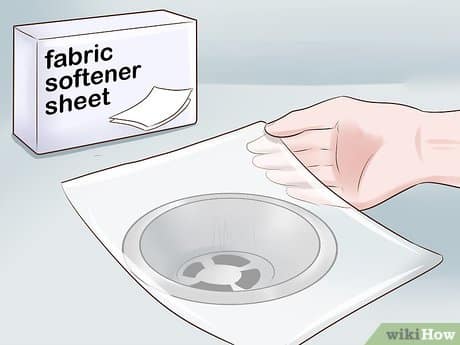
Another practical option is using disposable or reusable lint or hair filters that can be placed directly into the drain or over it during bath time. These filters are often made of silicone or plastic and can be easily removed and cleaned. Some pet owners also use nylon stockings or fine cloth bags as makeshift filters—just cut them to size and secure them over the drain opening with a rubber band or clip. These DIY methods are cost-effective and highly customizable, ensuring you catch as much hair as possible before it enters your plumbing.
Beyond physical barriers, consider installing a dedicated pet bath station with built-in hair traps or specialized drain systems designed for pet owners. These systems often feature multi-layer filters or water traps that collect shed hair and prevent it from clogging the pipes. If you bathe your dog regularly, investing in such a system can save you money and time on drain cleaning and repairs. Remember, the key is consistency: use these protective solutions every time you bathe your dog to maintain a clog-free drain.
Tips for Regular Drain Maintenance and Hair Removal to Prevent Clogs
Prevention doesn’t stop at barrier methods; regular maintenance of your drains is essential to keep them flowing freely. Start by cleaning your drain covers or filters after each bath, removing accumulated hair and debris. Use a brush or tweezers to extract stubborn hairs, and rinse the cover thoroughly before reinstalling. This routine prevents buildup that can harden into stubborn clogs. Additionally, periodically pour boiling water or a mixture of baking soda and vinegar down the drain to dissolve any residual hair or grease. This natural cleaning method is safe and effective for maintaining clear pipes.
For deeper cleaning, consider using a drain snake or auger to remove hair and debris lodged further down in the pipes. These tools are inexpensive and easy to use, especially if you’re comfortable doing minor plumbing maintenance. Performing this check every few months ensures that hair doesn’t accumulate unnoticed, which can eventually cause serious blockages. If you notice slow drainage or unpleasant odors, it’s a sign that your pipes need cleaning—address this promptly to prevent further issues.
Finally, developing a routine of inspection and cleaning can extend the lifespan of your plumbing system. Consider scheduling professional drain cleaning periodically, especially if you bathe your dog frequently or have a high-shedding breed. Using enzyme-based drain cleaners designed for pet hair can also help break down organic material and prevent clogs without harsh chemicals. By combining these maintenance tips with effective grooming and drain protection, you’ll create a comprehensive approach to keep your drains clear and your bathing routine hassle-free.
Conclusion
Keeping your drains free of dog hair during bath time is a manageable task when you combine good grooming habits, proper preparation, and practical drain protection. Regular brushing and deshedding treatments can dramatically reduce loose hair before it enters the water, making baths cleaner and less messy. Installing mesh covers or hair catchers on your drains provides an effective physical barrier, trapping hair before it can cause clogs. Additionally, consistent drain maintenance—including cleaning filters and using natural cleaners—ensures your plumbing stays clear over the long term.
Every pet owner can implement these easy tips to prevent costly clogs and enjoy bath time without worry. Remember, the key lies in proactive measures—preparing your space, grooming your dog regularly, and maintaining your drains diligently. With these strategies, you’ll not only prevent hair-related plumbing issues but also make bathing a more pleasant and stress-free experience for both you and your furry friend. So go ahead, get that brush ready, install those covers, and enjoy cleaner, clog-free drains for many baths to come!