


How to Prevent Dry Skin from Returning: Tips for Long-Lasting Hydration
Dry skin can be an ongoing battle for many, especially as environmental factors, aging, and lifestyle choices influence skin health. While occasional dryness is common, persistent or recurring dry skin can be uncomfortable, unsightly, and sometimes even painful. The good news is that with a strategic approach, you can significantly reduce the chances of dry skin returning and maintain a soft, supple, and well-hydrated complexion over the long term. This article delves into the root causes of dry skin recurrence, effective skincare routines, product choices, lifestyle adjustments, and seasonal tips to keep dryness at bay.
Understanding the Causes and Triggers of Dry Skin Recurrence
Dry skin isn’t a one-size-fits-all condition; it often results from a mix of internal and external factors that can trigger recurring episodes. Recognizing these causes is essential to developing a targeted prevention strategy. Internal factors such as genetics, aging, and underlying health issues (like eczema or psoriasis) can predispose your skin to dryness. As we age, our skin produces less oil and crucial lipids, making hydration harder to maintain, which explains why dry skin often worsens over time.
External triggers are equally important and include environmental conditions like cold weather, low humidity, and harsh winds that strip moisture from the skin’s surface. Excessive exposure to heat—such as hot showers or heated indoor environments—can evaporate natural oils, leaving the skin dry. Additionally, harsh soaps, alcohol-based skincare products, and over-exfoliation can disrupt the skin’s natural barrier, making it more susceptible to moisture loss and dryness recurrence. Lifestyle choices such as inadequate water intake, poor diet, stress, and lack of sleep can also impair the skin’s ability to stay hydrated, setting the stage for dryness to return.
Another key aspect is skin barrier health. When the skin’s outermost layer (the stratum corneum) is compromised, it cannot retain moisture effectively. Chronic dryness often signals a weakened barrier, which can be caused by frequent washing, harsh skincare ingredients, or environmental insults. Understanding these triggers allows you to identify what to minimize or avoid, reducing the cycle of dryness and rehydration that frustrates many skin types.
Establishing an Effective Daily Skincare Routine for Long-Lasting Hydration
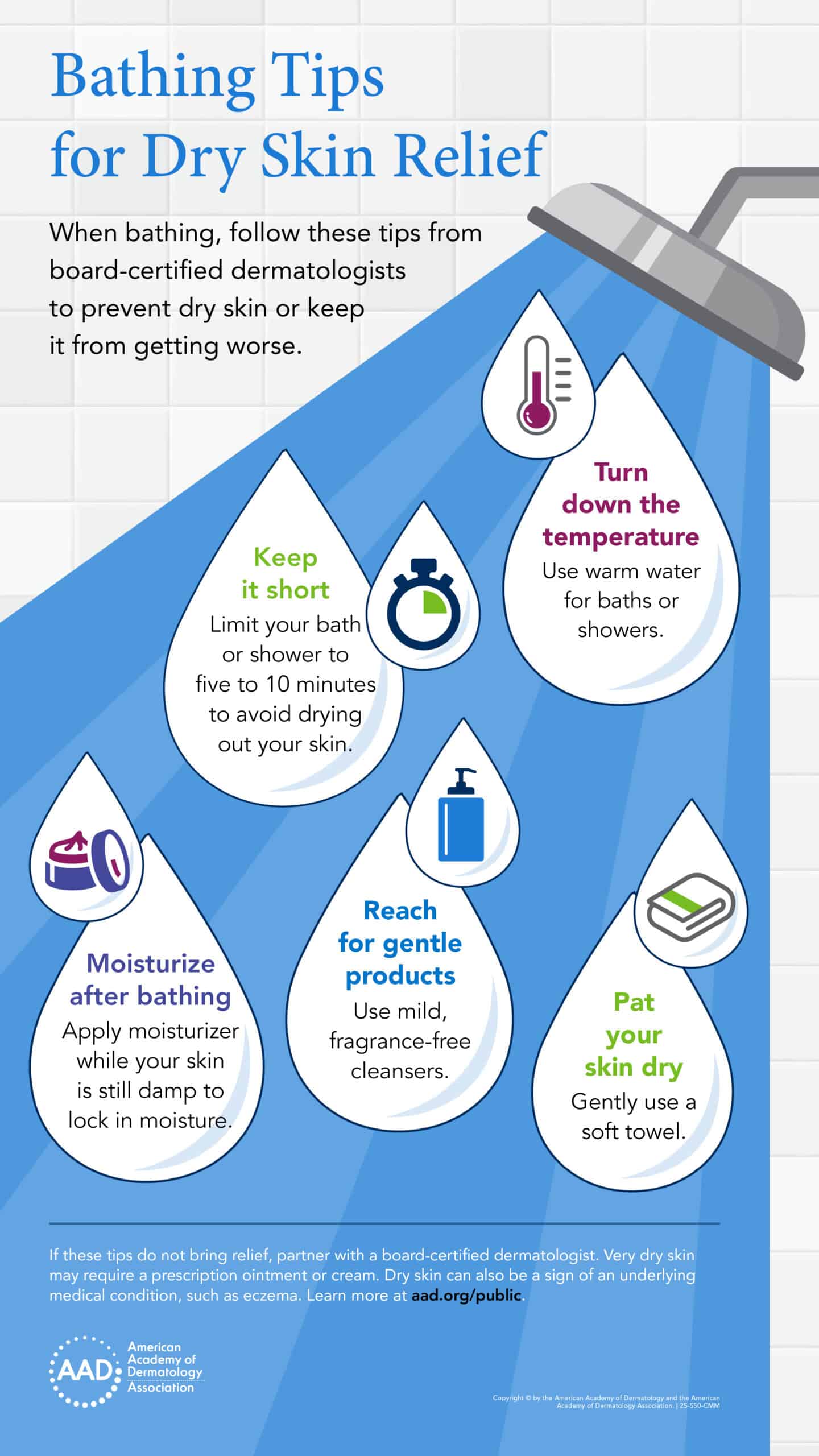
A consistent, tailored skincare routine is your most powerful tool against recurring dry skin. The foundation begins with gentle cleansing—using a mild, hydrating cleanser that respects your skin’s natural oils. Avoid harsh soaps or cleansers with sulfates, which can strip away moisture and damage the skin barrier. Instead, opt for sulfate-free, creamy cleansers enriched with moisturizing ingredients like glycerin or ceramides.
Next, don’t skip the moisturizer! Applying a rich, emollient moisturizer immediately after cleansing helps lock in hydration and reinforces the skin’s barrier. Look for formulations containing hyaluronic acid, ceramides, or squalane, which attract and retain water while restoring the skin’s protective lipids. For those with extremely dry or sensitive skin, layering your moisturizer with a humidifier or occlusive agents like petroleum jelly can provide an extra barrier against moisture loss, especially overnight.
Incorporate targeted treatments and habits that enhance hydration. Using serums with antioxidants can support barrier repair, while gentle exfoliation (once or twice a week) with mild acids like lactic or mandelic acid helps remove dead skin cells, allowing moisturizers to penetrate more effectively. Remember, the key to preventing dryness from returning is consistency—stick to your routine even on days when your skin feels fine, and make adjustments based on seasonal or environmental changes.
Choosing the Right Moisturizers and Skin Barrier Protectants
Not all moisturizers are created equal—selecting the right products can make a significant difference in maintaining long-term hydration. For dry or sensitive skin, look for products that contain occlusive agents like petroleum jelly, mineral oil, or dimethicone, which create a physical barrier to prevent water loss. Emollients such as shea butter, cocoa butter, or plant oils (e.g., jojoba, argan oil) smooth and soften the skin, reducing roughness and flakiness.
Humectants are crucial ingredients for attracting moisture from the environment or deeper skin layers to the surface. Hyaluronic acid, glycerin, and urea are popular humectants that boost hydration levels when used correctly. Combining humectants with occlusives creates a synergistic effect, ensuring moisture is both drawn into and retained within the skin.
Pay attention to product formulation and your specific skin needs. For instance, if you have eczema or dermatitis, choose fragrance-free, hypoallergenic formulas that reinforce your skin’s barrier rather than irritate it. When selecting moisturizers, also consider the climate—heavier creams are suitable for cold, dry weather, while lightweight lotions can suffice in humid conditions. Regularly updating your skincare products based on your skin’s response helps sustain long-lasting hydration and prevents dryness from creeping back.
Incorporating Lifestyle and Environmental Adjustments to Prevent Dryness
Healthy habits and environment play a pivotal role in keeping your skin well-hydrated. Ensuring adequate water intake—aim for at least 8 glasses a day—helps maintain internal hydration, which reflects on your skin’s appearance and resilience. Incorporate a diet rich in omega-3 fatty acids, antioxidants, and vitamins A, C, and E to support skin repair and barrier function from within.
Adjust your environment to protect your skin from harsh conditions. Using a humidifier during dry winter months or in heated indoor spaces adds moisture to the air, preventing your skin from drying out. Avoid prolonged exposure to cold winds or direct sunlight, which can accelerate moisture loss. When outdoors, wear protective clothing and apply broad-spectrum sunscreens to shield your skin from UV damage and dryness caused by sun exposure.
Lifestyle choices such as avoiding smoking and limiting alcohol consumption also benefit skin hydration. Smoking constricts blood vessels, reducing oxygen and nutrient delivery to skin cells, while alcohol dehydrates the body and skin tissue. Regular exercise improves circulation, promoting better nutrient delivery and waste removal, which can indirectly help maintain your skin’s moisture balance.
Tips for Managing Dry Skin During Seasonal Changes and Extreme Weather Conditions
Seasonal transitions are notorious for causing dry skin flare-ups. As winter approaches, the drop in temperature and humidity levels strips moisture from your skin, making it essential to adapt your skincare routine. Switch to thicker, more occlusive moisturizers and avoid hot showers, which can exacerbate dryness. Instead, opt for lukewarm baths and gentle cleansers to preserve your skin’s natural oils.
In extreme weather, protecting your skin becomes even more critical. Wind and sun exposure can cause dehydration and irritation. Always apply a broad-spectrum sunscreen when outdoors, even in cloudy weather, and wear protective clothing or scarves to shield your face. After outdoor activities, cleanse your skin with mild products and replenish moisture with rich creams or ointments.
Pay special attention to indoor environments during seasonal changes. Central heating and air conditioning can lower indoor humidity, leading to skin dryness. Use humidifiers and keep indoor temperatures moderate to maintain a skin-friendly environment. Also, consider using gentle, fragrance-free skincare products that support your skin’s barrier and prevent dryness from recurring during these challenging times.
Conclusion
Preventing dry skin from returning is a holistic process that combines understanding the root causes, establishing a consistent skincare routine, choosing appropriate products, and making lifestyle adjustments. By recognizing external triggers like seasonal changes and environmental stressors, you can proactively protect your skin and maintain long-lasting hydration. Remember, the key to healthy, moisturized skin lies in regular maintenance and adapting your habits to your skin’s evolving needs. Prioritize your skin’s health—your future self will thank you!