

How to Prevent Hair Shedding: Effective Tips for Healthy Hair Growth
Are you noticing more hair strands on your pillow, brush, or in the shower drain? Hair shedding is a common concern that can range from a minor annoyance to a sign of underlying health issues. While losing some hair daily is normal—about 50 to 100 strands—excessive shedding can be distressing and may impact your confidence. The good news is, with the right knowledge and proactive habits, you can minimize hair loss and promote healthier, stronger hair growth. In this article, we’ll explore the causes of hair shedding, practical tips to prevent it, and how to build a hair care routine that supports your hair’s vitality.
Understanding the Causes of Hair Shedding and When it Becomes a Concern
Hair shedding is a natural part of the hair cycle, which includes phases of growth (anagen), rest (telogen), and shedding. Typically, losing 50-100 hairs daily is normal, but when shedding exceeds this range or is persistent, it may indicate an underlying issue. Factors such as genetics, hormonal changes, stress, nutritional deficiencies, or medical conditions can influence hair loss. For example, androgenetic alopecia (pattern baldness) is a hereditary condition affecting many men and women, leading to gradual thinning.
Understanding the difference between normal shedding and abnormal hair loss is crucial. If shedding is sudden, involves patchy bald spots, or is accompanied by other symptoms like scalp irritation or pain, it warrants consulting a healthcare professional. Conditions like thyroid disorders, iron deficiency anemia, or alopecia areata can cause excessive hair loss. Recognizing these signs helps in early diagnosis and effective treatment, preventing further hair damage. Moreover, lifestyle factors like intense stress, poor diet, and certain medications can temporarily increase shedding, but addressing these root causes can restore healthy hair growth.
Environmental factors and hair treatments also play a role. Overexposure to harsh chemicals, frequent heat styling, or tight hairstyles that pull on the scalp can weaken hair strands and follicles. Age also impacts hair density, with natural thinning occurring over time. Being aware of these factors allows you to distinguish between manageable shedding and potential health concerns. Remember, proactive care and early intervention are key to maintaining a lush, healthy scalp.
Developing a Gentle and Consistent Hair Care Routine to Minimize Shedding
A gentle, consistent hair care routine is the foundation of preventing unnecessary hair shedding. Avoid harsh shampoos and aggressive brushing, which can cause mechanical damage to hair strands and scalp irritation. Choose sulfate-free, nourishing shampoos that clean without stripping natural oils, and use lukewarm water—hot water can weaken hair and dry out the scalp. Incorporate a conditioner suited to your hair type to maintain moisture, reduce breakage, and support elasticity. Regularly massaging your scalp with fingertips stimulates blood circulation, which can encourage healthy follicle activity.
Consistency is essential—establishing a routine that you stick to prevents sudden surprises from irregular or haphazard hair care habits. Limit washing to every 2-3 days unless you have an oily scalp, as overwashing can strip natural oils and lead to dryness. When towel-drying, gently pat your hair instead of rubbing vigorously, which can cause breakage. Moreover, avoid tight hairstyles like ponytails or braids that strain hair roots over time, leading to traction alopecia. Opt for loose styles that do not pull on your scalp, and give your hair regular breaks from styling products or heat treatments.
Incorporating occasional deep conditioning treatments or hair masks can provide extra nourishment, especially if your hair feels brittle or dry. Use natural oils like coconut or argan oil for scalp massages or to seal hair ends—these oils are rich in nutrients that strengthen hair from within. Finally, trimming split ends every 6-8 weeks prevents further damage from traveling up the hair shaft, preserving overall hair health. Remember, patience and gentle handling are key to long-term hair retention and growth.
Dietary and Lifestyle Factors that Impact Hair Health and Shedding Prevention
What you eat and how you live significantly influence your hair’s health and resilience. A balanced diet rich in essential nutrients—such as iron, zinc, biotin, vitamin D, and omega-3 fatty acids—provides the building blocks for strong, healthy hair. Iron deficiency, for example, is a common cause of hair thinning, especially in women, so including iron-rich foods like leafy greens, lean meats, and legumes is beneficial. Biotin, found in eggs, nuts, and whole grains, is well-known for promoting hair strength and growth, though supplementation should be discussed with a healthcare provider.
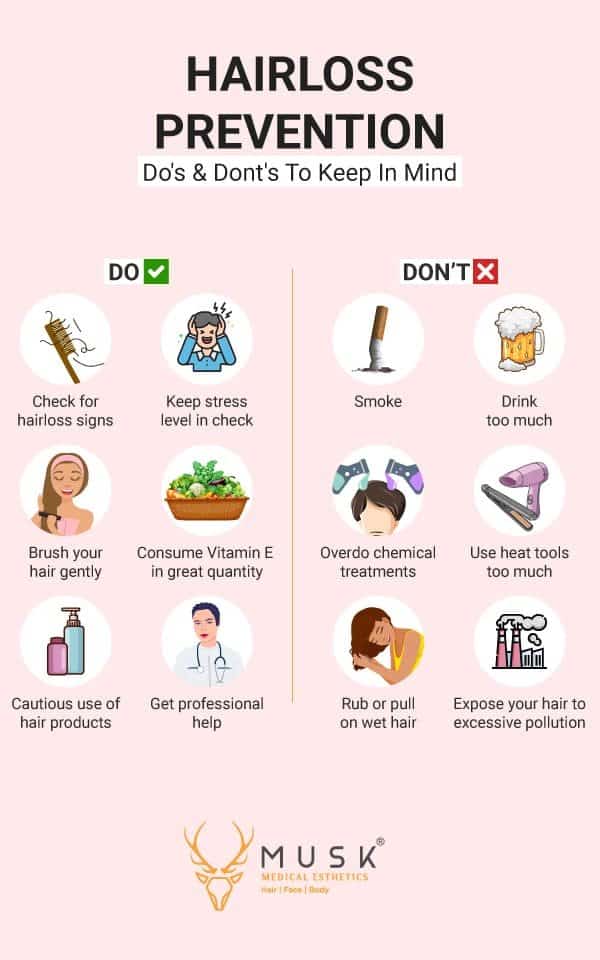
Lifestyle choices also play a pivotal role. Chronic stress can trigger telogen effluvium, a condition where hair prematurely enters the shedding phase. Incorporating stress management techniques such as meditation, regular exercise, or yoga can help regulate hormonal levels and support hair growth. Adequate sleep is another critical factor—aim for 7-9 hours per night—to allow your body to repair and regenerate tissues, including hair follicles. Avoid smoking and excessive alcohol consumption, both of which can impair blood circulation and nutrient delivery to your scalp.
Environmental factors like pollution, UV exposure, and harsh weather conditions can damage hair over time. Protect your hair by wearing hats or using UV-protectant sprays when outdoors. Hydration is equally important: drinking enough water keeps your scalp moisturized and flushes out toxins. Remember, maintaining a healthy lifestyle not only benefits your overall well-being but also creates an internal environment conducive to hair retention and growth.
Effective Hair Care Products and Treatments to Reduce Hair Loss
Selecting the right hair care products can make a noticeable difference in reducing shedding and promoting healthy growth. Look for shampoos and conditioners that contain ingredients like biotin, keratin, caffeine, or niacin—these have been linked to strengthening hair follicles and stimulating scalp circulation. For those experiencing significant shedding, topical treatments like minoxidil are FDA-approved options that can encourage new growth and slow hair loss. Always follow the instructions and consult a dermatologist before starting such treatments.
In addition to topical solutions, incorporating serums or oils with nourishing properties can enhance scalp health and reduce breakage. Natural oils like castor, rosemary, or peppermint oil have been shown to improve circulation, stimulate follicles, and support hair growth when used regularly. Use these oils as part of your scalp massage routine, and ensure proper dilution to prevent irritation. For more severe cases, procedures like platelet-rich plasma (PRP) therapy or laser therapy might be recommended by specialists to stimulate dormant follicles and improve hair density.
Avoid products with harsh chemicals, sulfates, parabens, or artificial fragrances that can irritate the scalp and weaken hair strands. Instead, opt for gentle, sulfate-free shampoos and avoid frequent use of heat styling tools and chemical treatments like bleaching or relaxing. Incorporating supplements like biotin, vitamin D, or omega-3 fatty acids—preferably after consulting with a healthcare provider—can also support internal nutrition. Remember, consistent use of quality products tailored to your hair needs will yield better long-term results in preventing hair shedding.
Best Practices for Handling and Styling Hair to Prevent Excessive Shedding
How you handle and style your hair daily can significantly impact its shedding and overall health. Avoid aggressive brushing, especially when hair is wet, as it is more vulnerable to breakage during this time. Use a wide-tooth comb or a gentle brush designed for detangling, and start from the tips, working your way up to the roots to minimize pulling. Be patient and gentle to prevent unnecessary stress on hair strands and follicles, which can lead to increased breakage and shedding.
Choosing hairstyles that do not exert tension on the scalp is essential. Tight ponytails, buns, or braids can cause traction alopecia—a form of hair loss caused by constant pulling—so opt for looser styles and alternate your hairdo frequently. When using hair accessories, select soft, non-damaging options like fabric scrunchies instead of tight elastics or metal clips. Additionally, avoid excessive heat styling, such as frequent blow-drying, curling, or straightening, which can weaken the hair shaft and cause split ends.
Furthermore, be mindful of your hair washing and drying techniques. Pat your hair dry with a soft towel rather than rubbing vigorously, and whenever possible, let hair air-dry or use a low-heat setting on your blow-dryer. Limit the frequency of chemical treatments like coloring, perming, or relaxing, as these can compromise hair integrity over time. By adopting these best practices, you reduce mechanical damage and help preserve your hair’s natural strength and volume.
Conclusion
Preventing hair shedding and supporting healthy hair growth is a multifaceted process that combines understanding the root causes, adopting gentle care routines, maintaining proper nutrition and lifestyle habits, choosing effective products, and handling your hair thoughtfully. Recognizing the signs of abnormal shedding early enables you to seek appropriate treatment and prevent further damage. Building a sustainable hair care routine that emphasizes nourishment, minimal stress on the scalp, and protection from environmental and mechanical damage will serve as the foundation for vibrant, resilient hair. Remember, patience and consistency are key—healthy hair is a reflection of overall well-being. Take proactive steps today to nurture your scalp and hair, and enjoy the confidence that comes with a full head of healthy, beautiful hair.