


How to Prevent Skin Irritation After Dog Baths: Tips for Healthy, Happy Skin
Bathing your dog is more than just a routine task—it’s a vital part of maintaining your pet’s overall health and happiness. While a clean dog is a happy dog, improper bathing or using unsuitable products can lead to skin irritation, discomfort, and even more serious dermatological issues. If you notice your furry friend scratching excessively, shedding more than usual, or showing redness and irritation post-bath, it’s time to rethink your bathing approach.
In this comprehensive guide, we’ll explore how to prevent skin irritation after dog baths by understanding common causes, preparing your dog and environment, choosing the right products, applying proper bathing techniques, and implementing effective post-bath care strategies. By following these expert tips, you can help ensure your dog’s skin stays healthy, irritation-free, and comfortable after every bath.
Understanding Common Causes of Skin Irritation After Dog Baths
Understanding what causes skin irritation after bathing is essential to prevent it. Several factors—ranging from allergies to improper bathing habits—can contribute to skin issues in dogs. Recognizing these causes helps you identify possible problem areas and adjust your routine accordingly.
One of the primary culprits is using harsh or inappropriate shampoos. Many pet owners inadvertently choose human shampoos or overly strong products that strip away the natural oils from a dog’s skin and coat. This disruption can lead to dryness, flakiness, and itching. Additionally, frequent bathing with aggressive products can weaken the skin’s natural barrier, making it more susceptible to irritation and infection.
Another common cause is allergic reactions, which may be triggered by certain ingredients in shampoos, environmental allergens, or even specific foods. Dogs with sensitive skin are especially vulnerable to allergic dermatitis, leading to redness, swelling, and discomfort post-bath. Sometimes, sensitivities can also be due to allergens present in water, such as chlorinated or hard water, or environmental factors like pollen and dust settling on their skin during or after bathing.
Finally, poor rinsing or improper drying techniques can leave residual shampoo or moisture on your dog’s skin. Residual soap can cause irritation, especially if not thoroughly rinsed. Moisture trapped in the coat can foster bacterial or fungal growth, resulting in infections and inflammation. Ensuring a complete rinse and proper drying is key to maintaining healthy, irritation-free skin.
Preparing Your Dog and Bathing Environment to Minimize Irritation
Proper preparation makes a significant difference in preventing skin irritation after your dog’s bath. Creating a calm, clean, and suitable environment ensures the bathing process is gentle and effective, minimizing stress and skin issues alike.
Start by grooming your dog before the bath. Brushing removes loose fur, dirt, and debris, which can clog pores or cause irritation if left on the skin during washing. It also helps distribute natural oils across the coat, promoting healthier skin and making the bathing process smoother. For dogs prone to skin sensitivities, gentle brushing with a soft-bristled brush is recommended to avoid scratching or damaging delicate skin.
Choose an appropriate bathing location—preferably a non-slip surface to prevent slipping and injury—such as a dedicated tub or a spacious area in your shower. Ensuring the environment is warm and free from drafts helps keep your dog comfortable and prevents chills, which can exacerbate skin issues. Using lukewarm water (not hot or cold) is crucial because hot water can strip natural oils and dry out the skin, while cold water may cause discomfort and stress.
Finally, before bathing, inspect your dog’s skin for existing irritations, wounds, or infections. If you notice any abnormalities or skin issues, consult your veterinarian before proceeding with a bath. This proactive approach helps prevent aggravating existing conditions and ensures your pet’s skin remains healthy and irritation-free after bathing.
Selecting Gentle, Skin-Friendly Bath Products for Sensitive Dog Skin
Choosing the right bathing products is fundamental to preventing skin irritation. Not all shampoos and grooming products are created equal—especially when it comes to dogs with sensitive or allergy-prone skin. Opting for gentle, natural, and dermatologically tested products can make a significant difference in maintaining your dog’s skin health.
Look for hypoallergenic shampoos that are free from artificial fragrances, dyes, parabens, and harsh chemicals. Many brands now formulate products specifically for sensitive skin, utilizing soothing ingredients like aloe vera, oat extract, or chamomile, which help calm irritation and moisturize the skin. These ingredients are gentle yet effective in cleansing without stripping away essential oils, maintaining the skin’s natural barrier.
For dogs with specific skin conditions or allergies, consider consulting your veterinarian for recommendations on medicated or specialized shampoos. These may contain ingredients like chlorhexidine or ketoconazole that target bacteria or fungi, but should only be used under professional guidance to avoid unnecessary irritation. Additionally, avoid overly fragrant or heavily foaming shampoos, as these can cause allergic reactions or dry out sensitive skin.
Lastly, always check the ingredient list and choose products labeled as pH-balanced for dogs. A balanced pH (around 6.2-7.4) helps preserve the skin’s protective outer layer, preventing dryness and irritation. Investing in high-quality, skin-friendly grooming products is a proactive step in ensuring your dog’s skin remains healthy, soft, and irritation-free after baths.
Proper Bathing Techniques to Reduce Skin Irritation and Maintain Skin Health
Even the best products can cause irritation if the bathing technique is improper. Learning and applying the correct bathing methods ensures a thorough, gentle cleanse that protects your dog’s skin and reduces the risk of irritation.
Begin by thoroughly wetting your dog’s coat with lukewarm water, avoiding direct sprays to the face and sensitive areas. Using your hands or a gentle sprayer helps control the flow and pressure, preventing accidental injury or discomfort. When applying shampoo, lather gently and avoid aggressive scrubbing, especially in sensitive or inflamed areas. Instead, massage in a soft, circular motion, which cleanses effectively without irritating the skin or causing trauma.
Ensure you rinse your dog thoroughly, paying special attention to areas where shampoo tends to accumulate—such as under the neck, behind the ears, and between the toes. Residual shampoo and soap residue are common causes of irritation, so patience during rinsing is vital. Use plenty of lukewarm water to remove all traces of soap, and consider running your fingers through the coat to check for lingering product.
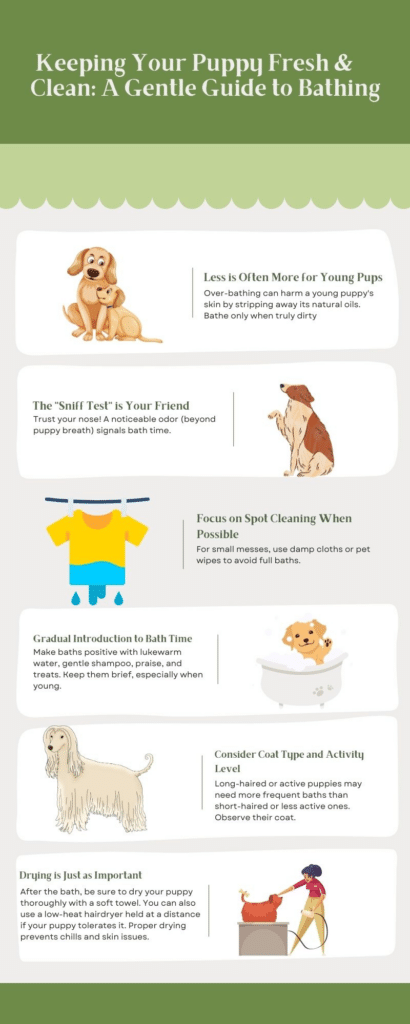
Finally, avoid over-bathing. Most dogs only need a bath every 4–6 weeks unless they get particularly dirty or have skin conditions that require more frequent cleaning. Frequent baths can strip natural oils, leading to dryness and irritation. Post-bath, gently towel-dry your dog and use a blow dryer on the lowest heat setting if necessary, keeping it at a safe distance to avoid burns or excessive drying. Proper technique not only keeps your dog’s coat shiny but also safeguards their skin health for the long term.
Post-Bath Care Strategies to Soothe and Protect Your Dog’s Skin
Post-bath care is often overlooked but is crucial in preventing skin irritation and maintaining skin health. Proper drying, moisturizing, and monitoring can help your dog recover quickly from a bath and keep irritation at bay.
Start by gently patting your dog dry with a soft towel. Vigorous rubbing can cause micro-tears in the skin or exacerbate existing irritation. For dogs with thick coats or long hair, using a blow dryer on a low, cool setting can help eliminate excess moisture quickly, reducing the risk of fungal or bacterial infections. Keep the dryer moving constantly and avoid direct contact with the skin to prevent burns or discomfort.
Applying a dog-safe moisturizer or skin conditioner can be beneficial, especially for dogs with dry or sensitive skin. Look for products formulated specifically for canine skin, such as those containing oatmeal or aloe vera, which soothe and hydrate without clogging pores. These products help restore the skin’s natural barrier and prevent dryness, flakiness, and irritation post-bath.
Finally, observe your dog’s skin after the bath for any signs of irritation, redness, or discomfort. Regularly check for hotspots, swelling, or excessive scratching and consult your veterinarian if you notice persistent issues. Incorporating gentle post-bath care into your routine ensures your dog’s skin remains healthy, soft, and irritation-free, making bath time a positive experience for both of you.
Conclusion
Keeping your dog’s skin healthy and irritation-free after bath time requires a combination of proper preparation, gentle products, correct bathing techniques, and attentive post-care. Understanding the common causes of skin irritation—such as harsh shampoos, allergies, and improper rinsing—helps you avoid these pitfalls. Preparing your dog and environment sets the foundation for a gentle cleaning process, while selecting skin-friendly products ensures your pet’s skin is nourished and protected.
Applying proper bathing techniques and thorough rinsing minimizes residual soap and irritation risk, while mindful post-bath care keeps skin hydrated and soothed. By implementing these tips, you’ll help your furry friend enjoy clean, healthy, and comfortable skin, making bath time a positive experience that contributes to their overall well-being. Remember, every dog is unique, so consult your veterinarian for personalized advice tailored to your pet’s specific skin needs. Happy bathing!