


How to Prevent Tear Stains on White Dogs: Tips for a Cleaner, Happier Pet
If you’re the proud owner of a white dog, you likely cherish their bright, fluffy appearance. However, one common challenge pet owners face is tear stains—those unsightly reddish-brown streaks that can mar your pup’s pristine look. Tear stains not only affect the aesthetic but can also signal underlying health issues or discomfort. Fortunately, with a proactive approach, good hygiene practices, and the right care, you can significantly reduce or even prevent tear stains, helping your dog stay happy, comfortable, and looking their best.
This comprehensive guide dives into the causes of tear stains in white dogs, effective daily cleaning routines, suitable products, nutritional tips, and long-term preventive measures. Whether you’re a new dog owner or looking for ways to improve your pet’s care routine, these insights will help you keep your furry friend looking spotless and feeling great.
Understanding Tear Stains and Their Causes in White Dogs
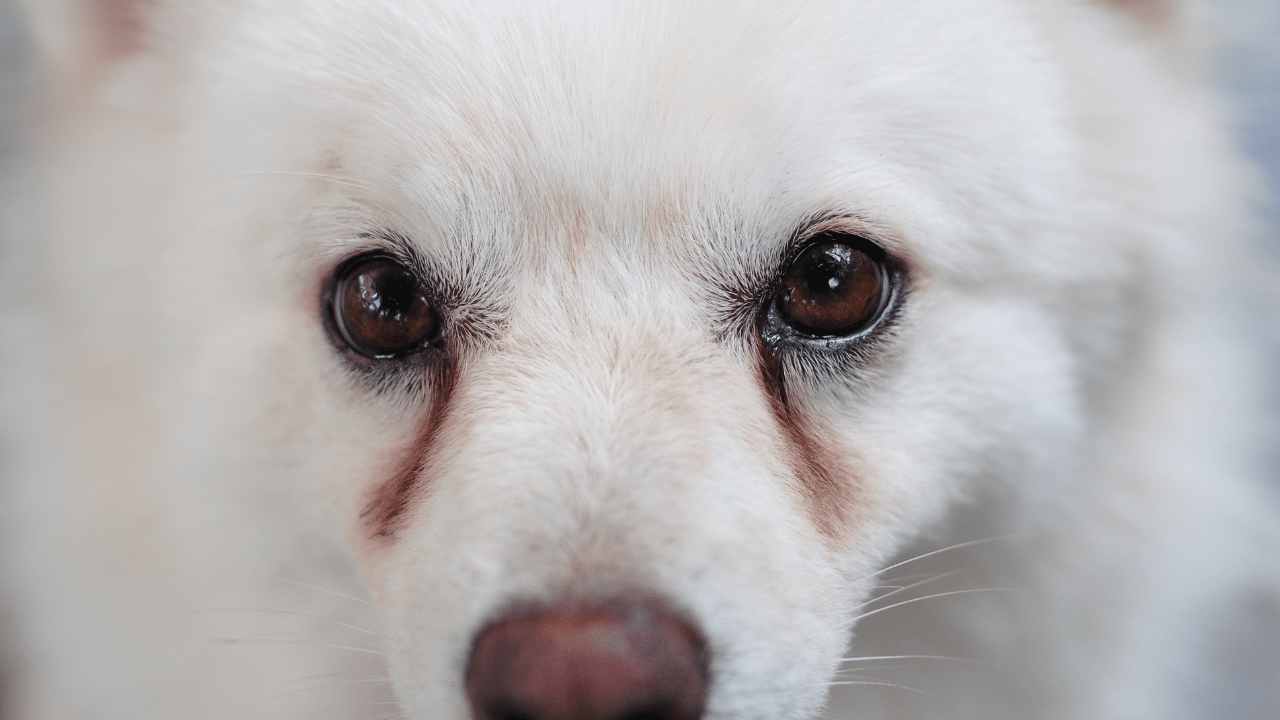
Tear stains are the reddish or brownish discolorations that appear on the fur around a dog’s eyes, especially common in white and light-colored breeds. These stains are primarily caused by excess tear production or inadequate tear drainage, leading to tears accumulating and staining the fur when they come into contact with bacteria, yeast, or dirt. Recognizing the underlying causes is essential for effective prevention and treatment.
One common factor contributing to tear stains is anatomical features. Breeds like Maltese, Poodles, Bichon Frises, and Shih Tzus often have facial structures that predispose them to tear issues—short noses, prominent eyes, or hair growth around the eyes can obstruct normal tear drainage. When tears can’t drain properly through the tear ducts, they spill over the eyelids, causing staining and irritation.
In addition to anatomy, health issues can also lead to excessive tearing. Conditions like allergies, conjunctivitis, or eyelid abnormalities may cause irritation or inflammation, prompting increased tear production. Sometimes, bacterial or yeast infections in the eyes can exacerbate staining, creating a cycle of irritation and discoloration. Therefore, addressing underlying health problems with veterinary guidance is crucial for effective tear stain management.
Environmental factors also play a role. Dusty environments, exposure to smoke, or pollutants can irritate a dog’s eyes, leading to increased tear production. Furthermore, poor grooming or hair around the eyes trapping debris can contribute to bacterial growth, worsening tear stains. Regularly assessing and improving your dog’s environment can help minimize these external contributors.
In summary, understanding the multifaceted causes of tear stains—ranging from anatomy and health issues to environmental factors—is the first step toward effective prevention. Recognizing signs early and consulting a veterinarian can help address underlying problems before they worsen.
Effective Daily Cleaning and Facial Hygiene Practices for White Dogs
Maintaining daily facial hygiene is perhaps the most straightforward and effective way to prevent and reduce tear stains. Regular cleaning helps remove tears, debris, and bacteria that contribute to discoloration and potential infections. Establishing a gentle and consistent cleaning routine can keep your dog’s face fresh, comfortable, and stain-free.
Start by gently wiping around your dog’s eyes with a soft, damp cloth or a specially designed pet wipe. Use warm water or a veterinarian-approved eye cleaning solution to carefully remove tear residues and crusts. It’s best to do this at least once a day, especially if your dog is prone to tear staining. Be cautious not to touch the eyes directly or apply too much pressure, as this can cause discomfort or injury.
For breeds with longer hair around the eyes, regular trimming can prevent hair from trapping dirt and tear residue. Use blunt-tipped scissors or grooming tools to keep the hair short and away from the tear ducts. This not only helps in keeping the area clean but also reduces the likelihood of irritation caused by hair rubbing against sensitive eye tissues.
Additionally, implementing a routine of checking and cleaning your dog’s face after outdoor walks or playtime can prevent dirt, pollen, and other irritants from accumulating. If your dog develops crusts or significant staining, consulting a veterinarian or professional groomer can ensure proper cleaning techniques and hair management. Remember, patience and gentle handling are key to making these routines comfortable and effective for your furry friend.
Proper facial hygiene isn’t just about cleaning; it’s about establishing a routine that promotes your dog’s overall health and happiness. Consistent, gentle care can dramatically reduce tear stains over time, keeping your white dog looking bright and feeling comfortable.
Selecting Appropriate Tear Stain Removal Products and Remedies
Choosing the right products for tear stain removal is vital to safely and effectively maintaining your dog’s bright white coat. Many commercially available options cater specifically to tear stains, but it’s important to select those that are gentle, veterinarian-approved, and suitable for your dog’s skin and coat type.
Pet-safe wipes and cleansers are a good starting point for daily or weekly use. Look for products containing natural ingredients like aloe vera, chamomile, or witch hazel, which soothe the skin and help break down stains without harsh chemicals. Avoid products with artificial fragrances or alcohol, as these can irritate sensitive eye areas or cause adverse reactions.
For more stubborn or persistent stains, specialized tear stain removers such as enzymatic solutions or topical creams may be recommended. These products typically contain enzymes that break down the pigments causing staining, making them effective over time. Always follow the manufacturer’s instructions and consult your vet to ensure compatibility with your dog’s needs. Some products also include conditioning agents that promote healthier skin and fur around the eyes.
In addition to topical options, dietary supplements like probiotics or natural antioxidants can support overall eye health and reduce excessive tearing. Some owners find that adding a small amount of vitamin C or cranberry extract to their dog’s diet can help strengthen tear ducts and improve drainage. However, always discuss supplement use with your veterinarian to determine appropriate dosages and prevent potential interactions.
Remember, consistency is key when using tear stain remedies. Combining gentle cleaning routines with suitable products and nutritional support can lead to noticeable improvements in your dog’s appearance and comfort. Prioritize safety and quality to ensure your pet’s well-being while achieving a cleaner, stain-free look.
Dietary and Nutritional Strategies to Minimize Tear Stains
Many pet owners overlook the significant influence of diet on tear stain development. Proper nutrition not only supports your dog’s overall health but can also play a pivotal role in reducing tear staining and promoting brighter, cleaner fur around the eyes. A balanced diet rich in essential nutrients helps strengthen immune function, skin health, and tear duct function, all contributing to healthier eyes and less staining.
First and foremost, feeding your white dog a high-quality, species-appropriate diet is essential. Grain-free or limited ingredient diets can reduce inflammation and allergies that often trigger excessive tearing. Some dogs are sensitive to certain ingredients like artificial preservatives, dyes, or fillers, which can cause eye irritation and worsen tear stains. Choosing a diet with natural ingredients and minimal additives can make a noticeable difference over time.
Nutritional supplements can also support eye health and tear duct function. For example, adding omega-3 and omega-6 fatty acids—found in fish oil or flaxseed oil—helps reduce inflammation and improve skin and coat quality. Antioxidants like vitamin C, vitamin E, and beta-carotene support immune health and may aid in reducing pigmentation caused by tear staining. Always consult your veterinarian before introducing new supplements to ensure they’re safe and appropriate for your dog’s specific needs.
Additionally, maintaining proper hydration is crucial. Fresh, clean water helps flush toxins from the body and supports the natural tear drainage process. Some owners find that feeding their dog moist food or adding water to dry kibble encourages better hydration. Addressing any underlying health issues that affect tear production, such as allergies or infections, through dietary adjustments can also significantly reduce tear stains. Ultimately, a well-balanced diet tailored to your dog’s breed, age, and health status is one of the best long-term strategies for minimizing tear stains and promoting overall well-being.
Preventive Measures and Long-Term Care for Tear Stain Prevention
Prevention is always better than cure, especially when it comes to tear stains in white dogs. Establishing a proactive, long-term care routine can help minimize the occurrence of staining and keep your pet looking bright and feeling comfortable for years to come. Consistency, early intervention, and addressing underlying health issues are key aspects of successful tear stain prevention.
One of the most effective preventive measures is regular grooming and hair management. Keeping the hair around your dog’s eyes trimmed short prevents debris and hair from trapping dirt and tear residue, which can lead to staining and irritation. Routine grooming sessions, ideally every few weeks, ensure that the area remains clean and reduces the risk of bacterial or yeast buildup. Using a gentle, vet-approved eye cleaning solution during grooming helps maintain hygiene and prevents stain formation from the outset.
Environmental management also plays a significant role. Keeping your home clean and free from dust, pollen, and smoke reduces eye irritation caused by environmental allergens. Using air purifiers or humidifiers can improve indoor air quality, especially if your dog is prone to allergies. Additionally, avoid exposing your pet to excessive outdoor dust or chemicals, and wipe their face after outdoor walks to remove any irritants.
Finally, regular veterinary checkups are essential for early detection and management of underlying health issues that contribute to tear staining. Conditions like infections, allergies, or eyelid abnormalities can be addressed promptly, reducing their impact on tear production and drainage. By working closely with your veterinarian, you can develop a tailored care plan that encompasses hygiene, diet, grooming, and health monitoring. Over time, these preventive strategies can significantly reduce tear stains, giving your white dog a cleaner, happier, and more confident appearance.
Conclusion
Preventing tear stains on white dogs involves a combination of understanding their causes, maintaining diligent hygiene routines, choosing the right products, supporting health through diet, and implementing long-term preventive measures. By paying close attention to your pet’s anatomy, health, and environment, you can address many of the root issues that lead to staining. Regular cleaning, grooming, and a nutritious diet form the foundation of effective stain management—bringing visible results and improving your dog’s comfort.
Long-term care requires consistency and patience, but the rewards are clear: a bright, stain-free coat, healthier eyes, and a happier, more confident pet. Remember, every dog is unique, so working closely with your veterinarian and adjusting your routine as needed will ensure the best care for your furry friend. With love and proper maintenance, you can keep your white dog looking pristine and feeling great for years to come.