


How to Prevent Your Dog from Overheating During Summer Baths
Summer is a wonderful time to enjoy outdoor activities with your furry friend, but it also brings certain challenges—particularly when it comes to keeping your dog safe from heat-related issues. Bath time, in particular, can be a double-edged sword: a necessary grooming routine that helps your dog stay clean and comfortable, but also a potential trigger for overheating if not handled properly. As temperatures rise, it’s crucial to understand how to bathe your dog safely and prevent heat exhaustion or heat stroke. In this article, we’ll explore key strategies to ensure your dog stays cool, comfortable, and safe during summer baths, covering everything from choosing the right water temperature to recognizing signs of overheating.
Understanding the Risks of Overheating During Summer Baths for Dogs
During hot weather, dogs are more susceptible to overheating because they don’t sweat the same way humans do. Instead, they primarily regulate their body temperature through panting and limited sweating via paw pads. When you add a bath to the mix—especially if the water or environment is too warm—the risk of overheating increases significantly. Overheating can lead to heat exhaustion or even heat stroke, which are serious health emergencies for dogs. Recognizing the signs early can make a crucial difference in preventing long-term health issues or fatalities.
Heat-related illnesses often develop quickly, especially during strenuous or prolonged activities like bathing in warm water or in a stuffy environment. If your dog is left in a warm, humid bathroom or if the water is too hot, their core body temperature can spike rapidly. Factors such as breed, size, age, and health status influence a dog’s ability to cope with heat. For example, brachycephalic breeds like Bulldogs or Pugs are more prone to overheating due to their shortened airways. It’s important to understand that even dogs with thick coats or dark-colored fur can be vulnerable to temperature rises during summer baths.
Preventing overheating during baths starts with knowledge—knowing the risks and taking proactive steps. Be mindful of environmental factors such as room temperature, humidity levels, and air circulation. Never leave your dog in a hot bathroom without ventilation, and always monitor their behavior during the bath. Using cool, not cold, water is essential to keep your dog comfortable and safe. By understanding these risks, you can create a bathing routine that helps your dog stay cool and avoids the health dangers associated with heat stress.
Choosing the Right Water Temperature and Bathing Environment for Dogs
Selecting the appropriate water temperature is a cornerstone of safe summer bathing. The goal is to use lukewarm water—around 85°F to 90°F (29°C to 32°C)—which feels comfortable and not chilling or overly warm. Water that’s too hot can rapidly increase your dog’s body temperature, while water that’s too cold can cause discomfort or shock, especially in smaller or older dogs. Test the water with your wrist or elbow before getting your dog in, ensuring it’s comfortably warm but not hot. Adjust as needed, particularly if you notice your dog shivering or trying to escape the bath.
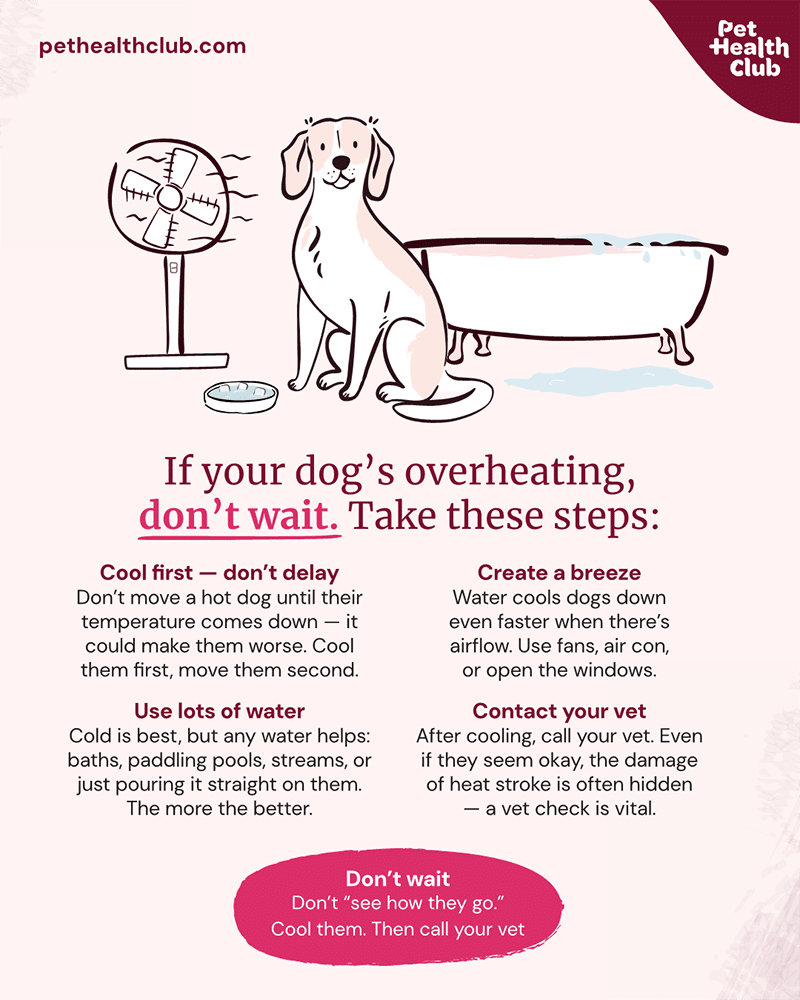
Creating a cool, well-ventilated environment is equally important. Ideally, choose a bathing spot indoors with air conditioning or a fan to help dissipate heat and humidity. If bathing outside, select a shaded area where direct sunlight won’t elevate the temperature further. Avoid humid bathrooms where moisture can trap body heat and hinder cooling. Ensuring good airflow helps prevent heat from building up in the bathing area. Consider timing baths during cooler parts of the day, such as early morning or evening, when outdoor temperatures are lower and your dog’s exposure to sun is reduced.
Additionally, keep your bathing routine short and efficient. The longer your dog remains in water or in a warm environment, the higher their risk of overheating. Have all your supplies ready beforehand to minimize time spent in the bath. Use a non-slip mat to help your dog feel secure, reducing stress and making the process quicker. Incorporating these practices ensures that bathing remains a safe and stress-free experience, even during sizzling summer days.
Techniques for Safely Cooling Dogs During and After Baths
Cooling your dog during and after a summer bath involves more than just water temperature. Implementing specific techniques can help regulate their body temperature effectively. One simple method is to gently apply cool, damp towels to areas with high blood flow—such as the neck, armpits, and groin—where heat is more likely to dissipate. Avoid using ice-cold towels, as extreme cold can cause vasoconstriction and discomfort. Instead, use a cloth dipped in cool water and re-wet it frequently to maintain a steady, comfortable cooling effect.
Another effective technique is to encourage your dog to drink water before, during, and after the bath. Proper hydration is vital in helping your dog regulate their body temperature. You can also provide access to fresh, cool water immediately after the bath, allowing them to hydrate and recover from any heat stress. For dogs prone to overheating, consider using a portable fan or a gentle breeze to aid in evaporation of moisture and promote cooling. Some pet owners utilize cooling vests or bandanas soaked in cool water, which can provide additional heat relief, especially if your dog is very active or has a thick coat.
Post-bath, it’s crucial to monitor your dog closely for signs of overheating, such as excessive panting, drooling, or weakness. If you notice any symptoms pointing to heat stress, take immediate action—move your dog to a cooler area, offer water, and apply cool (not icy) cloths. Providing a calm, shaded environment with good airflow helps the body dissipate residual heat. The goal is to bring your dog’s temperature back to normal gradually, avoiding sudden cooling methods that could cause shock. These techniques, combined with attentive observation, will help ensure your dog remains safe and comfortable during hot weather baths.
Recognizing Signs of Overheating and Preventing Heat-Related Illnesses
Early recognition of heat-related illnesses is vital in preventing serious health consequences for your dog. Common signs of overheating include excessive panting, drooling, rapid heartbeat, weakness, dizziness, or vomiting. In severe cases, your dog may exhibit uncoordinated movements, collapse, or even become unresponsive—symptoms that require immediate veterinary attention. Regularly check your dog’s temperature if you suspect heat stress; a rectal temperature above 103°F (39.4°C) is concerning and warrants prompt cooling measures.
Prevention begins with proactive management before, during, and after baths. Avoid bathing during the hottest parts of the day or when the sun is at its peak, opting instead for early morning or late evening. Keep baths brief and make sure the environment stays cool and well-ventilated. During the bath, continuously observe your dog’s behavior for signs of distress—such as heavy panting or agitation—and be ready to stop or cool them down if necessary. Additionally, always have a plan for emergency cooling, like a spray bottle or cool towels, ready at hand.
Educating yourself about the difference between normal panting and excessive, labored breathing is important. While panting helps dogs cool down, rapid or noisy panting combined with other symptoms signals danger. Regularly monitor your dog’s body temperature, especially if they have thick fur or are brachycephalic breeds. Preventing heat-related illnesses ultimately hinges on vigilance, swift intervention, and adapting your bathing routine to accommodate hot weather conditions. Being proactive helps you safeguard your dog’s health and keeps summer enjoyable for both of you.
Tips for Maintaining a Comfortable and Stress-Free Bathing Routine in Hot Weather
Making bath time a positive experience is easier when you prioritize your dog’s comfort and reduce stress, particularly during hot weather. Start by establishing a calming routine: speak softly, use gentle movements, and offer treats or praise to create a positive association with bathing. Preparing all supplies beforehand and having a clear plan can also minimize anxiety and make the process smoother. When your dog feels secure, they are less likely to become overly stressed or frantic, which can lead to increased body temperature.
Timing is key in hot weather. Schedule baths during cooler times of the day—early morning or late evening—when ambient temperatures are lower and your dog is less at risk of overheating. Keep the bath short and sweet; a quick, efficient wash reduces exposure to heat and minimizes discomfort. Use lukewarm water throughout and avoid splashing water into their face or ears, which can cause distress. After the bath, immediately dry your dog with a towel or a pet-safe blow dryer on a low, cool setting to help them feel comfortable and prevent the damp fur from trapping heat.
Finally, incorporate cooling aids to enhance comfort: provide shade, set up fans if indoors, and consider using cooling mats or bandanas soaked in cool water. Keep fresh water accessible at all times and offer it generously after baths to support hydration. Regularly check in with your dog during and after the process, looking for signs of stress or discomfort, and adapt your routine accordingly. A calm, well-structured bathing routine not only keeps your dog safe from heat exhaustion but also fosters trust and makes future baths easier and more enjoyable for both of you.
Conclusion
Summer baths are an essential part of grooming your dog, but they must be approached with care to prevent overheating. Understanding the risks of heat stress, selecting appropriate water temperatures, and creating a cool environment set the foundation for safe bathing. Employing effective cooling techniques during and after baths, recognizing early signs of overheating, and maintaining a stress-free routine are all vital steps in ensuring your dog’s health and happiness. By taking these precautions, you can enjoy the summer months together while keeping your furry friend safe from the dangers of heat-related illnesses. Remember, a little preparation and vigilance go a long way in making summer bathing a positive experience for your dog!