


How to Prevent Your Smelly Dog: Effective Tips for Freshness
Every dog owner loves their furry friend, but nobody enjoys dealing with a persistent, unpleasant odor. A smelly dog can be caused by a variety of factors—from skin issues to diet and environment. Fortunately, with a little proactive care, you can keep your dog smelling fresh and clean, ensuring both their comfort and your household’s pleasantness. This article explores practical, well-researched tips on how to prevent your dog from developing that unmistakable “dog smell” and maintain their overall hygiene. We’ll cover everything from understanding the root causes of odor to establishing effective grooming routines and maintaining a healthy environment.
Understanding the Causes of Dog Odor and When It Becomes a Problem
Before jumping into solutions, it’s important to understand what causes dog odor in the first place. Not all smells are created equal; some are normal and manageable, whereas others signal underlying health issues. Typically, a mild dog smell is natural—think of it as a “dog scent” that’s part of their character. However, when the smell becomes overpowering or persistent, it often indicates a problem.
One common cause of bad odor is skin infections or allergies, which can result in excessive oil production, redness, and foul-smelling discharge. Dogs with skin conditions often have a greasy coat that traps dirt and bacteria, leading to a stronger smell. Another culprit is poor grooming, where dirt, loose hair, and debris accumulate over time, creating an environment for bacteria and fungi to thrive. Additionally, bad breath can contribute significantly to overall odor; dental diseases such as periodontal issues are common in dogs and produce a surprisingly foul smell.
Environmental factors also play a role. Dogs who spend lots of time outdoors may roll in things that cause a quick, yet intense, smell—like mud, decaying matter, or other animals’ scents. Plus, if a dog isn’t regularly cleaned or groomed, natural oils and sweat can build up, resulting in a more pungent odor. Recognizing when your dog’s smell is simply normal versus when it signals a health concern is crucial. If your dog’s odor is accompanied by itching, hair loss, dull coat, or skin redness, it’s wise to consult a vet. Addressing odor early not only keeps your dog smelling fresh but also ensures their health isn’t compromised.
Establishing a Regular Bathing and Grooming Routine for Your Dog
Consistency is key when it comes to keeping your dog smelling delightful. Establishing a regular bathing routine tailored to your dog’s breed, coat type, and activity level can make a world of difference. Generally, most dogs benefit from a bath every 4 to 8 weeks. Over-bathing, however, can strip natural oils, leading to dry skin and potential odor issues, so it’s essential to find a sweet spot. Use a high-quality, vet-recommended dog shampoo suited for your dog’s skin type—whether it’s sensitive, oily, or dry.
When bathing your dog, start by thoroughly wetting their coat with lukewarm water. Use a gentle, nourishing shampoo and work it into a rich lather, paying special attention to areas prone to odor—such as the ears, paws, and tail base. Rinse thoroughly to remove all shampoo residue, as leftover product can cause irritation and smell. After the bath, thoroughly dry your dog with a towel or a low-heat blow dryer to prevent moisture from lingering, which can promote bacterial growth. Regular grooming, including brushing, helps remove loose hair, dirt, and dead skin cells, all of which contribute to odor if left unattended.
Beyond baths, routine brushing also plays a critical role in odor control. For long-haired breeds, daily brushing prevents matting and dirt buildup, while short-haired breeds benefit from weekly grooming to distribute natural oils and remove debris. Regularly trimming around the paws, ears, and sanitary areas can prevent bacteria and yeast from taking hold. Incorporate grooming into your weekly schedule and reward your dog to make it a positive experience, reducing stress and promoting consistent hygiene habits. A well-maintained coat not only looks good but also significantly reduces the likelihood of smelly problems.
Implementing Effective Skin and Coat Care Practices
Your dog’s skin health directly impacts their overall smell. A healthy, well-maintained coat acts as a natural barrier against dirt, bacteria, and fungi, all of which can contribute to unpleasant odors. To support optimal skin and coat health, consider incorporating specialized grooming products and nutritional supplements into your routine. For example, omega-3 fatty acids—found in fish oil supplements—are known to improve skin moisture and coat shine, helping to reduce excessive oil production and associated odors.
Regularly inspecting your dog’s skin is also vital. Look for signs of redness, bumps, flaky patches, or foul smell, which could indicate infections, allergies, or parasitic infestations. If your dog has allergies, switching to hypoallergenic shampoos or consult your veterinarian about medicated options. Using antibacterial or antifungal shampoos periodically can help manage skin infections that cause persistent odors, especially if your dog is prone to dermatitis. Be cautious to avoid overuse, as harsh products may disrupt your dog’s natural skin barrier.
Maintaining the health of your dog’s coat also involves brushing techniques that distribute natural oils evenly and remove loose hair and debris. For dogs with oily or greasy coats, more frequent bathing may be necessary, but always follow your vet’s advice on suitable products and frequencies. Additionally, consider routine ear cleaning and checking, as ear infections can produce a strong smell and discomfort. Use vet-recommended ear cleaners to prevent wax buildup and infections. Remember, a clean, healthy coat is not just about aesthetics—it’s a key component of odor control and your dog’s overall wellbeing.
Maintaining a Clean and Odor-Free Living Environment for Your Dog
Your dog’s environment plays a crucial role in odor management. Regularly cleaning your dog’s bedding, toys, and living spaces can drastically reduce the buildup of dirt, dust, and bacteria that contribute to foul smells. Wash dog beds, blankets, and plush toys weekly in hot water with pet-safe detergents. Vacuum carpets and upholstery frequently—at least once a week—to remove embedded fur, dander, and dirt that can harbor odor-causing microbes.
Creating a dedicated, easily cleanable space for your dog can simplify maintenance. Use washable mats or tiles in feeding areas and around resting spots to prevent stains and odors from food spills or accidents. Keep your dog’s food and water bowls clean, washing them daily with hot water and pet-safe disinfectants. Proper sanitation reduces the risk of bacterial or yeast growth that can produce unpleasant smells. Also, ensure proper ventilation in your home; fresh air helps dissipate any lingering odors and keeps the environment healthier.
In addition to cleaning routines, monitor your dog’s outdoor environment. Regularly sweep or rake outdoor areas where your dog spends time, removing debris, mud, and organic matter that can bring dirt inside or cause odor. If your dog spends a lot of time outdoors, rinsing or wiping down their paws and coat before bringing them inside can prevent dirt from spreading. A clean, well-ventilated living space not only keeps your home smelling fresher but also promotes your dog’s health by reducing exposure to potential allergens or irritants.
Using Appropriate Dental and Ear Hygiene Strategies to Reduce Unpleasant Smells
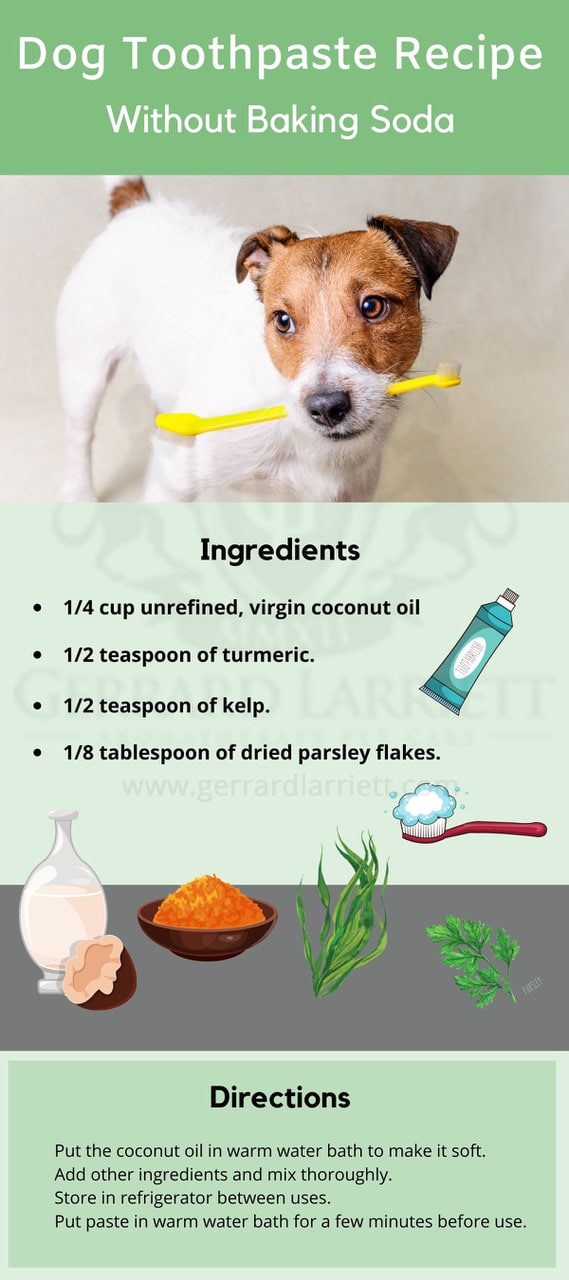
A significant source of bad odor in dogs often comes from their mouth and ears. Dental hygiene is crucial because plaque buildup and periodontal disease are common in dogs and produce an unmistakable foul smell. Brushing your dog’s teeth daily or at least several times a week with vet-approved pet toothpaste can prevent plaque accumulation. Providing dental chews or toys designed to promote oral health also helps reduce bacteria in the mouth. Regular veterinary dental check-ups and professional cleanings may be necessary for dogs prone to dental issues.
Ear health is equally important in odor control. Dogs with floppy ears or those who spend considerable time outdoors are more susceptible to ear infections, which often produce a strong, unpleasant smell. Routine ear cleaning using vet-recommended solutions helps prevent wax buildup, yeast, and bacterial infections. When cleaning your dog’s ears, gently wipe the visible part of the ear with a soft cloth or cotton ball dampened with cleaner—avoid inserting anything deep into the ear canal, which can cause injury. If you notice redness, swelling, or a persistent odor despite cleaning, consult your veterinarian promptly.
Lastly, maintaining overall hygiene around the mouth and ears prevents bacteria and fungi from flourishing, thereby reducing foul smells. Incorporate these cleaning practices into your regular grooming routine, and always use products specifically formulated for dogs. Keeping their oral and ear health in check not only prevents bad odors but also contributes to their overall health and comfort. A fresh-smelling dog is a happy, healthy companion—and a testament to your attentive care.
Conclusion
Preventing your dog from developing a persistent, unpleasant smell involves a comprehensive approach that combines proper grooming, skin care, environmental cleanliness, and health maintenance. Understanding the causes of odor helps you identify when it’s normal versus when it signals a health problem that needs veterinary attention. Establishing a consistent bathing and grooming routine tailored to your dog’s specific needs ensures their coat remains clean and healthy, reducing odor-causing bacteria and dirt buildup. Implementing effective skin and coat care practices—including diet, supplements, and regular inspections—can significantly improve your dog’s natural scent.
Maintaining a clean, odor-free living environment is equally important. Regularly wash bedding, vacuum, and disinfect living spaces to eliminate sources of bad smells. Lastly, focusing on dental and ear hygiene helps combat two common sources of dog odor—bad breath and ear infections—that can otherwise be overlooked. By adopting these targeted strategies, you’ll not only keep your dog smelling fresh but also promote their overall health and happiness. Remember, a clean, well-cared-for dog is a joyful companion—and a lot easier to snuggle without holding your nose!