


How to Properly Brush Fur That’s Frequently Matted: Tips for a Healthy Coat
Dealing with matted fur is a common challenge for pet owners and grooming enthusiasts alike. Whether you have a long-haired dog, a fluffy cat, or any animal with dense or curly fur, mats can develop quickly if not addressed properly. Mats not only look unkempt but can also lead to discomfort, skin irritation, or even infections if left untreated. The good news is, with the right techniques, tools, and preventive care, you can manage and maintain a healthy, mat-free coat. In this article, we’ll explore why fur becomes matted, how to effectively remove heavy mats, and best practices to keep fur smooth in the long run.
Understanding Why Fur Becomes Frequently Matted in Brushes and Grooming Tools
Mats are tangles of hair that clump together and can tighten into dense knots, often forming around areas with high friction or where grooming is less frequent. One of the main reasons fur becomes matted in brushes and grooming tools is due to the natural shedding process. When loose hair isn’t properly removed, it can intertwine with new hair growth, creating the perfect environment for mats to develop. Additionally, some grooming tools, especially those with dull blades or inadequate bristle arrangements, can pull or snag hair rather than smooth it out, exacerbating the problem.
Other factors contributing to matted fur include the breed and coat type of your pet. Animals with long, curly, or thick coats are more prone to mats because their hair tends to tangle easily. Environmental elements such as moisture from baths or outdoor activities can also make fur more prone to matting—wet fur is heavier and more elastic, making it easier for tangles to form. Moreover, if grooming is infrequent or inconsistent, mats have a chance to develop and worsen over time. Recognizing how grooming tools and brushing habits influence fur health is key to preventing excessive matting.
It’s also worth noting that certain health issues, like skin infections or allergies, can cause discomfort that discourages pets from grooming themselves or resisting brushing, leading to more tangled fur. Pet owners must be attentive to both grooming practices and underlying health factors to maintain a coat that’s healthy and free of mats. Overall, understanding the interaction between grooming tools, coat characteristics, and environmental factors can help you take proactive steps to prevent frequent matting.
Identifying Common Causes and Factors Contributing to Matted Fur
Identifying the root causes of matted fur is essential to managing and preventing future problems. One of the most common contributors is inadequate or inconsistent grooming routines. Pets with long or curly hair require regular brushing—often daily—to remove loose fur and prevent tangles from forming. Skipping or delaying grooming sessions allows mats to develop, which can become painful or difficult to remove later on. Owners often underestimate how quickly fur can tangle, especially around sensitive areas like behind the ears, underarms, or on the belly.
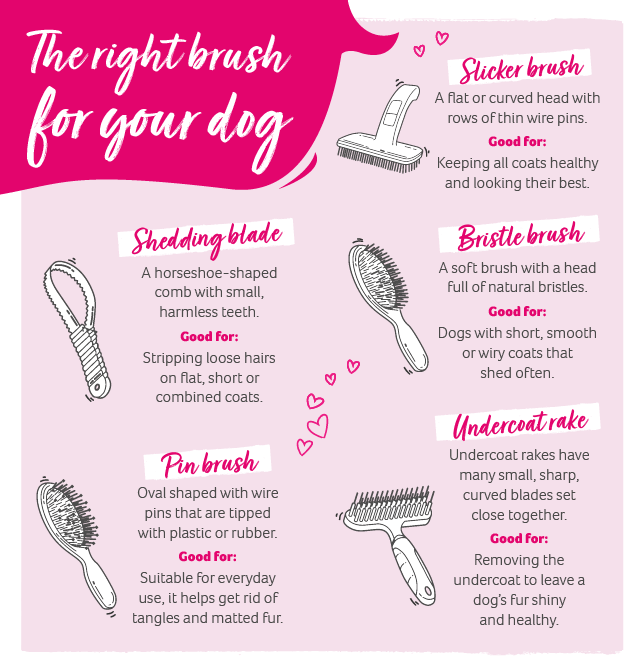
Another significant factor is the use of inappropriate grooming tools. Using dull brushes, fine-toothed combs, or harsh tools can pull at the fur, causing discomfort and leading to more tangles. Conversely, using the right tools—such as slicker brushes, wide-tooth combs, or undercoat rakes—can efficiently untangle fur without discomfort. Furthermore, the technique employed during brushing matters; aggressive or hurried brushing can worsen mats and scare pets, making grooming sessions more stressful and less effective.
Environmental conditions also play a role. Pets that frequently get wet or muddy and are not properly dried or brushed afterward are at higher risk for matting. Similarly, outdoor activities that expose pets to dirt, debris, or loose plant fibers can accelerate mat formation if not promptly addressed. Factors like coat type, breed-specific tendencies (for example, Poodles or Yorkies), and skin health issues further influence how quickly mats form. Recognizing these common causes allows pet owners to implement targeted strategies to keep their pet’s fur healthy and tangle-free.
Effective Techniques for Detangling and Removing Heavy Mats from Fur
When you encounter heavy mats, it’s crucial to approach detangling carefully to avoid hurting your pet or worsening the problem. The first step is to assess the severity of the mats. Light mats may be gently brushed out with a slicker brush or comb, but tight, large mats often require a more delicate, step-by-step approach. To begin, always ensure your tools are clean and suitable for the task—dull or improper tools can cause pain or skin damage.
One proven technique involves clipping or cutting the mats if they are too tight or painful to untangle. Using blunt-ended scissors or grooming shears, carefully trim small sections of the mat, taking care not to cut the skin. This approach prevents pulling on the hair and minimizes discomfort. After removing the bulk of the mats, you can proceed with gentle brushing, applying a detangling spray or conditioner to loosen remaining tangles. It’s often helpful to work from the tips of the hair inward, gradually loosening knots without pulling harshly on the roots.
For stubborn mats that are close to the skin, patience is key. Use a detangling spray or conditioning mist to lubricate the fur and reduce friction. You can also use your fingers to gently loosen the fibers before brushing. If you’re unsure or if the mats are particularly severe, consulting a professional groomer is advisable. They have specialized tools and experience that can make the process safer and more comfortable for your pet. Remember, always reward your pet with treats and praise to make grooming a positive experience.
Preventive Grooming Practices to Minimize Future Matted Fur
Prevention is the best strategy when it comes to matted fur. Establishing a consistent grooming routine tailored to your pet’s coat type helps reduce the chances of tangles forming. For long-haired or curly-coated animals, daily brushing is often necessary—using appropriate tools like slicker brushes, pin brushes, or undercoat rakes. Regular grooming not only keeps fur smooth but also promotes healthy skin by stimulating blood flow and distributing natural oils throughout the coat.
In addition to frequent brushing, incorporating bathing and conditioning into your grooming schedule is beneficial. Using a gentle, moisturizing shampoo and applying a conditioner or detangling spray can soften the fur, making it easier to manage. After bathing, thorough towel drying and blow-drying on a low heat setting help prevent fur from remaining wet and prone to matting. Regularly checking and trimming fur around sensitive areas—such as the ears, paws, and belly—also helps prevent mats from forming in difficult-to-reach spots.
Another key preventive measure involves training your pet to tolerate grooming from a young age. Positive reinforcement, such as treats and praise, encourages cooperation and reduces stress during grooming sessions. Creating a calm environment, using gentle handling, and making grooming sessions enjoyable can turn what might be a dreaded chore into a bonding experience. Lastly, scheduling regular visits to professional groomers ensures your pet’s coat remains in optimal condition, especially if the coat is prone to matting or if you’re unsure about trimming or brushing techniques.
Recommended Products and Tools for Managing and Maintaining Smooth, Mat-Free Fur
The right grooming tools can make a significant difference in managing matted fur and maintaining a healthy coat. For daily or frequent grooming, a high-quality slicker brush with fine and coarse bristles effectively removes loose hair and prevents tangles. Wide-tooth combs are ideal for detangling larger mats or working through thick coats carefully. For pets with undercoats, an undercoat rake can help remove dead hair without damaging the topcoat, reducing the risk of mats forming underneath.
In cases of severe mats, grooming scissors with rounded tips are essential for safe trimming. These tools allow precise, controlled cuts to remove tight knots without risking injury. Detangling sprays or leave-in conditioners are helpful in softening fur, making it easier to brush out mats gently. Some popular products include de-matting sprays that lubricate fur and reduce pulling, as well as soothing pet shampoos designed for sensitive skin.
Consider investing in grooming gloves or mitts, which can be used to remove loose fur and dirt while providing a relaxing experience for your pet. Regularly replacing worn or dull brushes ensures your grooming routine remains effective and comfortable. Additionally, using a high-quality pet-specific shampoo with moisturizing properties supports overall coat health. Combining these tools and products with a consistent grooming schedule will help keep your pet’s coat smooth, shiny, and free of mats, promoting overall well-being and comfort.
Conclusion
Managing frequently matted fur requires a combination of understanding the causes, employing effective techniques, and adopting proactive grooming habits. Recognizing why fur becomes tangled—whether due to coat type, grooming practices, or environmental factors—helps you to address the root issues. When heavy mats develop, careful detangling, trimming, and patience are essential to minimize discomfort and prevent skin damage. Preventive practices such as regular brushing, proper bathing, and establishing a positive grooming routine are key to avoiding future mats and maintaining a healthy, shiny coat.
Choosing the right grooming tools and products further simplifies the process and enhances your pet’s comfort. Remember, consistency and gentle handling turn grooming from a chore into a bonding opportunity. By taking these proactive steps, you can ensure your pet’s fur remains healthy, beautiful, and free of mats. Ultimately, a well-maintained coat not only boosts your pet’s appearance but also contributes to their overall health and happiness. So, stay diligent, be patient, and enjoy the journey toward a happier, healthier coat for your furry friend!