


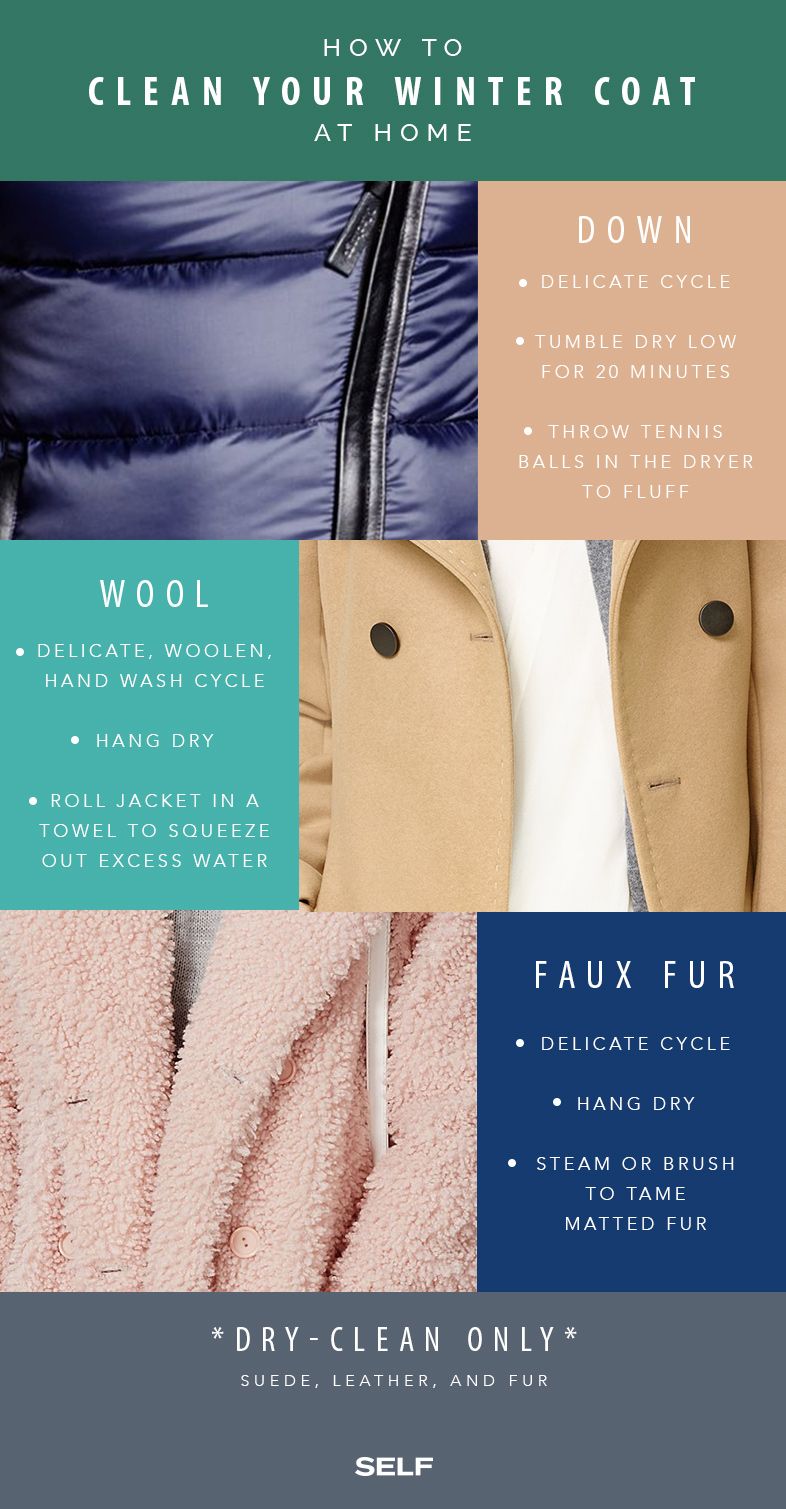
How to Properly Care for Coats Exposed to Dust Daily: Tips & Cleaning Advice
If you’re someone who wears coats regularly—whether for work, fashion, or warmth—you know that they’re often exposed to the elements, including daily dust. Dust particles can settle into the fabric fibers, gradually dulling the coat’s appearance and potentially damaging the material over time. The good news is, with proper care and cleaning strategies, you can keep your coats looking fresh, clean, and well-maintained even after frequent dust exposure. This article sheds light on the impact of daily dust, effective cleaning methods, preventative tips, storage solutions, and long-term maintenance to ensure your coat stays in prime condition.
Understanding the Impact of Daily Dust Exposure on Coats
Dust is an unavoidable part of daily life—coming from indoor environments, outdoor pollution, pollen, and even skin particles. When coats are exposed to dust regularly, the particles settle on the fabric surface, causing a range of issues. Over time, dust can lead to a dull appearance, loss of fabric integrity, and in some cases, staining if the dust contains dirt or pollutants. Understanding these impacts helps emphasize the importance of regular maintenance.
Frequent dust accumulation can also trap moisture and oils from your skin, which may cause fabric fibers to weaken or degrade faster. For delicate materials like wool, cashmere, or certain synthetics, dust particles can work their way into the fibers, leading to pilling or fabric fraying. Additionally, dust can carry allergens, dust mites, or pollutants that exacerbate skin sensitivities or respiratory issues when inhaled close to the coat’s surface. Recognizing that dust isn’t just a surface concern but a potential contributor to fabric deterioration underscores the need for consistent cleaning.
Moreover, dust can interfere with the coat’s aesthetic appeal. Visible dust particles dull the coat’s color, making it look old or neglected, especially on darker fabrics. This is particularly problematic if you’re using your coat for professional or social occasions where appearance matters. Regularly understanding and addressing the impact of dust can help extend the lifespan of your coat, preserve its appearance, and maintain its comfort and functionality over time.
Effective Cleaning Techniques for Dust-Accumulated Coats
Cleaning coats exposed to dust daily requires a gentle yet effective approach to preserve fabric quality. The first step is to determine the fabric type—wool, cotton, synthetic, leather, or blended materials—as each demands specific cleaning methods. For most fabrics, light brushing and surface cleaning are sufficient for removing dust without causing damage.
One of the most accessible tools is a soft-bristled clothing brush or a lint roller. Gently brushing the coat in a downward direction helps lift dust particles from the surface and reduces the risk of pushing dirt deeper into the fibers. For coats with delicate or sensitive fabrics, a vacuum cleaner with a brush attachment on low suction can also work effectively, removing dust without abrasion. Make sure to cover all areas, including seams and underarm regions, where dust tends to accumulate.
For more thorough cleaning, especially if dust has been built up over time, a fabric-safe upholstery cleaner or a mild detergent diluted with water can be used. Spot clean with a damp cloth or sponge, carefully blotting rather than rubbing to avoid damaging fibers. For coats that can be dry cleaned, taking them to a professional cleaner regularly—every few months or after significant dust exposure—is highly recommended. Dry cleaning not only removes dust but also refreshes the fabric and maintains its original shape and texture.
In cases of stubborn dust or light stains, steam cleaning can be a game-changer. Steaming helps loosen embedded dust particles and refreshes the fabric, especially for wool and synthetics. Hold the steamer a few inches away from the coat and move slowly across the surface, avoiding prolonged exposure to prevent moisture build-up. Always follow the manufacturer’s cleaning instructions for your specific coat to avoid accidental damage.
Preventative Measures to Protect Coats from Dust Damage
Prevention is always better than cure, especially when it comes to maintaining your coat’s appearance and durability. One of the most effective preventative measures is to minimize dust contact by avoiding dusty environments whenever possible. When heading into dusty areas—like construction zones, outdoor windy spaces, or polluted streets—consider wearing a protective cover or wrapping your coat in a breathable garment bag.
Using a dedicated coat hanger or hook can also help prevent dust accumulation at the base of the coat, encouraging proper airflow and reducing contact with dust particles settling on surfaces. Regularly shaking out or lightly brushing your coat after outdoor wear can dislodge loose dust before it settles further into the fabric. Remember, the sooner dust is removed, the less likely it is to embed into fibers or cause long-term damage.
Another preventative tip is to apply fabric protectors or water-repellent sprays suitable for your coat’s material. These products create a protective barrier that repels dust, dirt, and moisture, making future cleaning easier and reducing the risk of staining. Be sure to follow the instructions carefully and choose products compatible with your coat’s fabric.
Lastly, maintaining a clean and dust-free living environment reduces the overall amount of dust settling on your coat. Regular dusting of your home, using air purifiers, and washing bedding frequently can significantly cut down the amount of indoor dust that your coats are exposed to daily. Small steps like these can make a big difference in prolonging your coat’s pristine condition.
Proper Storage Solutions for Maintaining Coat Quality in Dusty Environments
Proper storage plays a pivotal role in protecting your coats from dust and environmental damage. When not in use, hanging your coat on a sturdy, padded hanger prevents creases and maintains its shape. Avoid wire hangers, which can distort fabric fibers over time. Store coats in breathable garment bags or covers that allow air circulation while shielding them from dust, light, and pollutants.
In dusty environments, storing coats in a dedicated, dust-proof closet or wardrobe is ideal. If space is limited, consider investing in closet organizers with sealed compartments or containers designed specifically for clothing storage. This helps keep dust, dirt, and even moths away from your coats, especially important for delicate materials like wool or cashmere.
Temperature and humidity control are also crucial. Excessive humidity can promote mold growth, while dry air can make fabric fibers brittle. Use dehumidifiers or air conditioners to maintain consistent conditions in your storage space. Additionally, periodically airing out stored coats—ideally outdoors on a dry, sunny day—helps eliminate any residual dust or odors and keeps them fresh.
Finally, avoid overcrowding in storage areas. Crowding can cause fabric friction, leading to pilling or fiber breakage over time. Give your coats enough space to breathe, and consider using individual garment bags for high-value or seasonal coats. Proper storage not only keeps dust at bay but also preserves the overall quality and longevity of your coats.
Tips for Long-Term Coat Care and Maintenance After Dust Exposure
Long-term coat care involves consistent routines that go beyond immediate cleaning. Regularly inspecting your coats for signs of dust buildup, fabric wear, or minor stains allows you to address issues early before they become problematic. This proactive approach ensures your coat remains in great condition over the years.
One key tip is establishing a seasonal cleaning schedule that includes light brushing, minor spot cleaning, and professional dry cleaning when necessary. This routine helps remove dust, oils, and dirt accumulated over time, keeping fibers strong and vibrant. Remember, gentle handling during cleaning prevents unnecessary wear and tear.
Conditioning and replenishing fabric health is also vital. For wool and cashmere coats, using fabric conditioners or softening sprays designed for delicate fabrics can restore suppleness and reduce pilling caused by dust abrasion. For leather coats, applying conditioning treatments maintains suppleness and prevents cracking, especially when exposed to dust and pollutants.
Finally, always follow the manufacturer’s care instructions and consult professional cleaners for specialized coats or heavy dust accumulation. Investing in good-quality storage solutions, routine cleaning, and timely maintenance can dramatically extend your coat’s lifespan, keeping it looking elegant and feeling comfortable for years to come. Remember, consistent care is the secret to protecting your wardrobe investment.
Conclusion
Keeping your coats pristine despite daily dust exposure is achievable with the right knowledge and habits. Understanding how dust impacts fabric integrity and appearance highlights the importance of regular cleaning and preventative measures. Using gentle cleaning techniques like brushing, vacuuming, and professional dry cleaning can effectively remove dust without damaging delicate fibers. Implementing preventative strategies—such as protective coverings, strategic storage, and dust-repellent sprays—can greatly reduce dust accumulation.
Proper storage solutions, including breathable garment bags and controlled environments, are vital for long-term preservation. A thoughtful maintenance routine, combined with periodic inspections and conditioning, ensures your coats stay in top shape for years. By adopting these tips and cleaning advice, you’ll extend the lifespan of your favorite outerwear, maintaining both its beauty and functionality despite the daily challenges of dust exposure.
Taking small, consistent steps in coat care not only preserves the fabric but also adds to your overall wardrobe longevity. So, next time you step out into a dusty world, remember these practical tips to keep your coats looking their best—because a well-maintained coat is always worth the effort.