


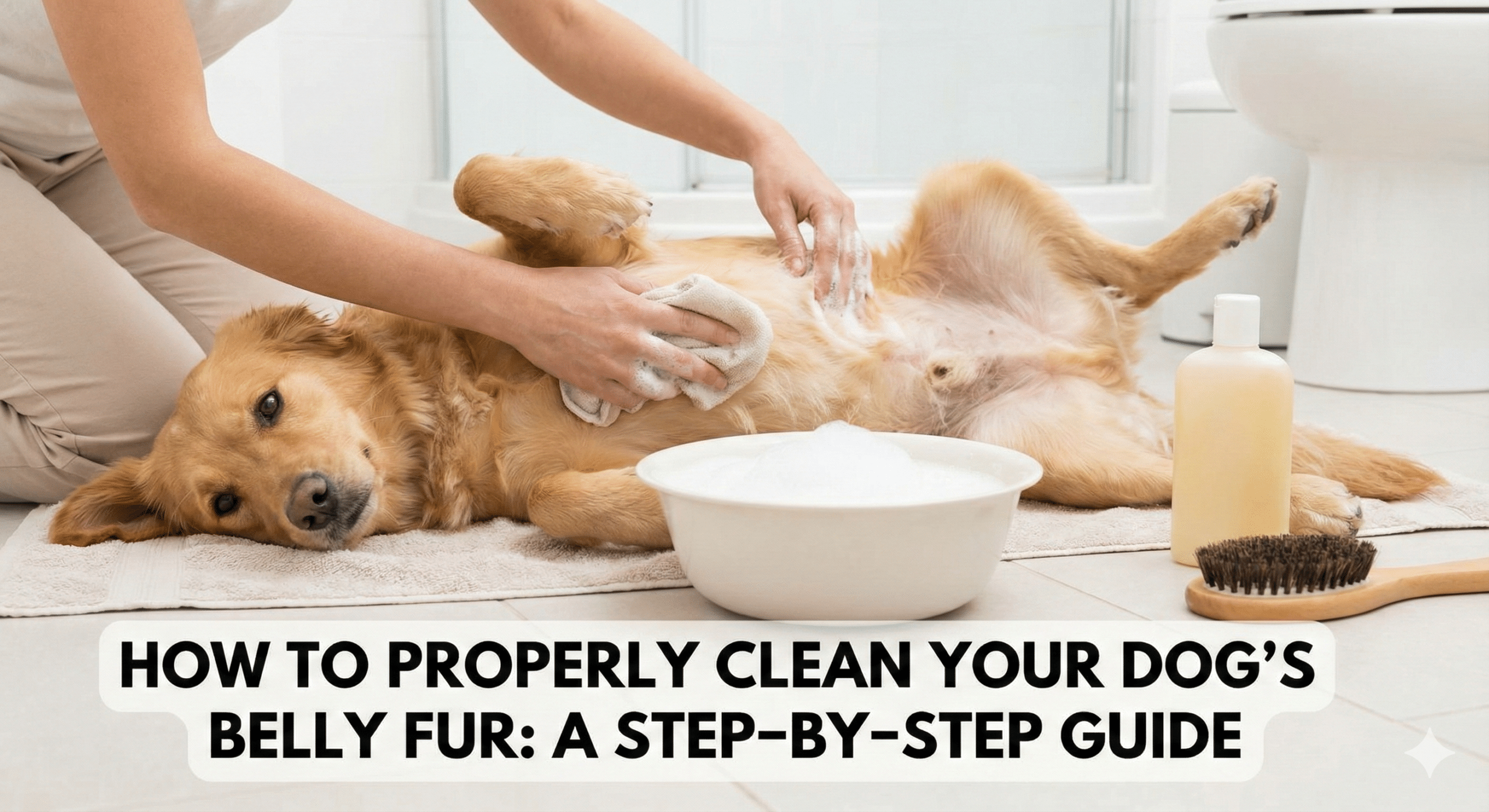
How to Properly Clean Your Dog’s Belly Fur: A Step-by-Step Guide
Caring for your dog’s overall health goes far beyond just feeding them and taking them for walks. Regular grooming, especially cleaning sensitive areas like the belly fur, plays a crucial role in maintaining your furry friend’s hygiene and comfort. The belly area can often be overlooked, yet it’s prone to dirt, mats, and even skin infections if not kept clean. This guide will walk you through everything you need to know about how to properly clean your dog’s belly fur, from preparing for the session to tips for ongoing care. Whether you’re a first-time dog owner or just looking to refine your grooming routine, this comprehensive guide helps you approach belly fur cleaning with confidence and care.
Preparing for a Belly Fur Cleaning Session
Before diving into cleaning your dog’s belly fur, it’s essential to set the stage properly. Preparation ensures the process is safe, stress-free, and effective for both you and your dog. First, choose a calm, quiet environment that minimizes distractions and allows your dog to feel secure. Dogs are often sensitive to new scents, sounds, or hectic surroundings, which can make grooming difficult. A familiar space like a bathroom, laundry room, or a designated grooming area works best for most pet owners.
Next, consider your dog’s temperament and comfort. If your dog is nervous or anxious about baths or grooming, plan to go slowly and use positive reinforcement. Bring along treats, praise, or their favorite toy to create a positive association with the cleaning process. It’s also beneficial to check your dog’s health beforehand—if your dog has any skin irritations, wounds, or infections, consult your veterinarian before proceeding. Properly preparing your dog mentally and physically helps ensure a smooth, stress-free cleaning experience.
Lastly, plan the timing of your grooming session. After a walk or playtime, your dog may be dirtier, making it a good time to clean the belly fur. Conversely, avoid cleaning immediately after meals to prevent discomfort. Ensure the room is warm and draft-free, especially if your dog has short or thin fur that can get cold easily. Preparing your mind and environment ahead of time makes the cleaning process more manageable and enjoyable for everyone involved.
Gathering Necessary Supplies and Setting Up a Safe Environment
Having the right supplies at hand makes all the difference in achieving a thorough and safe belly fur cleaning. Essential tools include a gentle dog-specific shampoo, a soft brush or comb, a large towel, and possibly a non-slip mat for the bathing area. Using a mild, canine-formulated shampoo helps prevent skin irritation, especially since the belly area is often sensitive. Avoid human shampoos, which can be too harsh for dog skin, and consider hypoallergenic options if your dog has sensitive skin.
In addition to grooming products, prepare cleaning accessories like a spray bottle filled with water, cotton balls or soft cloths, and an extra towel for drying. If your dog tends to be wriggly, consider using a grooming restraint or a non-slip mat in the bathing area to keep them steady and safe. Never leave your dog unattended during the cleaning process, especially if you’re using water or other liquids. Ensuring your environment is safe, controlled, and comfortable minimizes accidents and stress during grooming.
Creating a safe environment also involves checking the temperature of the water—lukewarm water is ideal, as hot water can cause discomfort or burns, while cold water may make your dog reluctant to stay still. Make sure the space is free of hazards like sharp objects, electrical cords, or slippery surfaces. Having everything set up before starting helps the session go smoothly and keeps your dog calm and cooperative, turning grooming into a positive bonding experience.
Step-by-Step Technique for Cleaning a Dog’s Belly Fur
Now that you’re prepared, it’s time to get down to the actual cleaning. Start by gently placing your dog on the non-slip mat or in your prepared area. Use treats and soothing words to keep your dog relaxed. Before applying any water or shampoo, brush your dog’s belly fur lightly to remove loose dirt, debris, or tangles. This step prevents matting and makes the subsequent washing more effective.
Apply a small amount of dog-specific shampoo to your hands and gently lather the belly fur, avoiding the face, ears, and genital area. Use your fingers or a soft cloth to massage the shampoo into the fur and skin, making sure to reach all areas—particularly folds, underbelly, and around the hips. Take care not to scrub too hard, especially if your dog has sensitive skin. Keep the water lukewarm and rinse thoroughly, ensuring no shampoo residue remains, as leftover soap can cause irritation or itching.
After rinsing, gently squeeze out excess water and pat your dog’s belly fur dry with a soft towel. If your dog tolerates it, use a blow dryer on a low, cool setting to speed up the drying process, but always keep the nozzle at a safe distance. As you dry, continue to inspect the skin for signs of irritation, redness, or unusual odors. This step-by-step technique ensures your dog’s belly fur is clean, healthy, and free of irritants, contributing to their overall well-being.
Tips for Drying and Maintaining Cleanliness After the Bath
Proper drying is essential to prevent moisture from lingering on your dog’s skin, which can lead to infections or skin issues. After towel drying, ensure the belly fur is thoroughly dried—especially in wrinkles, folds, or areas prone to trapping moisture. Use a soft towel and gently pat the fur rather than rubbing vigorously, which can cause discomfort or matting. For dogs with thicker or longer fur, a blow dryer on a cool setting can help remove residual dampness more efficiently.
Maintaining cleanliness after the bath involves regular brushing and checking the belly area for signs of dirt or mats. Incorporate routine grooming into your weekly schedule to keep the fur manageable and free of tangles. If your dog has a tendency to get dirty or muddy, consider using dog wipes or a damp cloth to spot-clean the belly area between baths. It’s also helpful to keep your dog away from muddy yards or dirty surfaces immediately after cleaning, to prolong the freshness and cleanliness.
Additionally, keeping the environment clean can prevent dirt from accumulating on your dog’s belly. Regularly wash bedding, towels, and grooming tools to minimize bacteria or dirt transfer. If your dog has skin issues or allergies, consult your veterinarian about any special drying or cleaning products that might benefit their skin health. Overall, consistent maintenance and prompt attention to any signs of dirt or discomfort will keep your dog’s belly fur healthy and clean.
Preventative Care and Regular Grooming Practices for a Healthy Belly Area
Prevention is always better than cure, especially when it comes to your dog’s skin health. Regular grooming practices, including brushing and cleaning, help prevent mats, dirt buildup, and skin infections around the belly fur. Establishing a grooming routine tailored to your dog’s breed, coat type, and lifestyle ensures that their belly area remains healthy and free from discomfort. For example, long-haired breeds may require more frequent brushing and bathing, while short-haired dogs might need less frequent attention.
In addition to regular grooming, inspect your dog’s belly area frequently for signs of irritation, redness, swelling, or unusual odors. Early detection of skin issues allows for prompt intervention and treatment. Maintaining a balanced diet rich in fatty acids and essential nutrients also supports healthy skin and coat, reducing the risk of dryness or dermatitis. Furthermore, using protective products or clothing during outdoor walks can prevent dirt and debris from accumulating on the belly fur.
Implementing preventative measures, such as trimming hair around sensitive areas and ensuring your dog is kept clean after outdoor activities, helps avoid common problems like hot spots, infections, or mats. If your dog has specific skin conditions, your veterinarian may recommend medicated shampoos or topical treatments to keep their belly and overall skin health optimal. A consistent grooming routine, combined with attentive observation, keeps your dog comfortable, happy, and healthy.
In Conclusion
Cleaning your dog’s belly fur doesn’t have to be a stressful or complicated task. With proper preparation, the right supplies, and a gentle, systematic approach, you can ensure your furry friend stays clean, comfortable, and healthy. Remember to create a calm environment, gather all necessary tools beforehand, and go slowly—especially if your dog is anxious or sensitive. Regular grooming and preventative care not only maintain hygiene but also strengthen the bond between you and your pet. By paying close attention to their skin and fur, and incorporating routine cleaning into your pet’s wellness schedule, you’re helping to promote a happier, healthier life for your dog. So grab your supplies, approach the task with patience, and enjoy the rewarding experience of caring for your dog’s well-being.