

How to Properly Handle Your Puppy’s Fur During Growth Phase
Watching a tiny puppy grow into a healthy, well-groomed dog is a rewarding experience. But managing their fur during this crucial growth phase can sometimes feel overwhelming, especially for first-time pet owners. Proper grooming, handling, and understanding your puppy’s fur development isn’t just about keeping them looking cute—it’s essential for their health, comfort, and overall well-being. Whether you’re new to dog grooming or want to refine your approach, this guide will help you navigate the ins and outs of caring for your puppy’s fur during this formative period.
In this article, we’ll explore the ins and outs of puppy fur development, recommend suitable grooming tools, share safe handling techniques, discuss managing shedding and fur changes, and offer practical tips to keep your puppy comfortable, clean, and healthy. By the end, you’ll be equipped with the knowledge to handle your puppy’s fur confidently and compassionately, ensuring they look and feel their best as they grow.
Understanding Puppy Fur Development and Growth Stages
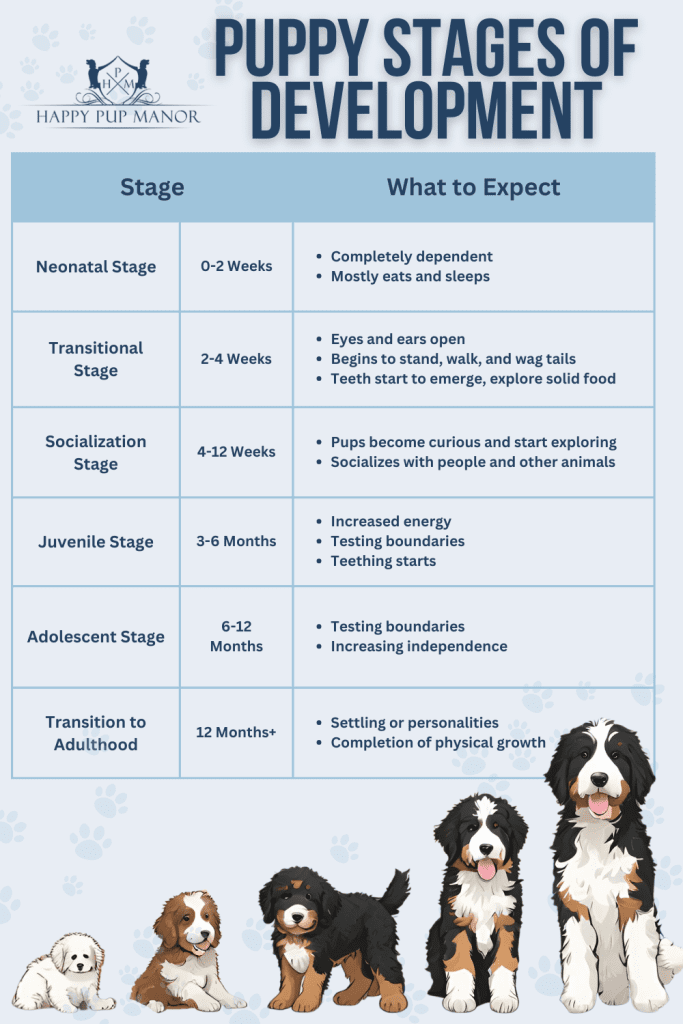
Puppy fur development is a fascinating process that varies across breeds, coat types, and individual puppies. Knowing what to expect at each stage helps you tailor your grooming approach to their needs. Most puppies are born with a soft, fine coat, which eventually transitions into adult fur over several months. During this period, their coat’s texture, density, and color may change significantly, often requiring adjustments in grooming routines.
In the initial few weeks, a puppy’s coat is usually very soft and thin. This delicate fur provides insulation and protection, but it’s also more sensitive to handling. Around 4 to 8 weeks of age, puppies typically begin to shed their puppy coat to make way for their adult fur. This shedding phase can be quite noticeable—sometimes messy—and requires gentle care to prevent skin irritation or discomfort. During this transitional period, pups may also experience uneven fur growth, which is normal. As they approach 6 months to a year, depending on the breed, their adult coat will fully develop, often becoming thicker, coarser, or longer.
Breed plays a significant role in how a puppy’s fur develops. For example, double-coated breeds like Golden Retrievers or Huskies will go through a significant shedding and coat-changing phase, while breeds like Poodles or Bichon Frises will develop a curly, non-shedding coat that requires regular trimming. Recognizing these stages helps owners anticipate grooming needs and avoid unnecessary stress for the puppy. Patience and gentle handling during these phases promote healthy coat growth and a positive grooming experience.
Choosing Appropriate Grooming Tools for Growing Puppies
Selecting the right grooming tools is fundamental to ensuring the process is safe, effective, and stress-free for your puppy. Using inappropriate tools can cause discomfort, skin irritation, or even injuries, especially considering how sensitive and delicate a puppy’s fur and skin are during growth. Start with soft-bristled brushes and gentle combs designed specifically for puppies, which help remove loose fur without pulling or tugging.
For puppies with short or smooth coats, a soft rubber grooming mitt or a gentle bristle brush will usually suffice. These tools help remove dirt and loose hair while massaging the skin to stimulate circulation. If your puppy has longer or more textured fur—such as a wire-haired or curly coat—you’ll want to invest in a slicker brush, wide-tooth comb, or dematting tools. Regularly removing tangles and mats prevents discomfort and skin issues, especially as their fur grows denser. For breeds prone to mats, routine grooming sessions are essential to maintain healthy fur and prevent painful tangles.
In addition to brushes and combs, consider tools for trimming nails, cleaning ears, and bathing. For bathing, use a puppy-specific shampoo that’s gentle and tear-free, and always rinse thoroughly. Clippers and scissors should be designed for small or delicate use, with rounded blades to avoid accidental cuts. As your puppy matures, you might need to upgrade or change tools based on their coat type and grooming requirements. Regularly cleaning your grooming tools also helps prevent the spread of bacteria or parasites, which is especially important during the growth phase when the puppy’s immune system is still developing.
Techniques for Safely Handling and Brushing Puppy Fur During Growth
Handling your puppy’s fur safely during their growth phase requires patience, gentleness, and a keen understanding of their comfort levels. Always approach grooming sessions calmly, speaking softly and offering treats to create a positive association. Before starting, ensure your puppy is relaxed—perhaps after a play session or a quick walk—to make grooming less stressful for both of you.
Begin by introducing your puppy to grooming tools gradually. Let them sniff and explore brushes or combs without using them initially. When you start brushing, use short, gentle strokes and avoid pressing too hard or forcing the brush through tangled fur. Pay special attention to sensitive areas like the belly, ears, and around the paws. For puppies with softer fur, gentle strokes are usually enough to remove loose hair and dirt without causing discomfort. For thicker or more textured coats, work slowly and carefully to detangle mats, using a detangling spray if needed to ease the process.
Proper handling during grooming also involves supporting your puppy’s body and being mindful of their reactions. If your puppy shows signs of distress or discomfort, stop and give them a break. Never pull or tug at the fur, as this can cause pain or trauma. Instead, work in small sections and use calming, reassuring words to keep your puppy at ease. Regular grooming sessions, even if brief, help your puppy become accustomed to being handled and groomed, making future sessions easier and safer.
Managing Shedding and Fur Changes as Puppies Mature
Shedding is a natural part of a puppy’s growth, especially for breeds with double coats or those that shed seasonally. As your puppy matures, you might notice increased shedding during certain times of the year, which can be managed effectively with regular grooming and proper nutrition. Brushing frequently helps remove loose hair before it falls around your home and reduces the risk of mats and skin irritation.
Understanding fur changes as your puppy transitions from their puppy coat to their adult coat is crucial. During this period, expect some irregular shedding and uneven fur growth. For breeds with thick or double coats, regular bathing combined with blow-drying can help speed up the shedding process and promote healthy new growth. Use a deshedding shampoo or conditioner designed for dogs to strengthen the coat and improve skin health. Be patient during this phase, as it can last several months, and avoid over-grooming, which may strip essential oils from the skin.
Adjust your grooming routine based on your puppy’s coat type and shedding pattern. For example, daily brushing with a slicker brush helps remove loose undercoat and reduces shedding. In seasons when shedding peaks, consider professional grooming or deshedding treatments recommended by your veterinarian. Proper diet also plays a vital role—ensure your puppy receives a balanced, omega-rich diet to support healthy coat development and reduce excessive shedding. Remember, patience and consistent care are key to managing fur changes smoothly during your puppy’s growth.
Tips for Maintaining Healthy, Clean, and Comfortable Puppy Coat
Your puppy’s coat is a reflection of their overall health, so maintaining it involves more than just brushing. Regular baths with gentle, puppy-specific shampoo help keep their skin clean and free of dirt, parasites, and allergens. Make bathing a positive experience by using lukewarm water, gentle massaging, and plenty of praise. Avoid over-bathing, as this can strip natural oils and cause dry skin—generally once every 4-6 weeks is sufficient unless your puppy gets particularly dirty or has skin issues.
Nutrition plays a vital role in maintaining a healthy coat. Feed your puppy a high-quality diet rich in essential fatty acids like omega-3 and omega-6, which promote a shiny, strong coat and healthy skin. Hydration is equally important; ensure your puppy always has access to fresh water. Additionally, regular veterinary checkups can help identify and treat skin or coat problems early, preventing discomfort or more serious health issues. Watch for signs of skin irritation, allergies, or parasites, and address them promptly with your vet’s guidance.
Lastly, creating a comfortable environment reduces stress, which can affect coat health. Keep your puppy in a clean, dry, and draft-free space. Use soft bedding and avoid exposing them to harsh weather conditions for extended periods. Routine grooming, a balanced diet, and attentive care all contribute to a shiny, healthy, and comfortable coat that keeps your puppy feeling happy and loved. Remember, a well-groomed coat isn’t just about looks—it’s an important part of your puppy’s health and happiness.
Conclusion
Properly handling your puppy’s fur during their growth phase is a combination of understanding their developmental stages, choosing the right grooming tools, practicing gentle handling techniques, managing fur changes, and maintaining overall coat health. Patience and consistency are key—each puppy is unique, and their grooming needs will evolve as they grow. By taking a proactive and caring approach, you not only keep their coat looking great but also promote their comfort, health, and happiness.
Remember, grooming is a bonding experience that builds trust and confidence with your puppy. Invest in quality tools, educate yourself about your specific breed’s needs, and always prioritize your puppy’s comfort. With proper care and attention, your puppy will grow into a beautiful, healthy adult dog with a coat that reflects their vitality. So start today—your puppy’s future healthy coat will thank you!