

How to Properly Wash Your Dog After a Barn Visit: Tips and Step-by-Step Guide
Spending time at the barn or around livestock can be a wonderful experience for your dog, offering them new smells, sights, and opportunities for fun and exercise. However, it also exposes them to dirt, dust, manure, and other barn-related debris that can cling to their coat and skin. Properly washing your dog after barn visits is essential to keep them clean, healthy, and comfortable, but it’s equally important to do it right to avoid skin irritation or stress. In this comprehensive guide, we’ll walk you through the best ways to prepare, bathe, rinse, dry, and care for your dog after a barn outing, ensuring they stay fresh and healthy with each adventure.
Preparing Your Dog and Cleaning Supplies for Barn Dust and Dirt Removal
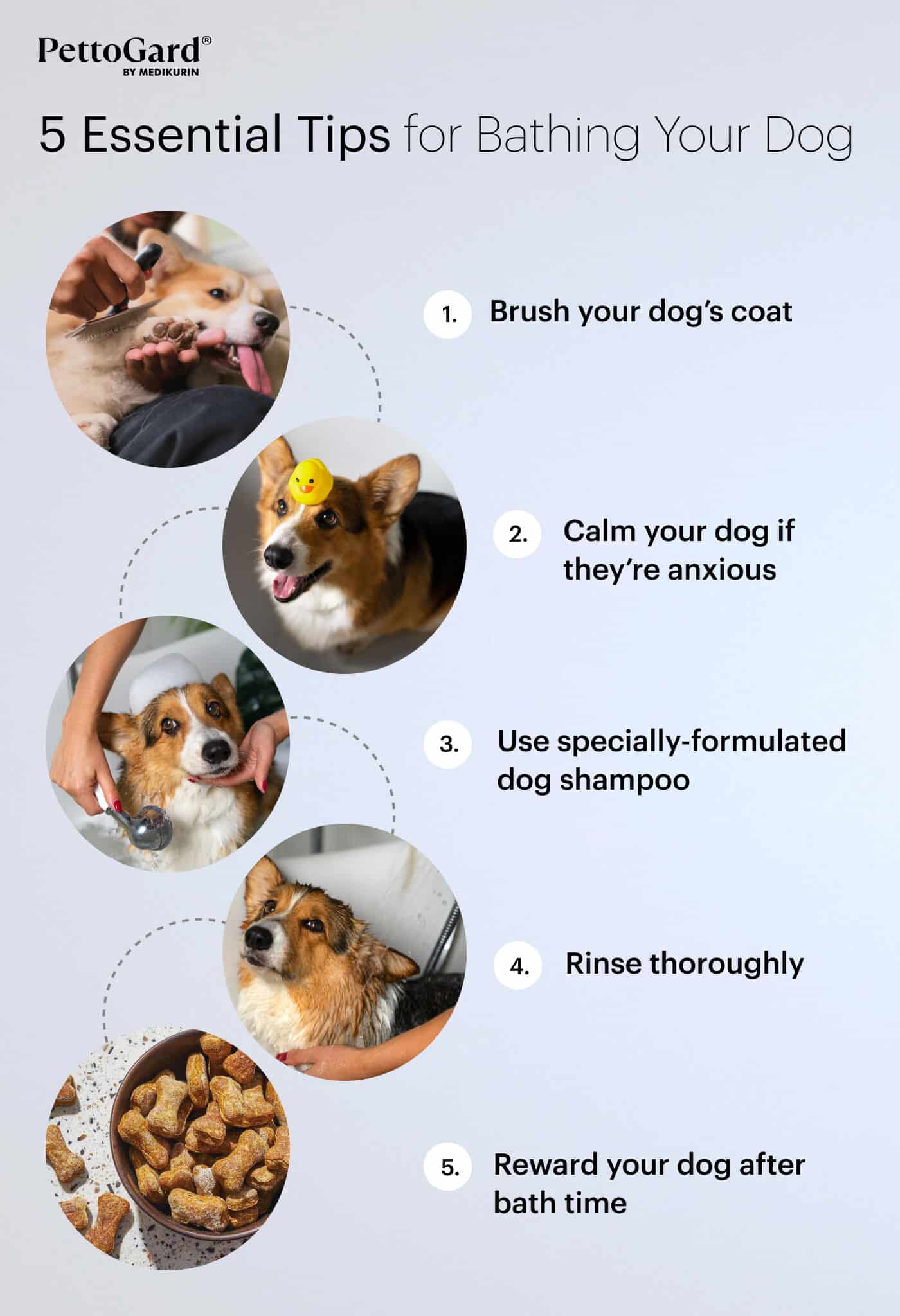
Before diving into the actual bath, preparation is key. Barn environments are full of dust, manure, hay, and other particles that can irritate your dog’s skin or coat if not properly managed. Start by gently brushing your dog’s coat using a slicker brush or grooming gloves to loosen and remove loose dirt and hair. This step helps prevent matting and reduces the amount of debris that will end up in your bathing area. Pay special attention to areas that tend to trap dirt, such as behind the ears, under the legs, and around the paws.
Gather all necessary cleaning supplies in advance to ensure a smooth bathing process. This includes a dog-specific shampoo formulated for their skin type, a gentle conditioner if needed, a non-slip mat for the bathing area, towels, and a cup or handheld sprayer for rinsing. Avoid using human shampoos, which can disrupt your dog’s skin pH balance and cause irritation. If your dog has sensitive skin, opt for hypoallergenic or medicated shampoos recommended by your veterinarian. Additionally, consider using wipes or pre-moistened cloths for quick clean-up of particularly dirty spots or for wiping paws and face before the full bath.
Creating a calm and reassuring environment helps minimize your dog’s stress during bath time. Use a soft, soothing voice, and familiarize your dog with the bathing area beforehand if possible. Keep the bathing area at a comfortable temperature, avoiding drafts or overly cold surfaces. Having everything ready and your dog calm before starting the bath makes the process smoother and safer for both of you, reducing the chance of slips or scratches.
Safely Bathing Your Dog After Barn Exposure Using Appropriate Techniques and Products
When it’s time to get your dog into the bath, be gentle and patient. Use lukewarm water—hot water can dry out or irritate your dog’s skin, especially after exposure to barn dust and manure. Carefully wet your dog’s coat, avoiding splashing water into their ears, eyes, and nose, which can cause discomfort or infections. Supporting the dog’s body with one hand while pouring water with the other helps keep them steady and reduces anxiety.
Apply a dog-specific shampoo generously, working from the neck down to ensure every dirty area is addressed. Focus on cleaning the paws, underbelly, and any spots where manure or mud has accumulated. Be cautious around sensitive areas like the face and ears; use a damp cloth or a specially formulated facial wipe to clean these areas gently. Lather thoroughly but avoid over-scrubbing, which could damage the skin or cause irritation. For dogs with allergies or sensitive skin, select shampoos containing soothing ingredients like oatmeal or aloe vera, which help calm irritation and restore moisture.
Follow the manufacturer’s instructions for shampoo duration and rinse thoroughly to remove all residues. Leftover soap can cause itching or dryness. For heavily soiled or smelly dogs, a second shampooing may be necessary. After washing, inspect your dog’s coat and skin for any signs of irritation, cuts, or parasites. This is also a good opportunity to check for ticks, fleas, or other pests that might have been picked up during barn visits. Using appropriate bathing techniques and safe, vet-approved products ensures your dog’s skin stays healthy while effectively removing barn-related debris.
Rinsing and Drying Your Dog to Prevent Skin Irritations and Ensure Comfort
Thorough rinsing is critical after shampooing to eliminate all soap residue, which can cause itching or dry patches if left behind. Use clean, lukewarm water and ensure that no shampoo or dirt remains by rinsing from the head down to the tail, paying special attention to areas with dense fur or folds. Flushing water gently over the coat helps dislodge any lingering debris and ensures a clean, fresh feel. Be mindful of the ears; tilting your dog’s head slightly downward helps prevent water from entering the ear canal, which could lead to infections.
Once rinsed, gently squeeze excess water from your dog’s coat without wringing, as this can hurt the skin and damage the fur. Use a thick, absorbent towel to pat your dog dry, starting with the face and ears and working down the body. For dogs with thick or long coats, or those prone to matting, you might consider using a blow dryer set on a low, cool setting—carefully avoiding sensitive areas—to speed up the drying process. Make sure the coat is completely dry, especially in folds, underarms, and around the groin, where moisture can cause discomfort or skin issues.
Drying your dog thoroughly not only enhances comfort but also helps prevent skin irritations caused by dampness and bacterial growth. If your dog resists drying or gets anxious with noise, introducing a gentle, calming approach—such as soft voice, treats, or a favorite blanket—can make the process easier. Proper drying minimizes the risk of hot spots, dermatitis, or fungal infections, ensuring your dog remains healthy and comfortable after barn visits.
Post-Bath Care and Preventive Tips to Maintain a Clean and Healthy Coat
After your dog is dry and comfortable, it’s important to follow up with some simple post-bath care. Brush your dog’s coat again to remove any remaining loose hair and prevent matting, especially if they have a long or thick coat. Regular brushing helps distribute natural oils, keeping the coat shiny and skin healthy. If your dog’s coat is prone to tangles, applying a conditioning spray or detangler can make grooming easier and more effective.
In addition to grooming, inspect your dog’s skin for signs of irritation, redness, or parasites, especially in areas that were in contact with barn dirt. If you notice any abnormalities, consult your veterinarian for appropriate treatment. To prevent future barn-related messes, consider using protective clothing or booties for your dog during barn visits, or wipe down their paws and coat immediately after leaving. Regular grooming and bathing schedules tailored to your dog’s activity level and coat type can significantly reduce dirt buildup and skin issues.
Finally, maintaining a balanced diet rich in omega fatty acids and essential nutrients supports healthy skin and coat. Keep your dog regularly dewormed and check for ticks and fleas, which are common in outdoor environments like barns. Providing your dog with a clean, comfortable resting area and routine health check-ups will help sustain their overall hygiene and well-being. Proper after-barn care isn’t just about cleanliness—it’s about promoting your dog’s health and happiness in every adventure.
Conclusion
Keeping your dog clean and healthy after a barn visit requires a mindful approach—starting from proper preparation and gentle bathing to thorough rinsing, drying, and post-care routines. Investing time in each step ensures your dog remains comfortable, free from skin irritations, and ready for the next adventure. Remember, using the right products, techniques, and regular grooming practices not only keeps your furry friend looking good but also supports their overall health and happiness. So, next time you head to the barn, be prepared with these tips, and turn cleaning into a positive experience for both you and your dog. With a little patience and care, your dog will stay fresh and healthy, ready to enjoy all the outdoor fun with you!