


How to Properly Wash Your Dog After Exposure to Industrial Dust
Exposure to industrial dust can pose serious health risks for your furry friend. Whether your dog has accidentally wandered into a construction site, a factory zone, or an area with heavy machinery emissions, it’s crucial to act promptly and correctly. Industrial dust isn’t just an unpleasant mess; it can contain harmful particles like silica, heavy metals, and other toxins that may irritate your dog’s skin, cause respiratory issues, or lead to longer-term health problems if not addressed properly. Proper cleaning is essential not only for immediate comfort but also for safeguarding your dog’s overall health. This guide will walk you through understanding the risks associated with industrial dust, preparing for the wash, the step-by-step cleaning process, and tips for ongoing care to keep your dog healthy and happy.
Understanding the Risks of Industrial Dust on Dogs and the Importance of Proper Cleaning
Industrial dust comprises tiny particles released during manufacturing, construction, or machinery operations, and it can settle on surfaces, clothes, and pets alike. For dogs, who often explore their environment with their nose and paws, exposure can be more direct and intense than we might realize. Dust particles like silica, asbestos fibers, or metal shavings can irritate their skin, eyes, and respiratory systems. Prolonged contact or inhalation can lead to issues such as coughing, sneezing, skin rashes, or even more severe complications like lung inflammation or chronic respiratory problems.
Beyond immediate health concerns, industrial dust residues can also cling to your dog’s fur and paws, making regular grooming insufficient if not done correctly. If these particles are ingested during grooming or licking, they can cause internal health issues or gastrointestinal irritation. It’s vital to understand the importance of thorough cleaning—simply wiping your dog with a damp cloth won’t cut it when dealing with heavy industrial dust exposure. A proper bath with appropriate grooming techniques can help remove stubborn particles, reduce irritation, and prevent long-term health risks, ensuring your pet remains safe and comfortable.
Proper cleaning also plays a role in preventing dust from spreading further into your home or car. If you don’t remove these particles effectively, they can settle on furniture, floors, or other surfaces, creating an ongoing source of exposure. This is especially important if your dog has a habit of jumping onto furniture or cuddling with family members. By prioritizing thorough and correct cleaning, you’re not only protecting your dog but also maintaining a cleaner, healthier living environment for everyone in your household.
Preparing Your Dog for the Washing Process and Gathering Necessary Supplies
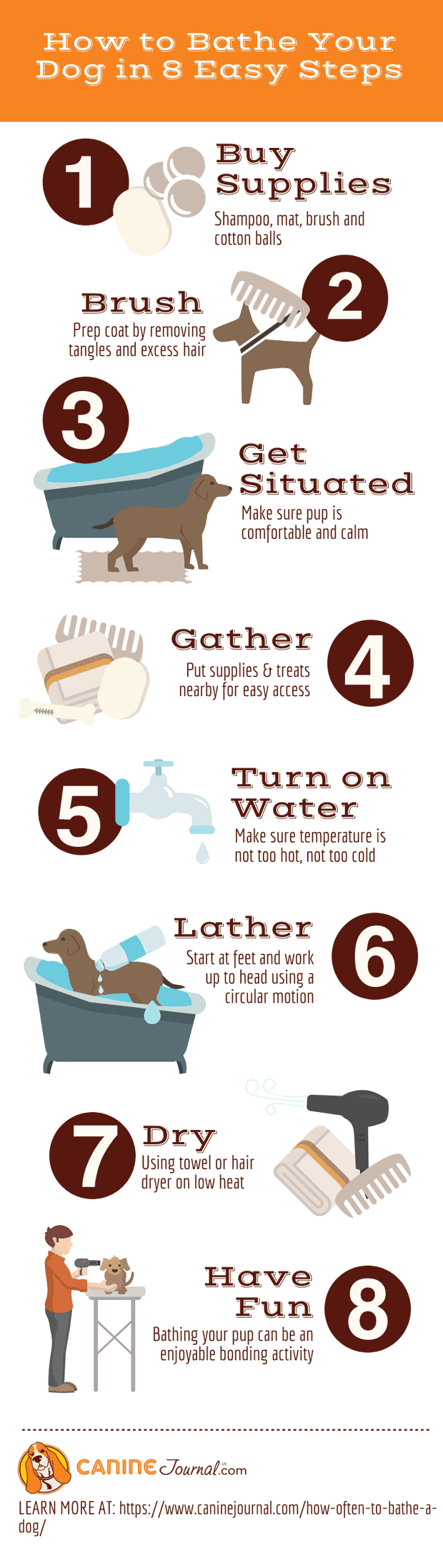
Preparing your dog for a bath after industrial dust exposure is essential to ensure the process is safe and stress-free. Before starting, assess your dog’s condition—if your pet is showing signs of respiratory distress, skin irritation, or distress, consult a veterinarian first. Make sure your dog is calm and comfortable; a restless or anxious dog can slip or get injured during the bath. It’s a good idea to brush your dog gently beforehand to loosen any loose dirt or debris, which helps make the washing process more effective.
Gather all necessary supplies before you begin. The basic items include a gentle, pet-safe shampoo formulated for dogs, preferably one designed to remove pollutants or heavy dirt. A pair of gloves can protect your skin from irritants, and a damp cloth or sponge can be useful for spot cleaning delicate areas. You’ll also need a non-slip mat to prevent your dog from slipping during the bath, a towel for drying, and a handheld shower or a cup for rinsing. Consider having a blow dryer on a cool setting if your dog tolerates it, but never use high heat, as it can dry out or irritate their skin. Having everything within reach ensures a smooth, stress-free experience for both of you.
Additionally, it’s wise to choose a warm, quiet environment for bathing—ideally indoors, in a bathroom or utility tub, to control temperature and avoid additional stressors. If your dog is particularly anxious, consider calming aids like pheromone sprays or treats to make the process more positive. Make sure the water temperature is lukewarm—not too hot or cold—as extreme temperatures can cause discomfort or skin irritation. Preparing everything in advance minimizes delays and helps keep your dog calm, comfortable, and cooperative throughout the cleaning process.
Step-by-Step Guide to Safely Washing a Dog After Industrial Dust Exposure
Performing a proper bath after industrial dust exposure requires patience and attention to detail. Start by gently placing your dog on the non-slip mat, speaking softly to reassure them. Before applying any shampoo, wet your dog thoroughly with lukewarm water, ensuring that you cover all areas—particularly the paws, belly, and behind the ears—where dust particles may have accumulated. Be cautious around sensitive areas like the eyes, ears, and nose, avoiding direct contact with water or shampoo to prevent irritation.
Next, apply a small amount of pet-safe, heavy-duty shampoo designed for pollutant removal or heavy dirt. Work the shampoo into a lather, paying special attention to the neck, chest, and legs, where particles may cling. Use your fingers or a soft brush to gently massage the shampoo into the coat and skin, helping loosen stubborn dust particles. Let the shampoo sit for a minute or two to allow the ingredients to bind with contaminants, then rinse thoroughly with lukewarm water. It’s important to remove all traces of shampoo and dirt to prevent irritation or residue build-up.
After rinsing, inspect your dog’s coat and skin, and repeat the washing process if necessary, especially if your dog was heavily exposed. Once the fur is clean, gently squeeze out excess water—avoid wringing, which can hurt the skin—and towel dry your dog thoroughly. If your dog tolerates it, you can finish with a cool blow dryer set on low heat, keeping the dryer moving to prevent overheating or skin irritation. Throughout the process, speak softly and praise your dog to keep them calm, making the experience as positive as possible while ensuring all traces of industrial dust are effectively removed.
Post-Wash Care and Tips to Keep Your Dog Clean and Healthy After the Bath
After washing your dog thoroughly, proper post-bath care helps maintain their health and cleanliness. Begin by drying your dog completely, especially in colder weather, to prevent chills or skin irritation. Use a soft towel and gently pat or blot the fur until it’s mostly dry, then proceed with a blow dryer on a cool setting if your dog is comfortable with it. Paying attention to drying the paws, ears, and underbelly is important, as these areas can trap residual dust or moisture that could lead to infections or irritation.
Once your dog is dry, inspect their skin and coat for any signs of irritation, redness, or residual dirt. If you notice any irritation or persistent dust particles, consult your veterinarian for further advice or treatment. Regular grooming helps keep your dog’s coat clean and reduces the risk of dirt buildup, so brushing your pet frequently after baths can be beneficial—especially in areas where dust tends to settle. Additionally, wiping your dog’s paws and face with a damp cloth after outdoor walks or exposure can help prevent dust from spreading inside your home.
To reduce future risks, consider establishing a routine of regular grooming and bathing, especially if your dog frequents environments with industrial dust or pollutants. Keep your dog’s living space clean by vacuuming carpets, washing bedding, and wiping down surfaces to minimize residual dust. Supplementing your dog’s diet with omega fatty acids and maintaining good overall health can also boost their immune system, helping them recover from environmental exposures more effectively. Remember, prevention and prompt cleaning are your best tools in protecting your dog from the adverse effects of industrial dust.