


How to Properly Wash Your Dog After Hiking Rocky Terrain: A Step-by-Step Guide
Exploring rocky trails with your furry companion is an exhilarating experience that combines adventure, exercise, and bonding. However, after a day of navigating rugged terrain, your dog is likely to be covered in dirt, mud, small rocks, and debris that can impact their skin and coat health if not addressed properly. Properly washing your dog after such hikes isn’t just about cleanliness—it’s about maintaining their overall health, preventing skin irritations, and ensuring they’re comfortable until their next adventure. In this comprehensive guide, we’ll walk you through each step, from assessing your dog’s condition to post-wash care, so you can keep your pup happy, healthy, and fresh after every hiking session.
Assessing Your Dog’s Condition and Preparing for the Wash
Before diving into the cleaning process, it’s crucial to assess your dog’s overall condition. Rocky terrains can cause minor cuts, scrapes, or insect bites, which require gentle handling and sometimes even medical attention. Carefully examine your dog’s paws, legs, underbelly, and ears for any injuries or embedded debris. If you notice bleeding, swelling, or signs of distress, consider consulting your veterinarian before proceeding with the wash. Conducting a quick health check ensures you address any urgent issues promptly and safely.
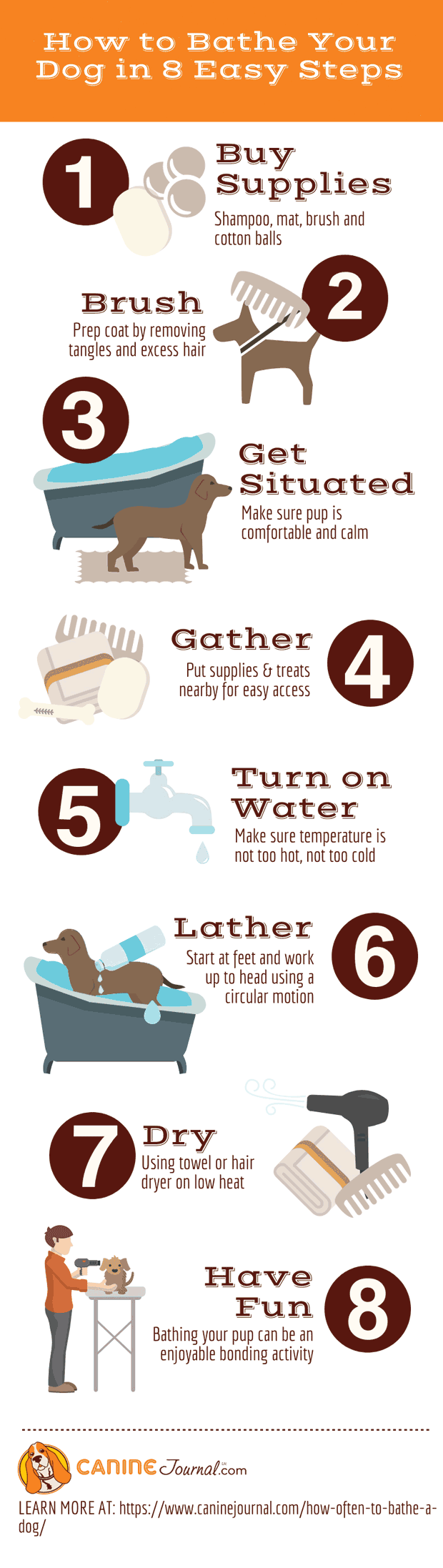
Preparation is key to making the bathing process smooth and effective. Gather all necessary supplies beforehand—such as dog-friendly shampoo, brushes, towels, and a detachable showerhead or hose. Creating a calm environment helps reduce your dog’s anxiety, especially if they’re tired or stressed from hiking. Use treats and positive reinforcement to encourage cooperation, making the experience more pleasant for both of you. Additionally, ensure the bathing area is secure, non-slip, and at a comfortable temperature to prevent any accidents or discomfort during the wash.
Lastly, consider the weather conditions post-hike. If it’s cold, limit the bath to quickly removing dirt and debris rather than a prolonged soak that could chill your dog. Conversely, if it’s warm, you have the opportunity to give a thorough wash that helps cool them down and thoroughly cleans their coat. Proper assessment and preparation set the foundation for a safe, efficient, and stress-free cleaning session that keeps your dog healthy and happy.
Choosing the Right Cleaning Products and Supplies for Rocky Terrain Residue
Selecting the appropriate cleaning products is essential for effectively removing dirt, mud, and small rocks, while safeguarding your dog’s skin and coat. Many commercial dog shampoos are formulated specifically for canine skin pH, which is slightly different from human skin. Look for gentle, hypoallergenic shampoos that are free from harsh chemicals, artificial fragrances, and sulfates—these can cause irritation, especially after rough terrain exposure. If your dog has sensitive skin or allergies, opt for medicated or soothing formulas with ingredients like oatmeal or aloe vera to prevent irritation.
In addition to shampoo, consider using a conditioner or coat rinse to help detangle fur and restore moisture lost during hiking. For removing stubborn dirt or mud, a pre-wash rinse with water or a gentle spray can loosen debris before applying shampoo. Small debris like tiny rocks or thorns can often get lodged between paw pads or in fur; a pet-safe wipe or damp cloth can help clean these sensitive areas without causing discomfort. Also, keep a soft-bristled brush on hand for post-wash grooming to remove loose fur and dirt, and to prevent matting.
Always opt for products specifically formulated for dogs—human shampoos, even gentle ones, can disrupt the natural oils of a canine’s skin or contain ingredients harmful to dogs. Reading labels and consulting your vet for recommended products ensures you’re using safe, effective supplies. Investing in high-quality grooming essentials tailored to your dog’s breed, coat type, and skin sensitivities guarantees a thorough clean while maintaining their coat’s health and shine.
Pre-Wash Brushing and Rinsing to Remove Dirt and Debris
Before applying any shampoo, a thorough brushing is vital to remove loose dirt, mud, and tangled fur. Use a gentle dog brush suited to your dog’s coat type—slicker brushes for long-haired breeds, rubber curry brushes for short-haired breeds, or undercoat rakes if your dog sheds heavily. Brushing not only dislodges surface debris but also helps prevent matting, which can trap dirt and irritate the skin when wet. Pay extra attention to areas prone to collecting debris, such as behind ears, under the collar, and between paw pads.
Once brushed, a pre-wash rinse with lukewarm water helps loosen stubborn dirt and flush out loose debris from the coat. Use a detachable showerhead or a gentle spray from a hose to thoroughly rinse your dog’s fur, starting from the head and working down the body. This step ensures that dirt and small rocks embedded deep in the coat are washed away, reducing the amount of shampoo needed and making the bathing process more effective. Be cautious around sensitive areas like the eyes, ears, and nose, avoiding direct water contact to prevent discomfort.
This initial rinse not only prepares the coat for shampooing but also helps cool your dog down if they’re overheated after hiking. It’s a calming step that can make subsequent washing more manageable, especially for anxious dogs. Remember, patience and gentle handling are key—taking time to rinse thoroughly helps ensure a cleaner, healthier coat and a more relaxed bathing experience for your pup.
Step-by-Step Guide to Washing and Bathing Your Dog After Hiking
With your dog prepared and debris loosened, it’s time for the actual washing process. Start by soaking your dog’s coat with lukewarm water—hot water can cause discomfort or skin irritation, while cold water might be shocking, especially for smaller or sensitive dogs. Use a gentle, dog-specific shampoo, applying it from the neck down, and be sure to massage it into the coat thoroughly, paying attention to areas that tend to trap dirt like paws, underbelly, and around the collar. Avoid getting shampoo directly in the eyes, ears, and mouth to prevent irritation.
Work the shampoo into a rich lather, ensuring full coverage to break down mud, debris, and oils accumulated from rocky terrain. For particularly dirty areas, you might need to repeat the process—apply a second round of shampoo or use a dedicated spot cleaner for stubborn dirt. During the wash, gently massage your dog’s skin to stimulate blood flow and promote a relaxing experience. For breeds with double coats, a thorough shampooing and rinsing are essential to remove all trapped debris and prevent skin infections.
Once your dog is thoroughly washed, rinse completely, ensuring no shampoo residue remains, which can cause itching or irritation. Use clean, lukewarm water and be meticulous in rinsing the underbelly, paws, and tail—areas prone to holding soap. After rinsing, consider applying a conditioner if your dog’s coat is long or prone to matting. This step adds moisture, makes brushing easier, and keeps the coat shiny. Pat your dog dry with towels, removing excess water before moving to drying techniques.
Drying Techniques and Post-Wash Care to Keep Your Dog Comfortable
Proper drying is just as important as washing, especially if your dog has a thick or long coat. Start by gently blotting your dog with a soft towel to remove excess water—avoid vigorous rubbing, which can tangle or damage the coat and cause discomfort. For dogs with dense or heavy coats, consider using a blow dryer on a low, cool setting to speed up the drying process and prevent dampness, which can lead to skin infections. Always keep the dryer moving and avoid focusing heat directly on the skin.
Air drying is an excellent option in warm, dry weather, allowing your dog to naturally evaporate remaining moisture while enjoying some gentle petting. If you choose to use a blow dryer, maintain a comfortable distance from the skin and use a noise setting that doesn’t scare your dog. For breeds prone to matting or with sensitive skin, drying thoroughly becomes even more critical, since lingering moisture can lead to hot spots or fungal infections. Make drying a calming part of the post-hike routine by offering treats and praise.
Post-wash care involves inspecting your dog’s coat and skin for any signs of irritation, cuts, or embedded debris that might have been missed. Regular brushing after drying helps keep the coat smooth, prevents mats, and distributes natural oils. Ensure your dog is comfortable and warm, especially if the weather is chilly, by providing a cozy blanket or dry space. Proper drying and grooming reinforce a healthy, shiny coat and keep your pup feeling their best until the next adventure.
Conclusion
Cleaning your dog after a hike on rocky terrain is more than just a grooming task—it’s a vital part of maintaining their health, comfort, and happiness. By carefully assessing your dog’s condition, choosing the right products, and following a systematic approach to brushing, rinsing, washing, and drying, you ensure your furry friend stays clean, free of irritants, and ready for the next adventure. Remember, patience and positive reinforcement make the experience enjoyable for your dog, turning grooming into a bonding moment. Regular post-hike baths not only keep your dog looking and smelling great but also help prevent skin issues and promote overall well-being. So next time you hit the trails, follow these steps to give your dog the proper care they deserve after exploring rocky terrain—your loyal companion will thank you!