

How to Recognize When Your Dog Needs a Bath: Signs Every Owner Should Know
Owning a dog is a rewarding experience filled with unconditional love, playful moments, and companionship. However, a clean and comfortable dog is not just about appearance—it’s about their health, happiness, and well-being. Knowing when your furry friend needs a bath can sometimes be tricky, especially if you’re new to dog ownership. In this article, we’ll explore the key signs that indicate your dog is in need of a good wash. From visual cues to behavioral changes, environmental factors, and tips on choosing the right bathing routine, you’ll gain a comprehensive understanding of how to keep your dog fresh, healthy, and happy.
Common Indicators of Dirty or Uncomfortable Dogs
One of the most straightforward ways to tell if your dog needs a bath is by observing common indicators of dirtiness or discomfort. A dog that’s overdue for a wash often exhibits certain telltale signs that are hard to miss once you know what to look for. These signs can help prevent skin problems, reduce shedding, and improve your dog’s overall comfort.
Firstly, visible dirt, mud, or debris on their coat is an obvious sign that your dog needs a bath. Whether they’ve been playing outside or rolled in something unsavory, accumulated dirt can lead to skin irritation if not washed away. Even indoor dogs can get dirty, especially if they shed heavily or have long fur that traps dust and hair. Regularly inspecting their coat helps catch these issues early before they turn into more significant problems.
Secondly, excessive shedding or matting often points to a dirty or neglected coat. Dirty fur tends to trap more loose hair, leading to mats and tangles that can cause discomfort or skin infections if not addressed. If your dog is shedding more than usual or their fur looks clumped together, a bath combined with proper grooming might be needed. Regular baths help loosen dead hair and reduce shedding over time, keeping your home cleaner too.
Lastly, discomfort or scratching is a key behavioral indicator. Dogs that are itchy or seem restless may have skin irritation caused by dirt, allergens, or bacteria buildup. If your dog is scratching frequently or biting at their paws and ears, it could be a sign that their coat and skin need a refresh. Bathing with a gentle, vet-approved shampoo can soothe irritation and remove potential irritants.
Visual and Olfactory Signs of Dog Hygiene Issues
While some signs of a dirty dog are visible, others are more easily detected through smell. Recognizing these sensory cues is essential in maintaining your dog’s hygiene and preventing health issues. A foul odor can often be the first hint that your dog needs a bath—sometimes even before you see noticeable dirt or matting.
Persistent bad smell—sometimes described as a "wet dog" or sour scent—is a common indicator that your dog’s coat and skin require cleaning. Odors can originate from bacterial or yeast overgrowth on the skin, often caused by dirt, moisture, or skin infections. If your dog’s smell lingers despite regular brushing, a bath with an appropriate shampoo can help restore freshness and reduce the risk of skin problems.
Oily or greasy coat is another visual indicator. A healthy dog’s coat should be clean and shiny, not oily. An excessively greasy appearance can suggest the need for a thorough wash, especially if accompanied by dandruff or flaky skin. This greasy buildup traps dirt and can lead to bacterial infections, so regular bathing helps manage oil levels naturally produced by the skin.
Dirty ears or unclean paws are often overlooked but are equally important. Ears that smell unpleasant or look inflamed could be harboring bacteria or yeast, which often thrive in dirty, moist environments. Similarly, paws that are stained or have a crusty appearance can indicate dirt, mud, or even fungal infections. Regularly inspecting and cleaning these areas helps prevent infections and keeps your dog comfortable.
Behavioral Changes That Signal a Need for a Bath
Dogs communicate a lot through their behavior, and subtle changes can hint that they’re uncomfortable or in need of a clean-up. Paying attention to their mood and actions can save them from discomfort and prevent more serious health issues down the line.
Unusual restlessness or agitation might be a sign of discomfort due to dirt or skin irritation. A dog that is normally calm but starts scratching, biting, or licking themselves obsessively may be trying to soothe itchy or irritated skin caused by dirt, sweat, or bacterial buildup. Bathing can often relieve this discomfort and restore your dog’s usual calmness.
Change in grooming behavior—either excessive grooming or neglect—can also be an indicator. Dogs that normally groom themselves may start scratching or licking more frequently if their coat is dirty or if they develop skin issues. Conversely, some dogs may become lethargic or disinterested in grooming if they’re feeling unwell or uncomfortable due to dirt and debris.
Odor-driven social discomfort is another behavioral sign. A dog that starts avoiding cuddles or pushes away your touch might smell unpleasant, which can make social interactions less enjoyable. Regular baths not only improve hygiene but also help reinforce your bond through positive grooming experiences. If your dog shows signs of discomfort around bathing, it’s best to introduce the routine gradually and use positive reinforcement.
Environmental and Lifestyle Factors Affecting Your Dog’s Cleanliness
Your dog’s environment and daily routine significantly influence how often they need a bath. Understanding these factors helps tailor a bathing schedule that suits your dog’s specific needs, keeping them comfortable and healthy.
Outdoor activities and exposure to dirt or water are obvious contributors to a dog’s need for frequent baths. Dogs that love playing in the mud, swimming, or exploring wooded areas get dirty quickly. Their coat can become muddy, and their paws may carry dirt indoors. In such cases, quick rinses after outdoor play or more frequent baths are necessary to prevent grime buildup and skin irritation.
Indoor living conditions can also impact your dog’s hygiene. Dogs that shed heavily or have long fur might trap dust, dander, and skin flakes, necessitating regular grooming and bathing. Additionally, if you have multiple pets, the risk of cross-contamination increases, making routine baths more important to prevent parasitic infestations or skin infections.
Diet, health status, and grooming habits influence your dog’s cleanliness too. Poor nutrition can affect skin health, leading to oily or dry skin, which in turn impacts coat cleanliness. Regular brushing removes loose hair and distributes natural oils, reducing the need for frequent baths. Conversely, dogs with skin conditions like allergies or dermatitis may require specialized bathing routines prescribed by a veterinarian.
Tips for Choosing the Right Bathing Routine and Products
Every dog is unique, which is why selecting an appropriate bathing routine and products is crucial. Using the right approach not only keeps your dog clean but also protects their sensitive skin and fosters a positive grooming experience.
Frequency of baths varies based on breed, coat type, activity level, and skin health. Generally, most dogs benefit from a bath every 4 to 8 weeks. Long-haired breeds or dogs that get dirty easily may need baths more often, while short-haired breeds require less frequent washing. Over-bathing can strip natural oils, leading to dry skin, so it’s important to find a balance tailored to your dog’s needs.
Choosing the right shampoo is vital. Always opt for shampoos formulated specifically for dogs, as human shampoos can disrupt their skin’s pH balance. For sensitive or allergy-prone skin, use gentle, hypoallergenic options. If your dog has skin conditions, consult your veterinarian for medicated or specialized shampoos. Remember to rinse thoroughly to remove all soap residues, which can irritate the skin if left behind.
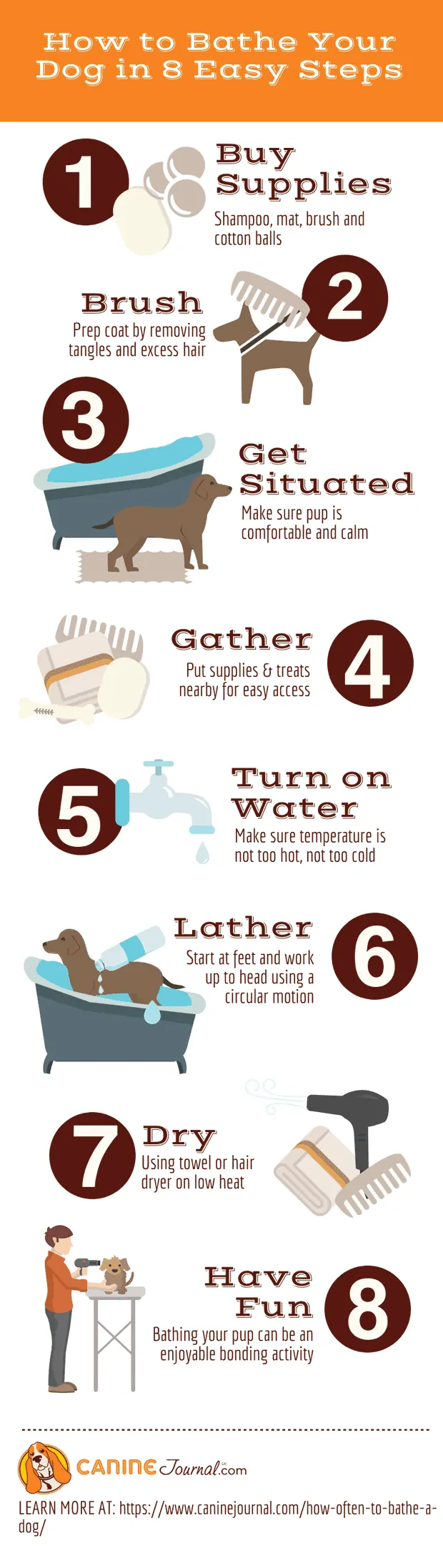
Additional grooming tips include using lukewarm water and gentle, dog-specific brushes. Keep bath time calm and positive by offering treats and praise. After bathing, dry your dog thoroughly with a towel or pet-safe dryer, especially in colder weather. Regular grooming routines reinforce cleanliness, reduce shedding, and strengthen your bond, making baths a more pleasant experience for both of you.
Conclusion
Recognizing when your dog needs a bath is a vital aspect of responsible pet ownership. By paying attention to visual cues like dirt and odor, behavioral changes such as scratching or restlessness, and environmental factors like outdoor play or living conditions, you can determine the right time to give your dog a refreshing wash. Selecting appropriate products and establishing a consistent routine ensures that baths are both effective and comfortable. Remember, maintaining your dog’s hygiene isn’t just about appearance—it’s about their health, comfort, and happiness. When in doubt, consult your veterinarian for personalized advice, and enjoy the bonding experience that grooming can bring. Keep your furry friend clean, healthy, and happy with these simple but essential tips!