

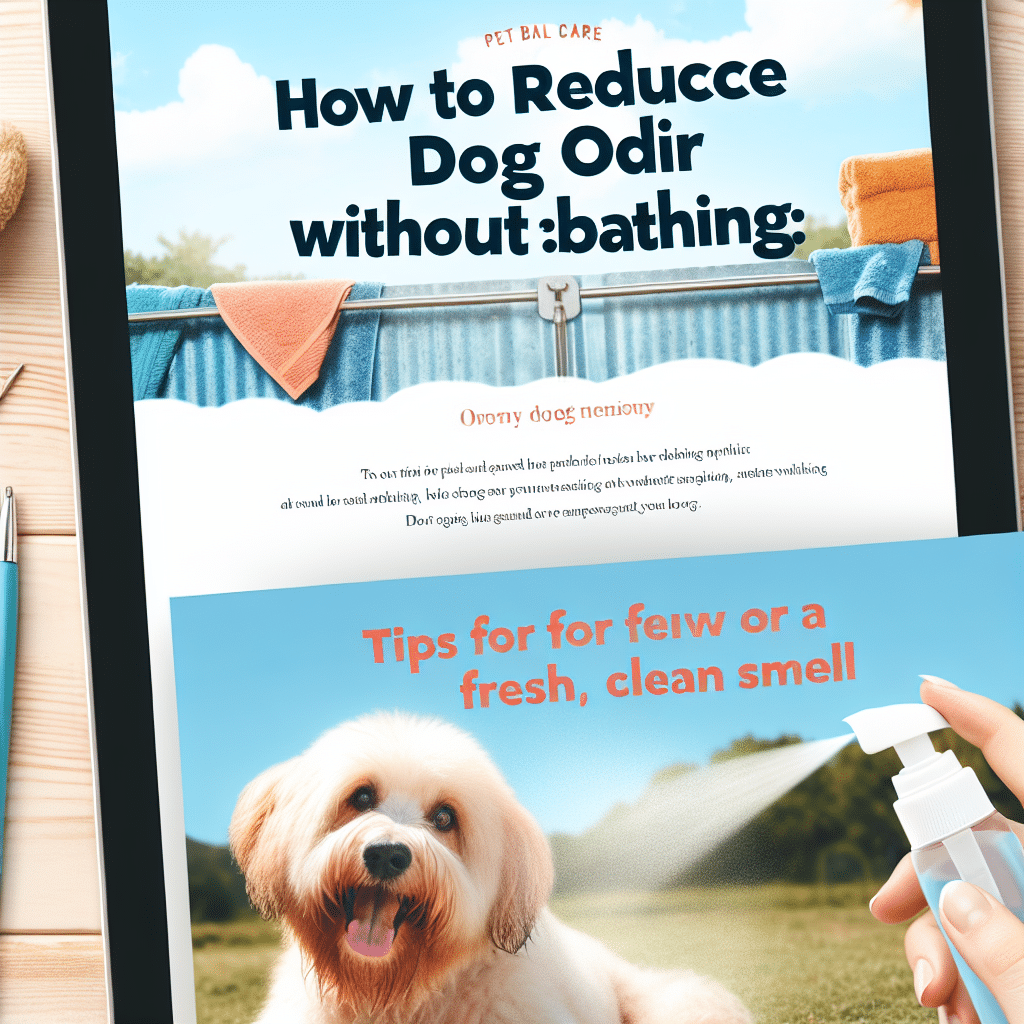
How to Reduce Dog Odor Without Overbathing: Tips for a Fresh, Clean Smell
Having a clean and fresh-smelling dog is a common goal for pet owners, but many fall into the trap of overbathing their furry friends. While regular baths are essential for hygiene, overdoing it can strip away natural oils, leading to dry skin and even worse odors. The good news is that there are plenty of effective ways to manage and minimize dog odor without excessively bathing your pup. This article will explore the root causes of dog odor, practical alternatives to overbathing, proper grooming techniques, and lifestyle habits that keep your dog smelling fresh and clean—naturally.
Understanding the Causes of Dog Odor and When Overbathing Is Unnecessary
Dog odors often stem from a combination of factors, including natural skin oils, diet, skin health, and environment. Understanding what causes these smells is the first step toward managing and reducing odor effectively without unnecessary baths.
Natural Skin Oils and Sebum Production
Every dog’s skin produces oils that help keep their coat healthy, shiny, and protected. However, excess sebum can lead to a greasy smell or attract dirt and bacteria, contributing to odor. Some breeds naturally produce more oils, especially those with thicker coats or skin folds, which can trap moisture and bacteria, leading to stronger smells. Overbathing can strip away these oils, causing dry skin that may produce an even worse odor as the skin reacts.
Diet and Food Choices
What your dog eats significantly impacts their body odor. Poor-quality diets, food allergies, or sensitivities can lead to skin inflammation or yeast overgrowth, both of which result in unpleasant smells. Maintaining a balanced, high-quality diet rich in omega fatty acids can improve skin health and reduce odors originating from within.
Environmental and External Factors
Dogs that spend a lot of time outdoors may pick up dirt, mud, or odors from their surroundings. Additionally, skin infections, yeast or bacterial overgrowth, and dental issues can contribute to persistent odors. Recognizing when odor is a sign of an underlying health problem is crucial; if your dog’s smell is persistent, foul, or accompanied by other symptoms like scratching, hair loss, or skin redness, consulting a veterinarian is advised.
When Overbathing Is Unnecessary
Overbathing isn’t always the solution for dog odor. In fact, bathing too frequently can damage the skin’s natural barrier, leading to dryness and irritation that exacerbate odor issues. Typically, a dog only needs a bath every few weeks unless they roll in something particularly foul or have a skin condition. Regular grooming, combined with other odor control strategies, can keep your dog smelling fresh without the risks associated with overbathing.
Effective Alternatives to Overbathing for Managing Dog Odor
Instead of reaching for the shampoo bottle every time your dog smells a bit off, there are several proven methods to control and reduce odor that don’t involve overbathing. These alternatives focus on cleaning, deodorizing, and maintaining the dog’s natural balance.
Regular Brushing and Combing
Daily brushing helps remove loose fur, dirt, and dead skin cells that can harbor odor-causing bacteria. It also distributes natural oils evenly across the coat, promoting a healthy shine and neutralizing smells. For dogs with thick or curly coats, specialized grooming tools like slicker brushes or de-shedding tools can be especially effective. Conversely, for short-haired breeds, a quick daily brush can make a noticeable difference in odor control.
Use of Dog Wipes and Deodorizing Sprays
Dog wipes are a convenient and gentle way to clean your dog’s coat between baths, especially around the face, paws, and behind the ears. Look for wipes formulated with skin-friendly ingredients that help neutralize odor without disrupting the skin’s natural oils. Deodorizing sprays specifically designed for dogs can also be used sparingly to keep your pet smelling fresh; just ensure they are free from alcohol and artificial fragrances that could irritate sensitive skin.
Spot Cleaning and Dry Shampoo Applications
For localized odor issues, spot cleaning with a damp cloth or applying a dry shampoo formulated for dogs can be highly effective. Dry shampoos absorb excess oils and dirt, providing a quick refresh without water. They’re particularly handy for busy pet owners or those who want to avoid unnecessary baths. When applying, follow manufacturer instructions carefully to prevent skin irritation and ensure the product is thoroughly brushed out afterward.
Managing Skin and Ear Health
Odor often emanates from skin infections or dirty ears. Regularly inspecting and gently cleaning your dog’s ears with vet-recommended solutions can prevent infections that produce foul smells. Similarly, maintaining a clean coat and skin can prevent bacterial or yeast overgrowth, which are common sources of persistent dog odor.
Proper Bathing Techniques and Safe Use of Dog-Specific Products
When a bath is truly necessary, doing it correctly not only ensures your dog stays clean but also protects their skin and coat health. Proper bathing techniques can significantly reduce odor without risking overuse of shampoos or irritating your dog’s skin.
Choosing the Right Products
Always select dog-specific shampoos formulated for your dog’s skin type and coat. For sensitive skin, opt for hypoallergenic or medicated shampoos recommended by your veterinarian. Avoid human shampoos, which can disrupt the pH balance of a dog’s skin, leading to dryness and irritation. For odor control, look for shampoos containing natural deodorizing ingredients like oatmeal, aloe vera, or essential oils designed for pets.
Bathing Frequency and Technique
Most dogs only need a bath every 3-8 weeks, depending on their breed, activity level, and environment. Overbathing strips away natural oils, compromising skin health and increasing odor. When bathing, use lukewarm water and avoid harsh scrubbing—gentle massaging helps distribute the shampoo evenly and stimulates the skin without causing irritation. Make sure to rinse thoroughly to remove all soap residues, which can cause dryness or irritation.
Drying and Post-Bath Care
Proper drying is crucial to prevent moisture retention that promotes bacterial or yeast growth. Use a towel or a pet-safe blow dryer on a low heat setting to thoroughly dry your dog’s coat. Applying a veterinarian-recommended conditioner can also help maintain skin hydration and coat shine. After bath time, brushing the coat helps remove loose hair and distributes natural oils, further reducing odor.
Safety Tips for Using Dog-Specific Products
Always follow the manufacturer’s instructions regarding product use and frequency. Avoid overusing medicated shampoos unless prescribed by a vet, as this can disturb the skin’s natural flora. When introducing new grooming products, do a patch test to check for allergic reactions. Regularly inspecting your dog’s skin post-bath can help catch early signs of irritation or infection that might cause odor issues.
Maintaining Good Oral Hygiene and Skin Health to Reduce Odor
Many pet owners overlook the significant role that oral hygiene and skin health play in controlling dog odor. Addressing these areas can lead to a noticeable improvement in your dog’s overall smell and comfort while preventing health issues that cause persistent foul odors.
Regular Dental Care
Dental hygiene is a cornerstone of fresh-smelling dogs. Plaque buildup, tartar, and gum disease produce a bad odor that can be quite strong. Brushing your dog’s teeth daily with dog-specific toothpaste and providing dental chews help reduce bacteria in the mouth. Regular professional cleanings by your veterinarian can also prevent periodontal disease, which is a primary source of bad breath and body odor. A healthy mouth not only smells better but also contributes to your pet’s overall wellbeing.
Skin Conditions and Allergies
Skin health directly influences odor. Conditions such as dermatitis, yeast overgrowth, bacterial infections, or allergies can cause persistent, foul smells. Regular grooming, including gentle cleaning of skin folds in breeds like Bulldogs or Pugs, prevents the buildup of dirt and moisture that foster bacteria. If your dog’s skin appears inflamed, red, or flaky, consult your vet. They may recommend medicated shampoos, dietary supplements, or allergen testing to address underlying issues.
Balanced Diet and Supplements
Feeding your dog a balanced diet rich in omega-3 and omega-6 fatty acids supports healthy skin and coat, reducing dryness and odor. Supplements like fish oil or dermatology-specific formulas can further enhance skin health. Additionally, ensuring your dog stays hydrated helps maintain a healthy coat and prevents dry, itchy skin that could contribute to odors. Monitoring and adjusting your dog’s diet based on their specific needs can be a game-changer in managing persistent smells.
Environmental and Hygiene Habits
Keeping your dog’s environment clean reduces exposure to dirt, mold, or other odor-causing agents. Regularly washing bedding, toys, and crates minimizes bacterial buildup. Bathing and cleaning your dog’s paws after outdoor walks prevent dirt and mud from spreading odors indoors. Creating a routine that includes checking and cleaning skin folds or ears helps prevent infections that produce unpleasant smells.
Implementing Regular Grooming and Environmental Hygiene Practices
Consistent grooming and environmental hygiene are key to managing dog odor in a sustainable, healthy way. When integrated into a regular routine, these practices can significantly reduce the need for frequent baths and keep your pet smelling fresh naturally.
Establishing a Grooming Routine
A regular grooming schedule tailored to your dog’s breed, coat type, and activity level helps maintain their hygiene and reduces odor. This includes brushing, trimming, ear cleaning, and nail clipping. For dogs prone to skin issues, more frequent grooming may be necessary. Establishing a routine not only keeps your dog looking good but also allows you to spot potential skin problems early before they become odor sources. It also helps your pet become accustomed to grooming, making the process less stressful.
Environmental Cleanliness and Maintenance
A clean living environment is crucial for odor control. Regularly vacuuming carpets, washing dog bedding, and cleaning crates or kennels prevent the buildup of dirt, hair, and bacteria. Outdoor areas should be kept tidy and free of mold or decaying organic matter. Proper waste disposal and prompt cleaning of accidents help prevent lingering smells and reduce bacterial growth.
Managing Odor Sources Proactively
Pay special attention to common odor hotspots like ears, paws, and skin folds. Incorporate gentle, regular cleaning routines with vet-approved products to reduce bacteria and yeast populations. For dogs that tend to roll in smelly substances or get dirty frequently, quick spot cleans or dry shampoos between baths can make a noticeable difference. Think of odor control as a holistic approach—grooming, environment, diet, and health all work together to keep your dog smelling fresh.
Encouraging Healthy Habits
Training your dog to tolerate grooming and hygiene routines calmly makes these practices more effective and less stressful. Reward-based training and gradual introduction to grooming tools foster cooperation. Additionally, promoting outdoor play and regular exercise supports overall health, which indirectly influences body scent. A healthy, well-cared-for dog naturally produces fewer odors, making your job easier and your pup happier.
Conclusion
Managing dog odor without overbathing requires a thoughtful approach that addresses the root causes and promotes overall health. By understanding why your dog smells and implementing practical alternatives like regular brushing, spot cleaning, and maintaining good skin and dental health, you can keep your pet smelling fresh naturally. Proper bathing techniques with dog-specific products, combined with consistent grooming and a clean environment, further enhance odor control efforts. Remember, a holistic approach—integrating diet, hygiene, and lifestyle habits—is the most effective way to enjoy a fresh, clean-smelling dog without risking the downsides of overbathing. With patience and consistency, you’ll foster a happier, healthier pet and a more pleasant home environment.