


How to Remove Skunk Odor from Your Dog: Tips to Freshen Up Quickly
Discovering that your beloved dog has been sprayed by a skunk can be a stressful and overwhelming experience. Skunk spray is notorious for its potent, lingering odor that can cling to fur, skin, and even fabrics, making your pet—and your home—smell less than fresh. But don’t worry—there are effective methods to neutralize that stinky smell and restore your dog’s comfort and cleanliness quickly. This article provides a comprehensive guide on how to remove skunk odor from your dog, covering everything from understanding what you’re up against, preparing for the cleaning process, tried-and-true home remedies, when to seek professional help, and how to prevent future encounters.
Understanding Skunk Spray and Its Effects on Dogs
Skunk spray is a complex mixture of sulfur-containing chemicals called thiols, which are responsible for its strong, offensive odor. When a skunk sprays, it releases a foul-smelling liquid designed to deter predators, but unfortunately, this can cause significant discomfort for dogs that happen to be in the wrong place at the wrong time. The spray is designed to stick stubbornly to fur, skin, and fabrics, making removal an urgent priority for pet owners.
The effects of skunk spray are not only olfactory but also physical. The pungent odor can cause irritation to your dog’s eyes, nose, and respiratory system if inhaled in large quantities or if the spray gets into their eyes. Dogs with longer coats or those that spend time rolling or rubbing in the sprayed area tend to trap the smell more intensely. Additionally, some dogs may experience skin irritation or allergic reactions, especially if they have sensitive skin. It’s important to realize that the longer skunk spray remains on your dog, the more challenging it becomes to eliminate the odor, which underscores the importance of prompt action.
Understanding the chemical nature of skunk spray can help you appreciate why it’s so difficult to remove. The sulfur compounds in the spray are highly volatile and bond tightly to fur and fabrics, which is why simple bathing with regular shampoo often isn’t enough. The odor molecules are small and oily, causing them to penetrate hair shafts and skin, further complicating the removal process. Recognizing these factors prepares you to choose the right cleaning methods and avoid ineffective or potentially harmful solutions.
Preparing for the De-odorizing Process and Safety Precautions
Before diving into cleaning your dog, it’s essential to gather all necessary supplies and ensure safety for both your pet and yourself. Common household ingredients like hydrogen peroxide, baking soda, and dish soap are often used to create effective skunk odor neutralizers, but they must be handled with care. Wear rubber gloves to protect your skin from direct contact with the chemicals, and ensure the area is well-ventilated to avoid inhaling fumes. Keep your dog calm and restrained, perhaps with a leash or in a confined space, to prevent unnecessary movement during the cleaning process.
One of the most critical preparations is to act quickly. The longer the skunk spray remains on your dog, the more ingrained the odor becomes. As soon as possible, brush your dog gently to remove excess spray and loose fur, taking care to avoid spreading the odor further. Before applying any treatments, inspect your dog’s eyes, nose, and skin for irritation or signs of discomfort. If your dog appears distressed or if you notice eye redness, swelling, or other reactions, contact your veterinarian immediately.
Safety is paramount, especially since some cleaning agents can be irritating or toxic if misused. Never use solutions containing ammonia or ammonia-based cleaners, as these can react with the thiols in skunk spray to produce more potent odors. Also, avoid using harsh chemicals like bleach or gasoline, which can harm your dog’s skin and mucous membranes. Instead, opt for proven, pet-safe remedies and follow instructions carefully. If you’re unsure about any product or method, consulting your veterinarian before proceeding can prevent accidental harm.
Effective Home Remedies for Removing Skunk Odor from Your Dog’s Coat
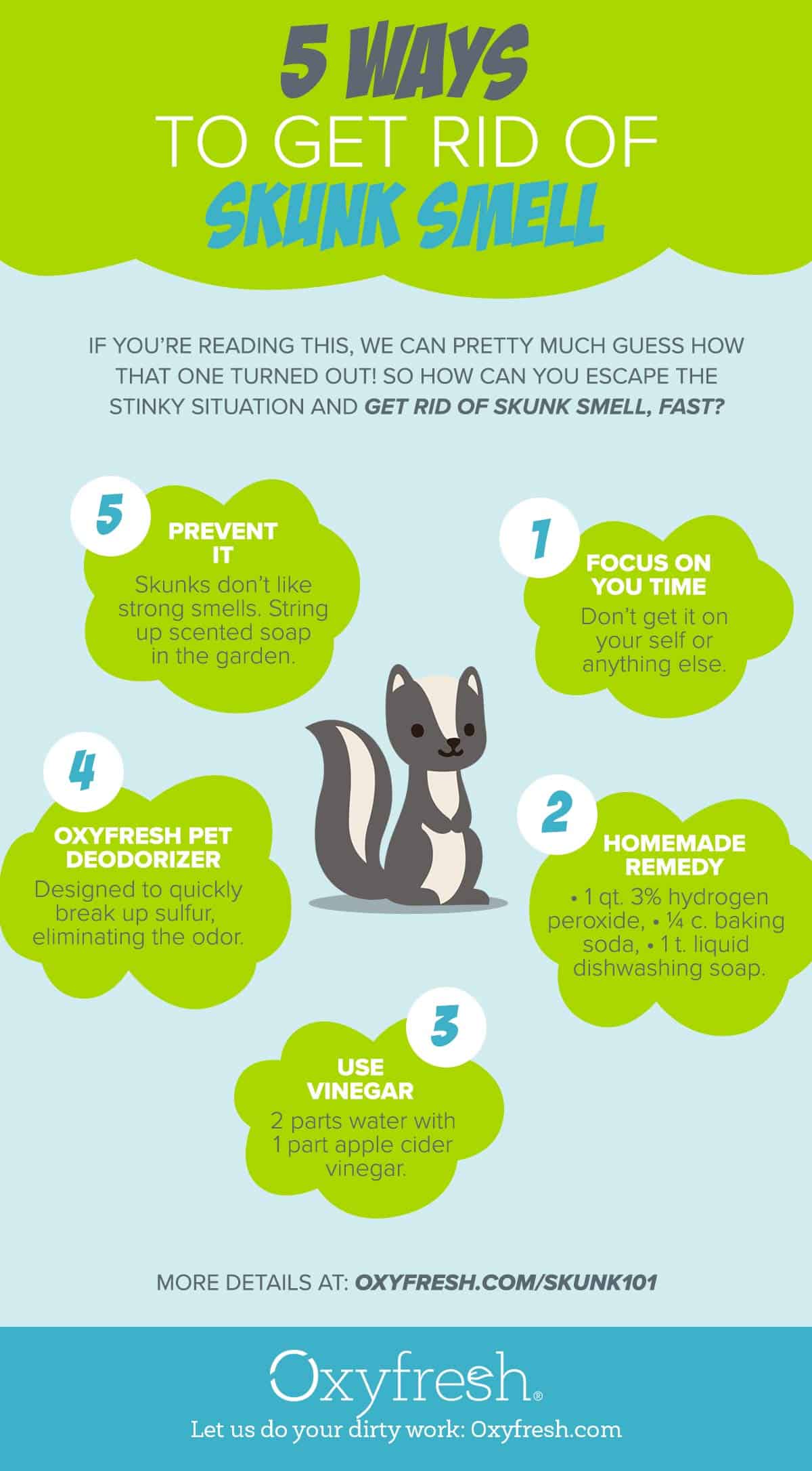
Home remedies are often the go-to solution for removing skunk odor due to their cost-effectiveness and proven efficacy. The most renowned mixture, often called the "skunk smell remover," involves hydrogen peroxide, baking soda, and dish soap. To prepare it, mix one quart of 3% hydrogen peroxide, 1/4 cup of baking soda, and a teaspoon of dish soap. This solution creates a powerful oxidizer that breaks down the sulfur compounds responsible for the smell, neutralizing the odor rather than just masking it.
Apply this mixture thoroughly to your dog’s coat, making sure to avoid the eyes, ears, and mouth. Work it into the fur gently and let it sit for about 5 to 10 minutes—do not leave it on for too long, as hydrogen peroxide can lighten or irritate sensitive skin or fur. After the allotted time, rinse your dog thoroughly with warm water, ensuring all the solution is washed away. Following this, shampoo your dog with a gentle pet-safe shampoo to remove any residual odor and chemicals. Repeat the process if the smell persists, but only after the first application has been thoroughly rinsed.
Beyond the peroxide-baking soda-soap mixture, other effective home remedies include diluted vinegar solutions or commercial enzymatic cleaners designed specifically for pet odors. Vinegar, with its acetic acid, can help neutralize odor molecules, but it’s best used as a rinse or spray and diluted appropriately to prevent skin irritation. Enzymatic cleaners work by breaking down organic compounds in the spray, making them highly effective at odor removal—many pet stores carry products specifically formulated for skunk odor. Whichever method you choose, always prioritize your dog’s comfort, and ensure the solution is fully rinsed out to prevent skin irritation or ingestion of harmful substances.
Additional Tips:
- Always perform a patch test with any home remedy on a small area first.
- Use gloves to protect your skin from strong chemicals.
- Repeat treatments as necessary, especially if the smell persists.
Professional Treatments and When to Seek Veterinary Assistance
While home remedies are effective for most cases, some situations demand professional treatment—particularly when the odor is stubborn, or your dog shows signs of distress. If your dog has a strong reaction to the spray, such as excessive tearing, eye redness, or difficulty breathing, immediate veterinary attention is essential. Skunk spray can cause irritation or even chemical burns if it contacts sensitive tissues, and a vet can provide appropriate eye washes, medications, or topical treatments to alleviate discomfort.
Veterinarians may also recommend specialized de-odorizing shampoos and cleansers that are formulated for pets and contain enzymatic or deodorizing agents. In some cases, your veterinarian might suggest sedation if your dog is highly stressed or uncooperative during cleaning, especially for large or long-haired breeds. Additionally, if your dog shows signs of skin irritation, rash, or allergic reactions after the spray, a vet can prescribe antihistamines or topical treatments to soothe the skin and prevent secondary infections.
In extreme cases where the odor persists despite multiple home treatments, veterinary clinics can offer more advanced options like professional grooming, medicated baths, or even intravenous fluids if your dog shows signs of distress or dehydration. Remember, seeking professional help not only ensures thorough odor removal but also safeguards your dog’s health. Always err on the side of caution and consult your veterinarian if you’re unsure about the severity of the situation or the appropriate treatment options.
Preventative Measures to Protect Your Dog from Future Skunk Encounters
Prevention is always better than cure, especially when it comes to skunks, which are nocturnal creatures with a keen sense of smell and an instinct to defend themselves. Simple preventative measures can significantly reduce the risk of future skunk encounters. Installing motion-activated sprinklers around your yard can startle skunks and keep them away from your property without harming them. Secure trash cans with tight-fitting lids and avoid leaving pet food outdoors, which can attract skunks and other wildlife.
Training your dog to avoid wildlife can also be an effective strategy. Use commands like "leave it" and "come" to discourage your dog from approaching or chasing animals that may be skunks. Keep your dog leashed during walks in areas where skunks are known to be active, such as wooded or rural areas. Regularly inspecting your yard for skunk dens or burrows and discouraging their habitat with natural repellents like citrus peels or predator urine can further minimize encounters.
Lastly, maintaining a healthy, well-fenced yard reduces the likelihood of your dog wandering into skunk territory. Consider planting natural deterrents such as garlic or hot pepper sprays around your property. Educate yourself about skunk behavior and their active periods, which are typically during dawn and dusk, so you can keep a closer watch during those times. Implementing these proactive strategies can save you from the hassle of cleaning up one of nature’s most pungent offenses again.
Conclusion
Getting rid of skunk odor from your dog can seem like a daunting task, but with timely action and the right approach, you can restore freshness and comfort to your furry friend. Understanding the chemistry behind skunk spray helps you choose effective removal methods, and preparing properly ensures a safe, successful cleaning process. Home remedies like hydrogen peroxide, baking soda, and dish soap are often enough, but knowing when to seek professional veterinary assistance can make all the difference for your pet’s health and comfort.
Prevention remains key—by implementing simple yard and training strategies, you can significantly decrease the chances of future skunk encounters. Remember, patience and promptness are your best allies in tackling skunk odor—your dog’s happiness and your home’s freshness depend on it. With these tips in mind, you’ll be better prepared to handle that unexpected spray and keep your four-legged friend smelling and feeling their best!