


How to Remove Tough Dirt Stains from Your Dog’s Coat Naturally
If you’ve ever looked at your dog after a muddy adventure or a playful romp in the outdoors, you know how stubborn dirt stains can be—especially on certain breeds with light-colored coats or dense fur. While a regular bath might suffice for everyday messes, tough dirt stains often require a bit more attention and the right approach, particularly if you prefer natural, chemical-free solutions. In this guide, we’ll explore effective ways to naturally remove those stubborn dirt marks from your dog’s coat, ensuring your furry friend stays clean, healthy, and comfortable.
Cleaning your dog’s coat of tough dirt stains isn’t just about aesthetic appeal; it’s also about maintaining their skin health and comfort. Properly addressing these stains helps prevent irritation and keeps your dog feeling fresh. Whether you’re dealing with muddy paw prints, grass stains, or stubborn grime from outdoor play, understanding how to assess, treat, and prevent these stains naturally can make a significant difference in your pet’s hygiene routine. Let’s dive into the steps to achieve a sparkling, stain-free coat without resorting to harsh chemicals.
Assessing the Dirt Stains and Preparing for a Dog Wash
Before diving into cleaning, it’s important to assess the nature and severity of the dirt stains on your dog’s coat. Different stains may require distinct approaches; for example, oily or greasy dirt can be more challenging than dry mud. Take a close look at the affected areas—note whether the dirt is superficial or embedded deeply into the fur. Gently run your fingers through the coat to check for any areas that are especially matted or sticky. This initial step helps you determine the best cleaning method and whether any pre-treatment is necessary.
Once you’ve assessed the stains, preparation is key. Gather all the supplies you’ll need to make the cleaning process smooth and stress-free—for instance, a gentle dog shampoo, natural stain removers like baking soda or apple cider vinegar, soft cloths, and brushes suited for your dog’s coat type. It’s also wise to keep a towel handy for drying and to ensure your dog is calm and comfortable before starting the wash. Creating a calm environment can reduce stress for your pet and make the cleaning process more effective.
Finally, consider the weather and setting. If you’re outdoors, choose a shaded, cool spot to prevent the water and cleaning solutions from drying too quickly or causing discomfort. If you’re indoors, use a non-slip mat in the bathtub or sink to prevent slipping. Proper preparation sets the stage for a successful, natural stain removal process, minimizing your dog’s stress and maximizing cleaning efficiency.
Choosing the Right Cleaning Products and Solutions for Tough Stains
When tackling tough dirt stains naturally, it’s important to select gentle, pet-safe cleaning solutions that effectively break down grime without irritating your dog’s skin or coat. Many commercial stain removers contain harsh chemicals, which can cause allergies or skin sensitivities, so opting for natural alternatives is a healthier choice. Common household ingredients like baking soda, apple cider vinegar, coconut oil, and gentle castile soap are excellent options that are both safe and effective.
Baking soda is a versatile cleaner that deodorizes and lifts dirt. Creating a paste by mixing baking soda with water allows you to apply it directly to stains, where it works to loosen dirt and neutralize odors. Apple cider vinegar diluted with water acts as a natural disinfectant and is especially useful for removing mineral deposits or greasy stains. For stubborn grime, a mixture of castile soap and water can gently clean without stripping natural oils. Additionally, coconut oil can help loosen greasy dirt and restore shine to dull coats.
When choosing solutions, always ensure they are pet-safe and used in appropriate dilutions. Avoid using essential oils or strong fragrances, as these can be irritating to dogs. If you’re uncertain, consult with your veterinarian for recommendations tailored to your dog’s specific coat type and skin sensitivities. Remember, natural doesn’t mean ineffective—when correctly applied, these ingredients can tackle even the most stubborn dirt stains gently and safely.
Step-by-Step Guide to Washing a Dog with Persistent Dirt Stains
Now that you’ve assessed the stains and selected appropriate natural cleaning solutions, it’s time to get your dog clean and stain-free. Begin by brushing your dog thoroughly to remove loose dirt and prevent mats, especially in areas where stains are prominent. Use a gentle brush suitable for your dog’s coat length and texture, and be patient to keep your pet relaxed. This step not only loosens dirt but also allows the cleaning solutions to penetrate more effectively.
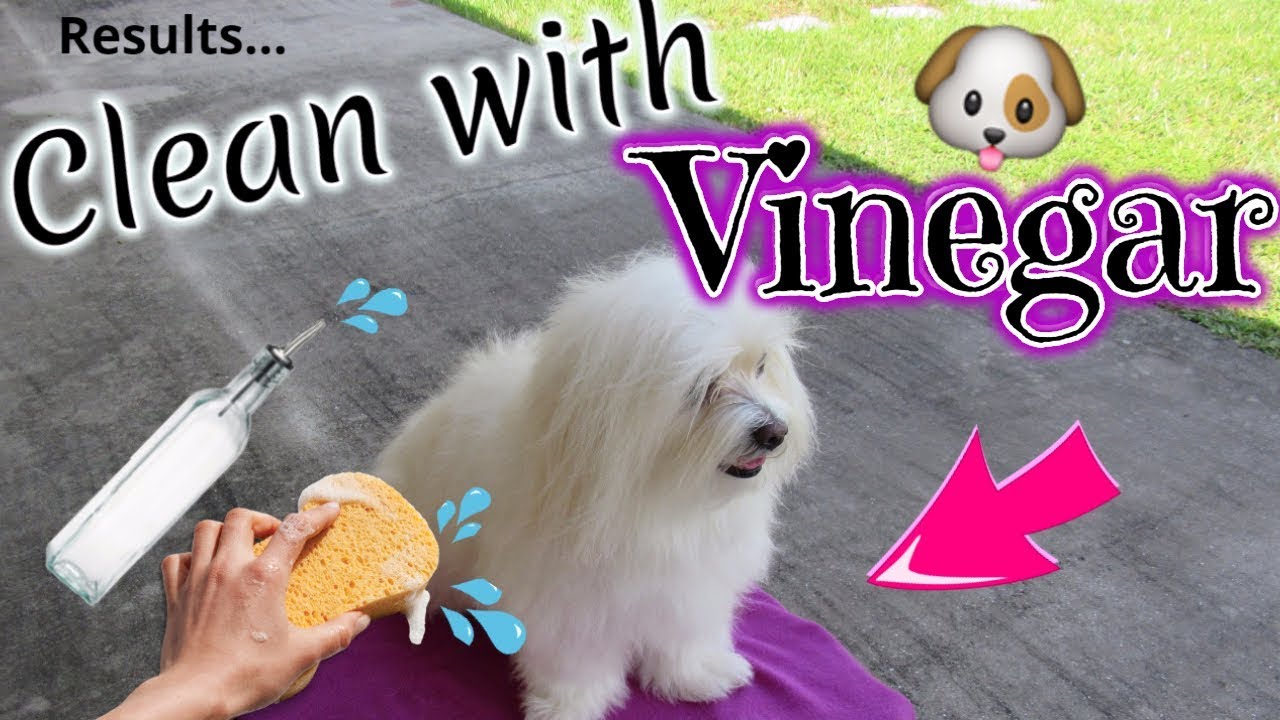
Next, prepare your natural cleaning mixture—whether it’s a baking soda paste, diluted apple cider vinegar, or castile soap solution—and apply it to the stained areas. Use a soft cloth or sponge to gently massage the solution into the coat, paying extra attention to stubborn spots. Let it sit for a few minutes to break down the dirt, then rinse thoroughly with lukewarm water. Avoid getting water directly into your dog’s ears and eyes, and keep the bathing process positive with treats and praise.
For particularly tough stains, repeat the process as needed, but always monitor your dog’s comfort. After rinsing, towel-dry your dog or gently use a blow dryer on a low, cool setting. Ensure the coat is completely dry to prevent skin irritation. Remember, patience is key—nature-based cleaning might take a little longer than commercial chemicals, but it’s far gentler and safer for your dog’s overall health. Regular brushing and spot cleaning can also make future stain removal easier.
Tips for Effectively Removing Stubborn Stains and Preventing Future Markings
Persistent dirt stains often require additional tactics for complete removal, especially if they’ve set into the coat. One effective method is combining natural stain removers—such as a mixture of baking soda and water or diluted apple cider vinegar—with gentle scrubbing. Using a soft-bristled brush or a cloth, work the solution into the fur carefully, then rinse thoroughly. Consistency is key; regularly scheduled baths and spot cleanings prevent stains from becoming deeply ingrained, making them easier to remove over time.
To prevent future markings, consider integrating preventive measures into your dog’s routine. Regular grooming and brushing remove loose dirt and prevent buildup, reducing the chance of stubborn stains. Protect high-risk areas during outdoor adventures—such as paws, legs, and belly—by wiping them with natural wipes or damp cloths after playtime. Improving your dog’s diet with natural, skin-friendly supplements can also enhance coat health, making it more resistant to dirt and stains.
Finally, keep your outdoor environment clean and free of muddy patches or debris that could contribute to staining. Training your dog to avoid certain areas or installing designated play zones with less dirt can also be effective. By combining thorough cleaning techniques with proactive prevention, you’ll help maintain a pristine coat and reduce the frequency of tough stains, all while nurturing your dog’s overall well-being.
Post-Wash Care and Maintenance for a Clean, Healthy Dog Appearance
After successfully removing tough dirt stains, proper post-wash care is essential to maintain your dog’s healthy, shiny coat. Gently brushing your dog’s fur after the bath helps distribute natural oils, promotes a smooth appearance, and removes any remaining loose hair or dirt. This step also helps prevent mats and tangles, especially in long-haired breeds. Use a gentle brush suited to your dog’s coat type, and always be patient and gentle to keep your pet comfortable.
Maintaining your dog’s hygiene doesn’t end with a single bath. Regular grooming and spot cleaning can prevent dirt accumulation and reduce the need for intensive stain removal. Incorporate natural coat conditioners like diluted apple cider vinegar rinse or coconut oil massages to keep the coat shiny and moisturized. These natural treatments support skin health, reduce dryness, and can even help repel dirt and mud in future outings.
Finally, observe your dog’s skin and coat for any signs of irritation or allergies. If you notice redness, excessive scratching, or dryness, consult your veterinarian for advice. Maintaining a consistent grooming routine combined with natural cleaning solutions ensures your dog stays clean, comfortable, and healthy. Remember, a clean coat not only looks great but also contributes to your dog’s overall health and happiness.
In Conclusion
Removing tough dirt stains from your dog’s coat naturally is not only feasible but also beneficial for your pet’s health and well-being. By carefully assessing the stains, choosing gentle natural solutions, and following a step-by-step cleaning process, you can effectively tackle stubborn grime without resorting to harsh chemicals. Remember to incorporate regular grooming and preventive measures to keep your dog looking pristine and feeling comfortable. A clean, healthy coat reflects your love and care—so give your furry friend the gentle, natural cleaning they deserve.
Taking the time to understand your dog’s unique needs and using safe, natural products ensures that bath time becomes a positive experience for both of you. Happy cleaning!