


How to Safely Bathe a Dog with a Broken Tail or Injury: Tips & Advice
Caring for a dog with a broken tail or other injuries can be a delicate process. Not only does it require extra patience and care, but it also demands a thoughtful approach to prevent further harm and promote healing. Bathing a dog in such a vulnerable state might seem daunting, but with the right knowledge and gentle techniques, you can keep your furry friend clean and comfortable without risking setbacks. This guide will walk you through assessing the injury, choosing suitable products, bathing safely, caring for the healing area, and preventing infection—all tailored to dogs with tail injuries or other wounds.
Assessing the Injury and Preparing for the Bathing Process
Before you even turn on the water, it’s crucial to evaluate the injury thoroughly. Identify the severity of your dog’s injury—is the tail broken with visible fractures, or does it involve deep cuts or swelling? If the injury is severe, with bleeding, swelling, or signs of infection, consult your veterinarian immediately before attempting to bathe your dog. A professional assessment ensures you understand the injury’s extent and any restrictions during the healing process.
Once you’ve gauged that bathing is safe, prepare your space and supplies. Use a calm, quiet environment to reduce your dog’s anxiety. Gather everything you need in advance—gentle shampoo, soft towels, a non-slip mat, clean water, cotton balls, and possibly a protective cone to prevent your dog from licking the injured area. Make sure the area is warm and free of drafts to avoid chilling your dog, especially since injuries can make them more sensitive to cold. Additionally, keep your veterinarian’s contact information handy in case unexpected issues arise during the process.
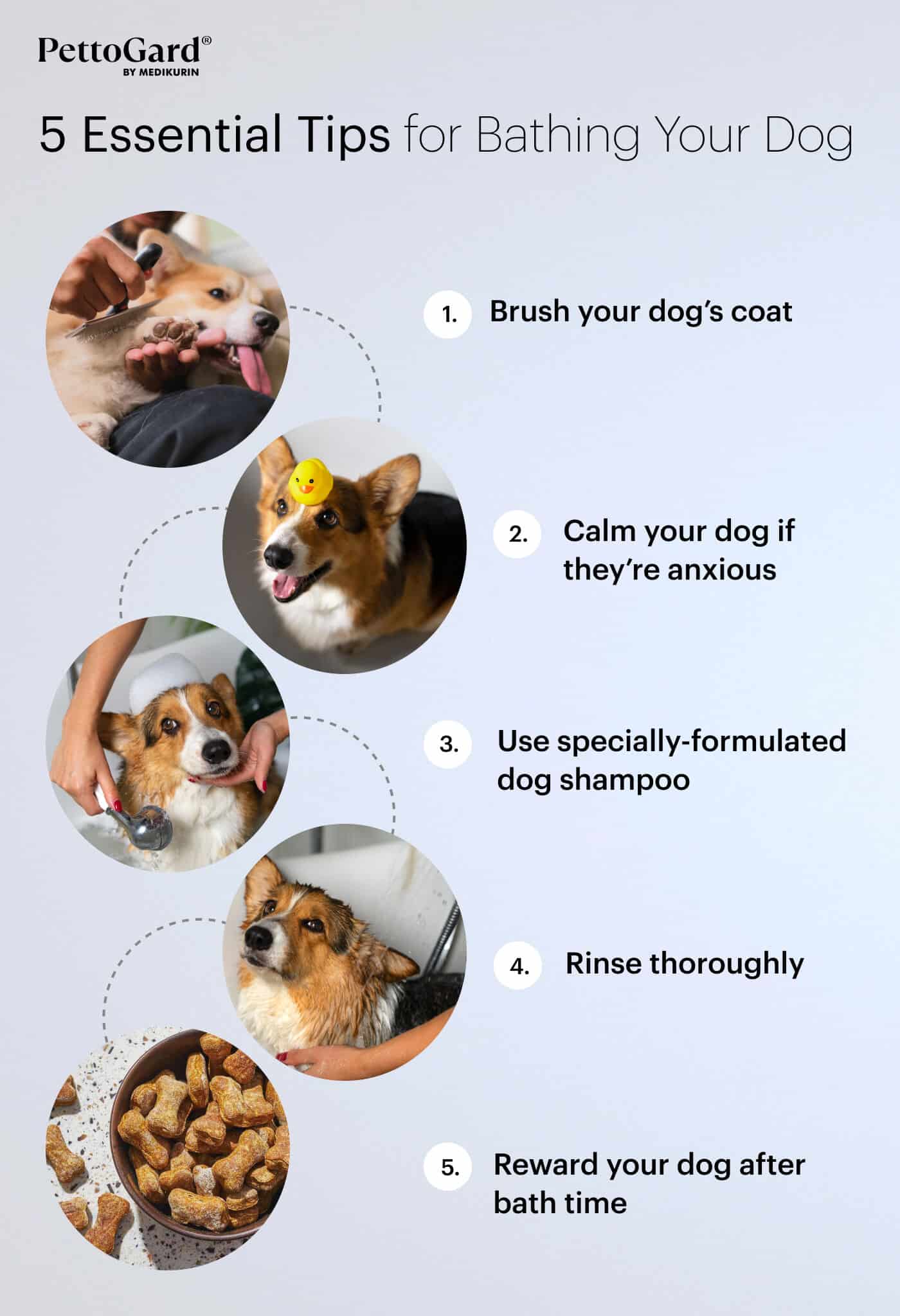
Finally, approach your dog with patience. Talk softly, offer treats, and if your dog is anxious or fearful, consider using calming aids recommended by your vet. Handling your dog gently reduces stress and minimizes the risk of aggravating the injury. Always inspect the injury site thoroughly before bathing—look for swelling, bleeding, or other signs of worsening—and only proceed if you’re confident it’s safe. If unsure, it’s always best to seek professional guidance.
Choosing Gentle, Suitable Cleaning Products for Injured Dogs
A safe bath begins with the right products. Dogs with tail injuries or other wounds require mild, hypoallergenic shampoos that won’t irritate their skin or compromise the healing process. Regular human soaps or harsh pet shampoos can contain chemicals that cause dryness, itching, or inflammation, which can interfere with recovery. Look for shampoos specifically formulated for sensitive or injured skin, ideally those recommended by your veterinarian.
Avoid medicated shampoos unless prescribed by your vet. While medicated options can help treat infections, improper use might delay healing or cause additional irritation. Instead, opt for gentle, soap-free cleansers or natural options containing soothing ingredients like oatmeal or aloe vera. These ingredients can help calm irritated skin and provide comfort during the bath. Remember to read labels carefully and prioritize products that are free from artificial fragrances, dyes, and harsh detergents.
Another crucial tip is to use lukewarm water—not hot or cold—to prevent thermal shock or discomfort. Hot water can dry out the skin and worsen inflammation, while cold water could cause your dog to tense up, making the process more difficult. Additionally, avoid getting water directly into the ears or open wounds, which could cause pain or introduce bacteria. Always patch-test a small area first to ensure the product doesn’t cause an adverse reaction.
Safely Washing a Dog with a Broken Tail or Injury
When bathing a dog with an injury, gentle handling is paramount. Start by securing your dog on a non-slip surface—using a rubber mat in the sink or tub—to prevent slips that could aggravate injuries. Use slow, smooth movements and support your dog’s body, especially around the injured area, to reduce stress and prevent accidental pain. Talk softly throughout the process to keep your dog calm, and consider having a second person assist if your dog is large or particularly anxious.
Apply the cleaning solution carefully, avoiding direct contact with the injury site unless instructed otherwise by your vet. Use a soft cloth or sponge to gently cleanse around the injured area, taking care not to scrub or apply pressure directly on the wound or fractured tail. If the injury involves open wounds, it’s often best to keep those areas dry during bathing unless your veterinarian recommends otherwise. When rinsing, use a gentle stream of lukewarm water, being cautious around sensitive or injured tissues.
After washing, pat your dog dry with a soft towel rather than rubbing, which can cause discomfort or disrupt healing. Focus on keeping the injured area dry and clean during the process. If your dog’s injury is on or near the tail, consider trimming hair around the wound area beforehand to facilitate better cleaning and monitoring. Always monitor your dog’s reactions and stop immediately if they show signs of pain or distress, and consult your vet if you’re unsure about any part of the bathing procedure.
Drying and Caring for Your Dog’s Healing Injured Area
Proper drying is an essential step that often gets overlooked but is critical for preventing infection and promoting healing. Gently pat your dog dry with a clean, soft towel, avoiding vigorous rubbing that can irritate the skin or dislodge healing tissues. For areas around the injury, use a separate towel or cloth to prevent cross-contamination. If your dog’s injury involves an open wound or stitches, ask your vet if you should apply any topical medication or protective dressings before drying.
In some cases, your veterinarian might recommend using a fan or blow dryer on a cool setting to thoroughly dry the area—especially if your dog has thick fur or the injury is moist. This helps reduce moisture buildup, which can harbor bacteria and lead to infections. Remember, never use a hot air setting; excessive heat can cause burns or increase inflammation. Keep the dryer at a safe distance and continually monitor your dog’s comfort.
Once the area is dry, inspect it carefully for signs of infection—such as redness, swelling, or discharge. Keep the environment around your dog clean and dry to support the healing process. If your dog needs to wear a protective cone or bandage, ensure it’s fitted correctly and check regularly for signs of irritation or moisture buildup. Also, follow your veterinarian’s advice regarding topical treatments, bandage changes, or other post-bath care to optimize recovery.
Tips for Monitoring and Preventing Infection During Recovery
Monitoring your dog closely during recovery is key to catching complications early. Regularly check the injured area for signs of infection, including increased redness, swelling, warmth, pain, or discharge. If your dog starts licking or scratching the injury excessively, consider using an Elizabethan collar (cone) to prevent self-inflicted damage or contamination. Keep a detailed record of any changes and discuss them with your vet to tailor your care plan.
Maintaining cleanliness is fundamental in preventing infection. Change bandages as directed by your veterinarian, and keep the area dry and protected. If your dog’s injury involves stitches, ensure they are intact and not pulling or loosening. Avoid bathing your dog more frequently than recommended, as over-washing can strip natural oils and delay healing. Instead, focus on gentle cleaning around the injury site as instructed.
Preventative measures also include limiting your dog’s activity to avoid stress on the injury, which can lead to reopening or worsening of the wound. Keep your dog in a quiet, comfortable space during recovery and avoid rough play or jumping. Ensure your dog is on a nutritious diet to support immune health and healing. Finally, stay in close contact with your veterinarian—they can provide guidance on signs of infection, wound care, and when to seek urgent help.
Conclusion
Caring for a dog with a broken tail or injury requires patience, gentle handling, and a thorough understanding of wound management. By carefully assessing the injury, selecting appropriate cleaning products, and bathing your dog with care, you can minimize discomfort and promote faster healing. Proper drying, ongoing monitoring, and preventive measures are equally vital to prevent infection and complications. Remember, when in doubt, consult your veterinarian for personalized advice tailored to your dog’s specific injury. With compassion and diligent care, you’ll help your furry friend recover comfortably and quickly, returning to their happy, healthy self.