


How to Safely Bathe a Dog with a Fractured Limb: Tips and Care Guide
Caring for a dog with a fractured limb requires special attention, especially when it comes to bathing. While regular grooming is essential for your pet’s health and comfort, a broken limb adds an extra layer of complexity and caution. Proper bathing techniques can prevent discomfort, further injury, or stress, ensuring your furry friend stays clean and comfortable during recovery. This guide provides a detailed, step-by-step approach to safely bathing a dog with a fractured limb, covering everything from preparation to post-bath care, with tips to minimize stress and maximize safety.
Whether you’re a seasoned pet owner or new to caring for a dog with an injury, understanding how to adapt your routine is crucial. Let’s dive into the strategies that will help you provide gentle, effective care while keeping your dog safe and calm throughout the bathing process.
Preparing the Bathing Area and Gathering Necessary Supplies
Creating a well-organized and accessible bathing environment is the first step toward a safe grooming experience for your injured dog. Choose a space that is easy to clean and has enough room for you to maneuver without risking further injury or discomfort. A bathtub, walk-in shower, or even a large basin can work, depending on your dog’s size and mobility level. Use non-slip mats both inside and outside the bathing area to prevent slipping, which could cause pain or additional injury.
Gather all supplies beforehand to minimize the need to leave your dog unattended. Essential items include gentle dog-specific shampoo, clean towels, a handheld showerhead or a cup for rinsing, and perhaps a long-handled brush or sponge for gentle cleaning. If your dog has trouble standing or balancing, consider using a harness or towel sling to support them during the bath. Keep a leash nearby in case you need extra control, but ensure it’s not pulling on the injured limb. Having everything within reach reduces the risk of accidental drops or hurried movements that could cause pain or panic.
Lastly, ensure the environment is warm and free of drafts. Dogs with injuries are often more sensitive to cold and stress, so maintaining a comfortable temperature helps keep them calm. If your home is cold, consider using a space heater or keeping the room at a cozy temperature. This preparation not only promotes safety but also makes the entire bathing process more relaxed and manageable for both you and your dog.
Ensuring Safety and Comfort for a Dog with a Fractured Limb
Safety and comfort are paramount when bathing a dog with a fractured limb. First, consult with your veterinarian about any restrictions or special instructions specific to your dog’s injury. They might advise you to avoid certain movements or positions that could worsen the fracture. Always handle your dog gently, supporting the injured limb as much as possible without causing additional pain. Using soft, supportive materials like towels or foam pads can help stabilize the limb during bathing.
To prevent your dog from slipping or panicking, keep the bathing process slow and steady. Use slow, deliberate movements and speak softly throughout the process to reassure your pet. If your dog is anxious or non-cooperative, consider having a helper to gently hold and support them, particularly focusing on stabilizing the injured limb. Avoid lifting or dragging your dog, as this can cause discomfort or exacerbate the injury. Instead, support their body and limb with your hands or towels, ensuring they feel secure and less stressed.
Additionally, never force your dog into the bath or try to rush through the process. Recognize signs of discomfort or distress and pause if needed. Always keep an eye on your dog’s breathing and overall demeanor, and be ready to stop the bathing session if your pet shows signs of pain or excessive anxiety. Remember, the goal is to keep your dog clean while minimizing any additional stress or harm, making patience and gentle handling your top priorities.
Proper Techniques for Bathing a Dog with Limited Mobility
When bathing a dog with limited mobility or a fractured limb, adapting your techniques is essential for a safe and effective experience. Start by supporting your dog’s body and injured limb with your hands or towels to prevent unnecessary movement. For dogs who cannot stand, consider bathing them in a large basin or tub where they can sit or lie comfortably. Use a non-slip mat for extra stability, and fill the basin with lukewarm water—never hot, as it can cause discomfort or burns.
Use a handheld showerhead or a cup to gently rinse your dog, avoiding direct water pressure on the injured limb. This helps prevent pain or accidental jostling of the fracture site. When applying shampoo, use gentle, broad strokes to clean your dog’s coat, focusing on areas that need it most. Take care to keep the shampoo away from their face and ears, and rinse thoroughly to prevent skin irritation. During rinsing, support the injured limb with your hand or towel, avoiding movement that could aggravate the fracture.
As you wash and rinse, take frequent breaks if needed, especially if your dog appears stressed or uncomfortable. Be patient and gentle, and never tug or pull on the injured limb. If your dog is small or able to be lifted safely, you can support them with a towel or harness to keep them stable. For larger or more fragile dogs, consider enlisting help to keep their body supported without causing discomfort. The key is a slow, careful approach that prioritizes your dog’s physical and emotional well-being.
Post-Bath Care and Monitoring for a Dog with a Fractured Limb
After the bath, dry your dog thoroughly using soft towels, paying special attention to the injured limb. Gently pat—avoid rubbing vigorously, which could cause pain or discomfort. If your dog has a bandage or splint, ensure it remains dry; moisture can lead to skin irritation or infection. Use a blow dryer on a low, cool setting if your dog tolerates it, but be cautious about directing airflow near the injured area. Keep your dog in a warm, draft-free space until fully dry to prevent chills, which dogs with injuries are particularly susceptible to.
Monitoring your dog after bathing is crucial for signs of discomfort or complications. Check the injured limb for swelling, redness, or signs of pain, such as whimpering or reluctance to move. Observe their overall behavior—any signs of distress, lethargy, or changes in appetite may indicate discomfort or other issues. Ensure that the limb remains immobilized if your veterinarian has prescribed a splint or bandage, and avoid putting pressure on it. Keep your dog confined to a small, comfortable space to limit unnecessary movement that could hinder healing.
Furthermore, continue to follow your veterinarian’s instructions regarding medication, wound care, and activity restrictions. Record any unusual signs or behaviors to discuss during follow-up visits. Consistent monitoring after bathing helps catch any issues early, ensuring your dog’s recovery stays on track. Regular check-ins provide peace of mind and help you address any problems before they escalate.
Tips for Preventing Stress and Ensuring a Calm Bathing Experience
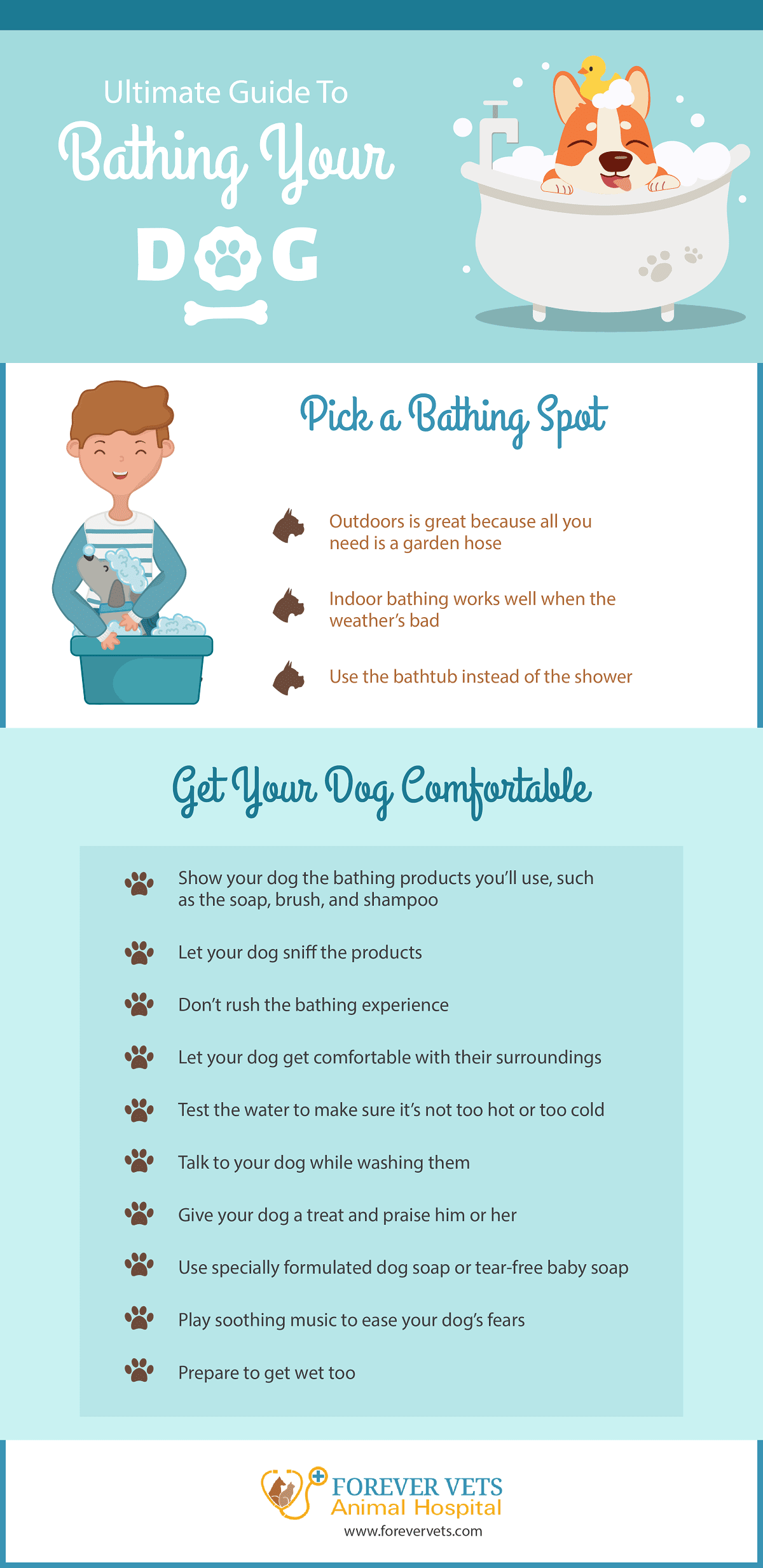
A calm, stress-free bathing experience is vital for a dog with a fractured limb. Start by creating a positive environment—use soothing voice tones, gentle handling, and familiar scents like your own clothing or calming sprays. Introduce your dog gradually to the bathing area before the actual process begins; let them sniff around and associate the space with comfort rather than fear. Offering treats and praise throughout can reinforce good behavior and help your dog associate bath time with positive outcomes.
Timing your bath when your dog is calm or relaxed—such as after exercise or a walk—can make the process smoother. Keep sessions brief and focus on maintaining a steady, gentle routine. Use distraction techniques like toys or calming music to help divert attention from the procedure itself. Having a calm, patient attitude is contagious; if you appear anxious or rushed, your dog will pick up on that stress, making the experience more difficult for both of you.
Finally, consider enrichment or calming aids if your dog is particularly anxious. Items like pheromone diffusers, calming collars, or natural supplements (after consulting your vet) can help reduce stress. Remember, patience and consistent reassurance are key—never force your dog into the bath or punish them if they become distressed. Creating a safe, loving environment encourages cooperation and makes future grooming sessions easier, even during recovery from an injury.
Conclusion
Bathing a dog with a fractured limb requires extra care, patience, and preparation—but with the right approach, it can be a safe and manageable part of their recovery process. Prioritizing safety by preparing the space, gathering supplies, and supporting your injured pet creates a calm environment that reduces stress and prevents accidental pain. Using gentle, adapted techniques for limited mobility ensures your dog stays clean without risking further injury.
Post-bath monitoring is equally important to catch any signs of discomfort or complications early, helping your dog heal comfortably. Additionally, employing stress-reduction tips fosters a positive experience, making future grooming sessions easier and less stressful for everyone involved. Remember, your gentle handling, patience, and attention to your dog’s unique needs make all the difference in helping them recover happily and healthfully.
By following these guidelines, pet owners can confidently care for their injured dogs during bath time, ensuring safety, comfort, and well-being every step of the way.