


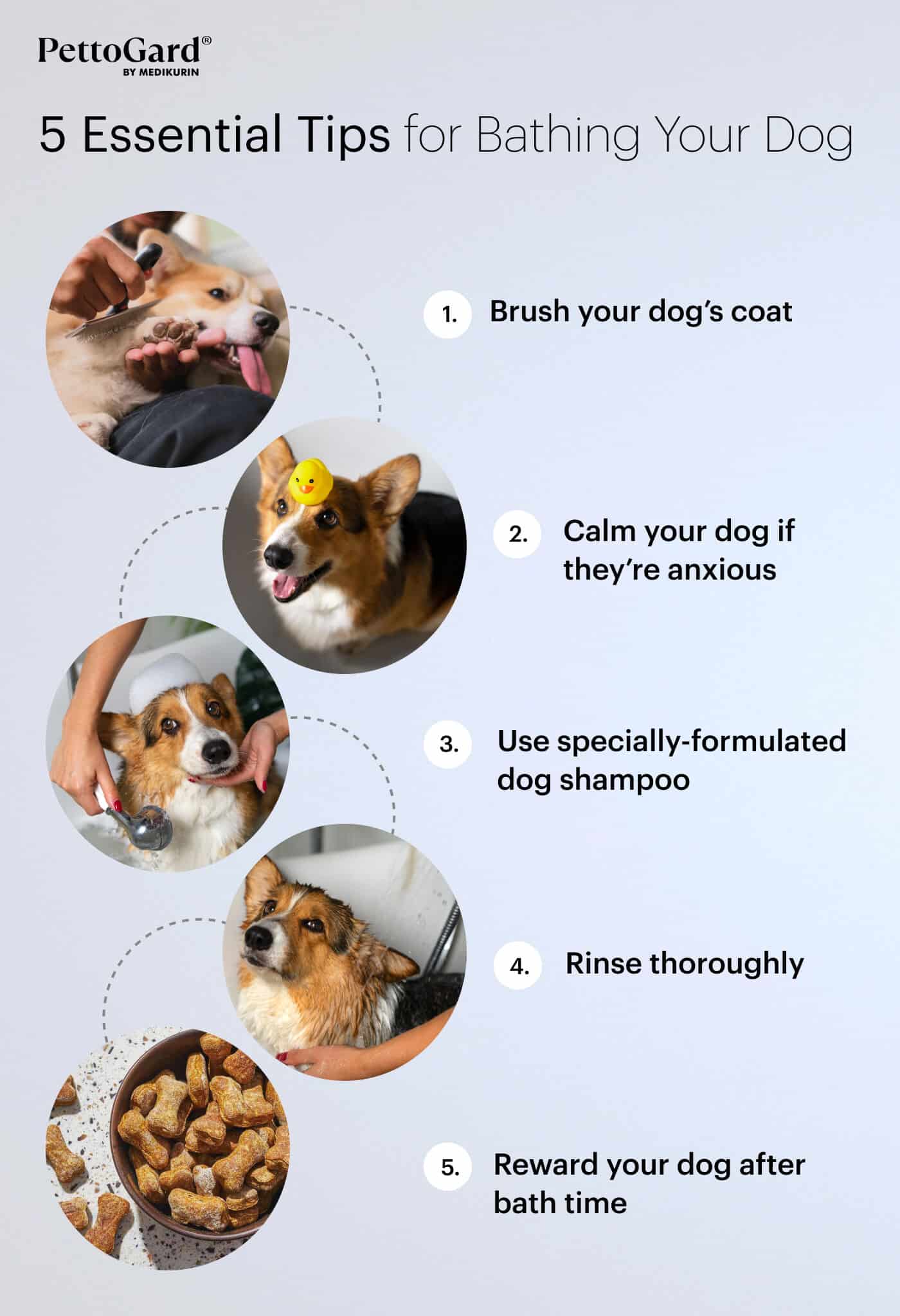
How to Safely Bathe a Dog with Skin Conditions: Tips for Gentle Care
Caring for a dog with skin conditions can be a delicate balancing act — you want to keep their coat clean without exacerbating irritation or discomfort. Bathing is a crucial part of managing skin issues, but it requires special care and attention. If you’re wondering how to give your furry friend a safe, soothing bath that promotes healing rather than harm, you’re in the right place. This article will guide you through understanding your dog’s skin condition, choosing the right products, and following gentle bathing techniques that protect your pup’s delicate skin. Whether your dog suffers from allergies, dermatitis, or other skin issues, these tips aim to make bath time safe, effective, and stress-free.
Understanding Your Dog’s Skin Condition and Preparing for Bathing
Before you even turn on the water, it’s essential to understand the specific skin condition affecting your dog. Skin issues can range from dry, flaky patches to inflamed, itchy areas or open sores. Consulting your veterinarian is the best first step — they can diagnose the exact problem and recommend an appropriate treatment plan. Knowing whether your dog has bacterial infections, fungal issues, allergies, or seborrhea will influence your bathing routine and the products you choose.
Preparation is key for a safe bath. Gather all necessary supplies beforehand, including vet-recommended shampoos, towels, and any medicated topical treatments. Make sure the bathing area is calm and quiet to reduce stress, and consider using non-slip mats to prevent slipping and injury. It’s also important to keep your dog calm and relaxed—sometimes, this involves gentle petting or offering treats to create a positive association with bath time. Be mindful of your dog’s temperament and sensitivities; some may require extra patience, especially if their skin is painful or inflamed.
Furthermore, assess the environment to ensure water temperature is lukewarm—not too hot or cold—as extreme temperatures can worsen skin irritation. When bathing a dog with skin conditions, gentle handling minimizes stress and prevents additional trauma to sensitive skin. Always follow your veterinarian’s specific instructions, especially if your dog is on medication or topical treatments, and inform yourself about any restrictions during bathing, such as avoiding certain areas or products.
Selecting the Appropriate Dog-Friendly Shampoo and Skin Care Products
Choosing the right shampoo is critical for dogs with skin issues. Commercial regular shampoos often contain harsh chemicals and fragrances that can aggravate sensitive skin. Instead, opt for dog-specific shampoos formulated for skin conditions — these are usually medicated, hypoallergenic, or designed to support skin healing. Ingredients like oatmeal, aloe vera, or ceramides can soothe inflammation, moisturize dry patches, and promote skin barrier repair.
Always read labels carefully and select products recommended by your veterinarian. For example, shampoos containing chlorhexidine are effective against bacterial infections, while those with miconazole target fungal issues. If your dog is allergic to certain ingredients, look for fragrance-free, hypoallergenic options. Avoid using human shampoos, as they often have a different pH balance that can disrupt your dog’s skin and worsen irritation.
In addition to medicated shampoos, consider adding other skin care products such as topical sprays or conditioners recommended by your vet. These can help maintain the skin’s moisture barrier after bathing and reduce itchiness. Remember, over-bathing can strip natural oils and worsen dryness, so follow your veterinarian’s guidance on bathing frequency — typically, dogs with skin conditions are bathed less often, usually every 1-2 weeks, to prevent further irritation.
Step-by-Step Guide to Safely Bathing a Dog with Skin Issues
Bathing a dog with skin conditions requires gentle, methodical steps. Start by gently brushing your dog to remove loose hair and debris — this helps prevent matting and ensures the shampoo reaches the skin effectively. Before wetting your dog, apply any prescribed topical treatments or medications as directed by your veterinarian, often before the bath or after, depending on the treatment.
Use lukewarm water to thoroughly soak your dog’s coat, avoiding the head and face unless the vet approves. When applying shampoo, use gentle, massaging strokes to minimize discomfort and ensure even coverage, paying particular attention to affected areas. Be cautious to avoid scrubbing harshly — instead, gently work the shampoo into the skin and let it sit for the recommended time, allowing active ingredients to work effectively. Rinse thoroughly to remove all traces of shampoo, as residual product can cause further irritation or dryness.
Once the bathing is complete, carefully dry your dog with a soft towel, patting instead of rubbing to prevent aggravating inflamed skin. If your dog tolerates it, a blow-dryer on a low, cool setting can be used, but always keep the air at a safe distance to prevent overheating or burns. Throughout the process, maintain a calm environment, speaking softly to reassure your dog, and keep the bath experience as gentle and stress-free as possible.
Tips for Post-Bath Skin Care and Preventing Further Irritation
After bathing, the focus shifts to maintaining healthy skin and preventing further irritation. Use a clean towel to thoroughly dry your dog, especially in skin folds or areas prone to moisture retention, which can promote bacterial or fungal growth. Applying a vet-recommended moisturizer or soothing spray can help restore the skin’s natural barrier and reduce dryness or itchiness.
Regularly inspecting your dog’s skin after baths allows you to catch early signs of irritation, infection, or worsening symptoms. If your dog has open wounds or raw patches, avoid applying any products unless prescribed by your vet. Keeping your dog’s bedding, toys, and living environment clean and dry also minimizes the risk of irritants or allergens coming into contact with their skin.
In addition, prevent excessive scratching or biting by providing appropriate environmental enrichment and distraction. Regularly moisturizing and using protective clothing or Elizabethan collars can help prevent your dog from damaging their skin further. Remember that consistency is key — sticking to the prescribed bathing routine and skin care regimen will support faster healing and reduce the chances of flare-ups.
Monitoring and Managing Your Dog’s Skin Health During and After Baths
Ongoing monitoring is essential for managing skin conditions effectively. Keep a detailed record of your dog’s skin reactions, noting any changes in appearance, texture, or behavior. Watch for signs of worsening, such as increased redness, swelling, odor, or hair loss, and report these to your veterinarian promptly. Regular checkups can help adjust treatments as needed and ensure your dog’s skin remains as healthy as possible.
During baths, observe how your dog reacts to different products and techniques. If your dog shows signs of discomfort or increased irritation, consult your vet about alternative shampoos or bathing schedules. It’s also helpful to monitor environmental factors such as exposure to pollen, dust, or certain cleaning agents that could trigger skin flare-ups. Managing these external irritants can significantly improve your dog’s comfort and skin health.
Lastly, incorporate daily skin care practices into your routine, such as gentle brushing, moisturizing, or applying prescribed topical treatments. Educate yourself on common signs of skin problems and stay proactive in seeking veterinary advice when needed. With attentive care and gentle handling, you can help your dog manage their skin condition effectively, ensuring they stay comfortable, happy, and healthy.
Conclusion
Caring for a dog with skin conditions requires patience, knowledge, and a gentle approach to bathing. By understanding your pup’s specific skin needs, selecting appropriate products, and following a careful bathing routine, you can help soothe irritation and promote healing. Post-bath care, environmental management, and ongoing monitoring are equally vital in preventing flare-ups and supporting your dog’s overall skin health. Remember, always work closely with your veterinarian to tailor a skin care plan suited to your dog’s unique needs. With compassionate, informed care, you can make bath time a positive experience that contributes to your dog’s comfort and well-being.