


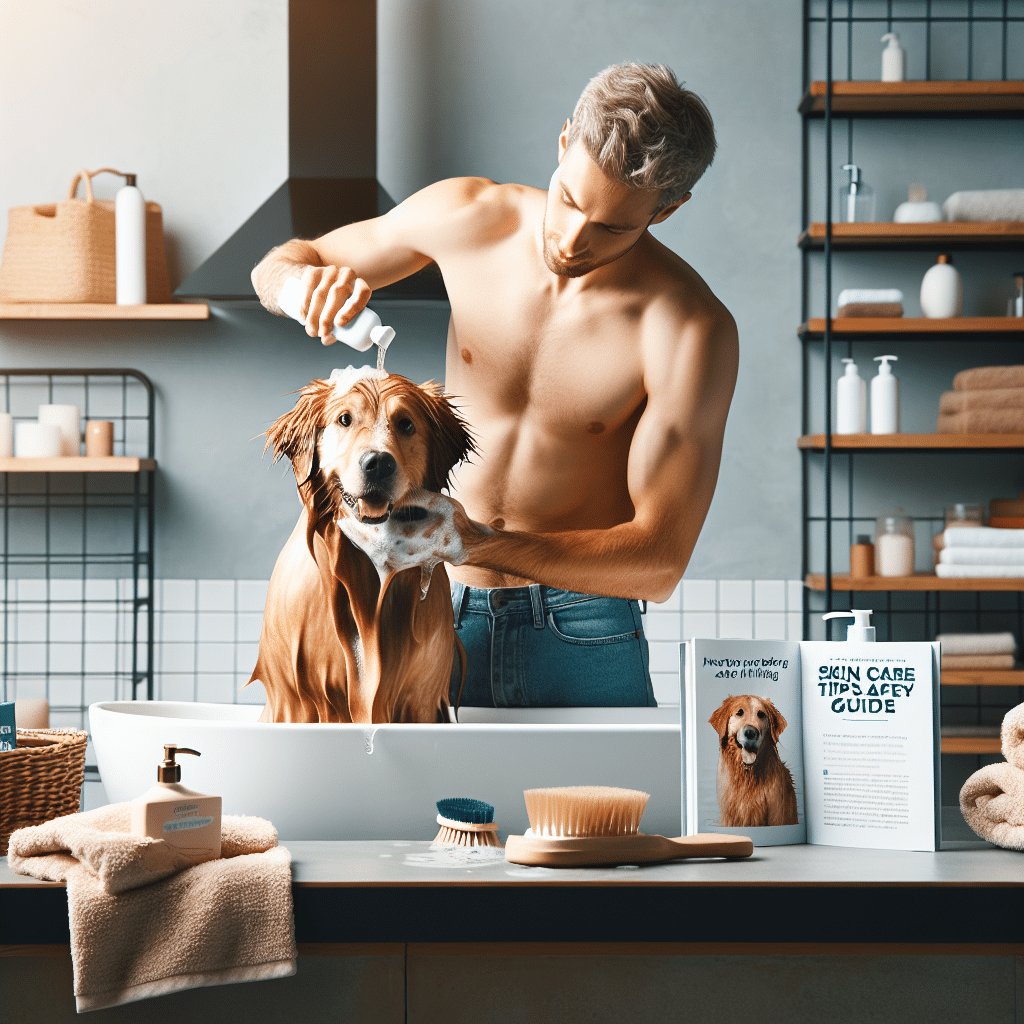
How to Safely Bathe Your Dog After Hiking: Skin Care Tips and Safety Guide
Hiking with your dog is a fantastic way to enjoy nature, get exercise, and strengthen your bond. However, after a vigorous outdoor adventure, your furry friend may be covered in dirt, mud, plant debris, and even ticks or fleas. Bathing your dog afterward not only keeps them smelling fresh but also promotes skin health and prevents infections. But giving your dog a bath after hiking isn’t as simple as turning on the water—there are important steps to ensure safety, skin care, and effective cleaning. This article provides a detailed guide on how to safely bathe your dog after hiking, including best practices, product choices, skin care tips, and troubleshooting common skin issues. Whether you’re a seasoned hiker or a casual weekend adventurer, these insights will help keep your dog healthy, comfortable, and happy.
Preparing Your Dog for a Post-Hike Bathing Session
Before you even step into the bath, preparing your dog is essential to make the process smoother and safer. First, assess your dog’s condition—look for any cuts, scrapes, or signs of irritation that might need special attention before bathing. If your dog has sensitive skin or pre-existing skin issues, consult your veterinarian for tailored advice. Brushing your dog thoroughly before the bath can help remove loose dirt, mud, and debris, making the bathing process easier and more effective. Plus, brushing stimulates blood flow and distributes natural oils, which benefits skin health.
Second, ensure your bathing area is safe and comfortable. Use a non-slip mat in the tub or shower to prevent slipping accidents, especially for older or small dogs who might feel unsure on slick surfaces. Gather all necessary supplies beforehand: dog-friendly shampoo, towels, brushes, and drying tools. This preparation minimizes the time your dog spends waiting and reduces stress. Remember to keep the water at a lukewarm temperature—not too hot or cold—as dogs are sensitive to temperature extremes, and hot water can dry out their skin.
Finally, consider your dog’s temperament and anxiety level. If your pup is nervous about baths, introduce calming techniques such as gentle praise, treats, or a calming voice. Introducing your dog gradually to the bathing environment—perhaps by allowing them to explore the area beforehand—can reduce stress. For anxious dogs, using a harness or leash during bathing can help you maintain control and keep your dog calm. Proper preparation sets the foundation for a safe, effective, and stress-free bathing experience.
Best Practices for Safe and Effective Dog Bathing After Hiking
When it’s time to bathe your dog, safety and patience are key. Start by wetting your dog’s coat thoroughly with lukewarm water, avoiding the face and ears initially to prevent discomfort. Use a gentle, dog-specific shampoo formulated for their skin type—never use human shampoo, which can disrupt their skin’s natural oils and cause irritation. Work the shampoo into a rich lather, paying attention to areas prone to dirt buildup like paws, underbelly, and around the face, but be cautious around sensitive areas such as the eyes, ears, and nose.
During the bath, keep a close eye on your dog’s reaction. If your dog shows signs of stress or discomfort, pause and take deep breaths to reassess. Rushing through the process can lead to accidents or injuries, especially if your dog squirms or tries to escape. After shampooing, rinse thoroughly to remove all soap residues, as leftover shampoo can cause skin irritation or itching. Using a gentle, steady stream of water helps flush out dirt and shampoo, ensuring a clean, healthy coat.
Once the bathing is complete, gently squeeze out excess water from the coat and avoid vigorous towel-drying, which can cause matting or skin irritation. Instead, wrap your dog in a soft, absorbent towel and gently pat dry. For dogs with thick or long coats, a blow dryer on a low, cool setting can speed up drying, but always keep the dryer moving to prevent overheating or burning the skin. Patience, gentle handling, and using dog-specific products are the cornerstones of a safe and effective post-hike bathing routine.
Choosing the Right Products to Protect Your Dog’s Skin and Coat
Selecting the appropriate bathing products is crucial to maintaining your dog’s skin health after a hike. Look for shampoos that are specifically formulated for dogs and tailored to their coat type and skin sensitivities. Natural or hypoallergenic shampoos containing soothing ingredients like oatmeal, aloe vera, or chamomile can help calm irritated skin, especially after exposure to dirt, plants, or insect bites encountered during hiking. Avoid shampoos with harsh chemicals, artificial fragrances, or dyes, as these can strip natural oils and lead to dryness or allergic reactions.
If your dog has specific skin conditions such as allergies, dermatitis, or parasites, consult your veterinarian for recommended products. There are medicated shampoos designed to treat or prevent common skin issues, but these should only be used under professional guidance. Additionally, consider using conditioners or coat sprays that help detangle fur, add shine, and nourish the skin. These products can also create a barrier against environmental irritants encountered during hikes.
For flea and tick prevention, ensure your dog is treated with vet-approved topical or oral medications before or after bathing. If you find pests during your hike, consider using a rinse or shampoo formulated to kill or repel insects, but always follow the instructions carefully. Remember, the right products not only clean but also protect and nourish your dog’s skin and coat, ensuring they stay comfortable and healthy long after your outdoor adventure.
Drying and Skin Care Tips to Prevent Irritation and Maintain Coat Health
Proper drying after a hike is essential to prevent skin irritation, matting, or fungal infections. Pat your dog gently with a towel to remove excess moisture, avoiding vigorous rubbing that can irritate the skin or cause mats in long-haired breeds. For dogs with thick or long coats, a blow dryer on a low, cool setting can help dry the fur thoroughly, especially in areas prone to dampness such as underarms, ears, and paws. Keep the dryer moving constantly and maintain a safe distance from your dog’s skin to prevent burns or overheating.
Once your dog is dry, take the opportunity to inspect their skin and coat for any signs of irritation, cuts, or parasites. Regular grooming post-bath helps distribute natural oils, which keep the coat shiny and resilient against environmental stressors like dirt and plants encountered while hiking. Use a gentle brush suited to your dog’s coat type—short-haired breeds may benefit from a rubber curry brush, while long-haired breeds may need a slicker brush or comb. This routine not only maintains coat health but also enhances blood circulation and encourages bonding.
In addition to grooming, applying skin-friendly products such as moisturizers or soothing balms can help maintain skin integrity, especially if your dog has sensitive skin or has been exposed to harsh elements. Always choose products designed specifically for dogs, and avoid human lotions or creams that can be toxic if ingested. Hydration is also crucial; ensure your dog has access to fresh water after their outdoor adventure. Proper drying, grooming, and skin care practices promote a healthy coat and prevent common issues like dryness, irritation, or infections, keeping your dog comfortable and happy after every hike.
Troubleshooting Common Skin Issues After Hiking and Bathing
Even with careful precautions, some dogs may develop skin issues after hiking and bathing. If you notice redness, swelling, excessive itching, or hot spots, it’s important to address these problems promptly. Allergic reactions to plants, insect bites, or certain products can cause irritation—consult your veterinarian to identify the cause and receive appropriate treatment. For minor skin irritations, a soothing oatmeal bath or topical treatments recommended by your vet can provide relief and promote healing.
Another common issue is dry or flaky skin, which may result from exposure to sun, wind, or harsh environmental elements during hiking. Using hypoallergenic, moisturizing shampoos and applying skin conditioners can alleviate dryness. If your dog develops persistent or worsening skin problems, such as rashes, hair loss, or recurrent infections, seek veterinary advice for proper diagnosis and management. Remember, early intervention can prevent minor issues from becoming serious health concerns.
Parasites like fleas and ticks are also a concern after outdoor activities. Regularly check your dog’s coat and skin for these pests, especially around ears, neck, and paws. Using vet-recommended antiparasitic treatments, combined with routine skin inspections, can help keep your dog safe and prevent infestations. In some cases, skin problems may be linked to underlying health conditions, so maintaining a proactive approach with regular vet visits, good grooming, and proper bathing routines will help your dog stay comfortable and healthy after your outdoor adventures.
Conclusion
Bathing your dog after a hike is an essential part of outdoor pet care that helps maintain their skin health, coat condition, and overall comfort. Proper preparation—including brushing, assessing health, and gathering supplies—sets the stage for a safe and effective bathing session. Using the right techniques, such as lukewarm water, gentle shampoos, and careful rinsing, ensures your dog is cleaned thoroughly without causing stress or harm.
Choosing appropriate, dog-friendly products tailored to your dog’s skin type and needs can prevent irritation, nourish the coat, and ward off pests. Post-bath drying and grooming are equally important to keep the skin dry, prevent mats, and maintain a healthy coat. Finally, being vigilant about potential skin issues and seeking prompt veterinary advice can address problems early on, ensuring your hiking buddy remains happy, healthy, and comfortable after every outdoor adventure.
Remember, a well-executed post-hike bathing routine not only keeps your dog looking and smelling great but also contributes profoundly to their skin and coat health. So next time you return from a trail, take these tips to heart—your dog will thank you with wagging tails and vibrant health!