

How to Safely Bathe Your Dog During Recovery from Surgery
Recovering from dog surgery can be a delicate and sometimes challenging time—for both pet and owner. One common concern during this period is maintaining your dog’s hygiene without compromising their healing process. Baths are essential for keeping your pup comfortable and preventing infections, but they must be handled with extra care when your dog is recovering from surgery. Whether your dog has had a spay/neuter, skin surgery, or an orthopedic procedure, knowing how to bathe your dog safely during recovery can make a significant difference in their comfort and healing. This article provides a comprehensive guide on how to prepare, execute, and maintain your dog’s post-surgery hygiene routines with safety and compassion at the forefront.
Preparing Your Space and Supplies for Safe Dog Bathing During Recovery
Before you even lift your dog into the bath, creating a safe, calm, and well-equipped environment is crucial. First, select a bathing area that minimizes slipping hazards—smooth, non-slip mats or textured surfaces are ideal. Many pet owners prefer to use the bathtub or a sturdy plastic basin, but ensure the space is well-ventilated and free from sharp objects or items that could cause injury if your dog moves unexpectedly. Keep the area clean and organized, with all supplies within arm’s reach to avoid unnecessary stress or accidents during the bath.
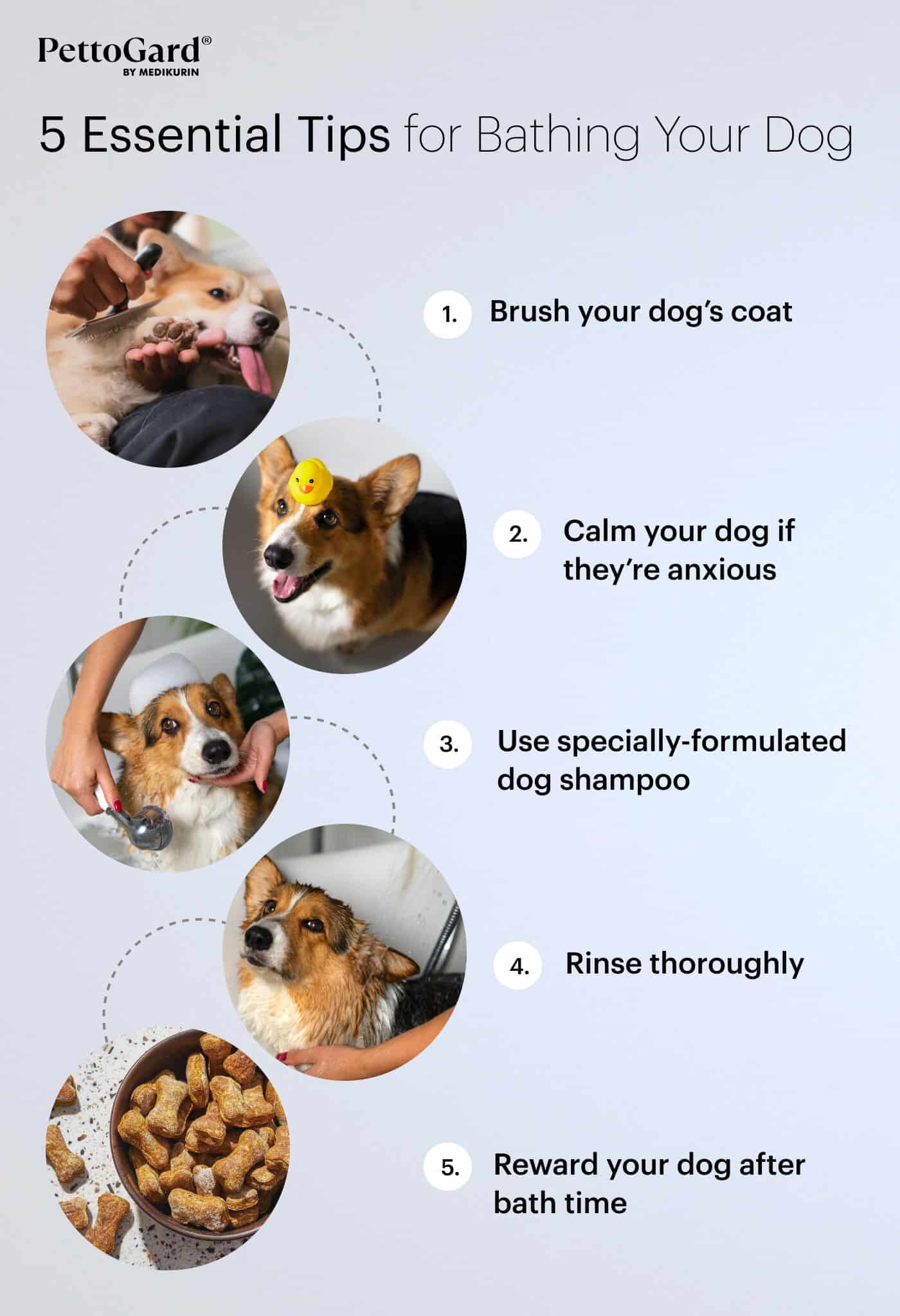
Your bathing supplies should include gentle, veterinarian-approved dog shampoo suited for sensitive or healing skin—avoid harsh chemicals or fragrances that could irritate surgical wounds or skin. Prepare soft, absorbent towels for drying, and consider using a handheld showerhead with adjustable water pressure to control the water flow, preventing sudden splashes that might startle your dog or cause discomfort. Additionally, have clean, soft cloths and cotton balls handy to gently clean around surgical sites or stitches, following your veterinarian’s instructions. It’s also wise to keep a few treats nearby to reward your dog for calm behavior, which will help make future baths less stressful.
Lastly, ensure you have a plan for handling your dog if they become anxious or distressed. Having a partner or family member to assist can be invaluable—one person can gently hold and calm the dog while the other manages the bathing process. This teamwork not only enhances safety but also helps your dog feel more secure. Remember, patience and calmness during the setup phase can significantly influence how smoothly the bathing process will go, especially for a recovering pup who may be feeling vulnerable.
Ensuring Your Dog’s Comfort and Safety Throughout the Bathing Process
During your dog’s recovery, their comfort and safety are paramount. Always monitor your dog’s behavior closely—if they seem overly distressed or fatigued, it’s best to pause and reassess whether a bath is necessary at that time. Keep water temperature lukewarm, as hot water can cause discomfort or even burns, especially if your dog’s skin is sensitive post-surgery. Use a thermometer or test the water with your wrist before starting; the water should feel comfortably warm, not hot.
Support your dog’s body securely but gently to prevent any sudden movements that could strain healing tissues or stitches. For smaller dogs, consider placing them in a shallow basin or sink, with your hand supporting their chest and abdomen. For larger dogs, a harness or a towel-based sling can provide additional support. Pay special attention to the surgical site, avoiding direct water pressure or scrubbing over stitches or wounds, unless directed otherwise by your veterinarian. If your dog must be kept dry in certain areas, utilize waterproof barriers or coverings to shield those regions during the bath.
Recognize signs of discomfort or distress during the process, such as whining, trembling, or attempts to escape. If your dog shows signs of pain or agitation, stop immediately and consult your vet for advice. Use gentle, reassuring words and maintain a calm demeanor throughout, as dogs can pick up on your anxiety. Remember, patience is key—some dogs may need multiple short sessions instead of one prolonged bath. Prioritize their well-being over speed, and always follow the specific guidelines provided by your veterinarian regarding bathing restrictions or wound care.
Step-by-Step Guide to Bathing a Dog Post-Surgery with Minimal Stress
When it’s time for your dog’s bath, a step-by-step approach can help make the experience less stressful and safer. Start by gently placing your dog in the prepared bathing area and offering comforting words or treats to ease anxiety. Before wetting your dog, inspect their surgical site for signs of infection or complications, and follow your vet’s instructions regarding cleaning or covering the wound. If instructed to avoid getting the wound wet, use a damp cloth or sponge to clean around the area, rather than submerging the dog.
Begin by wetting your dog’s body carefully, avoiding the surgical area unless your vet has approved full immersion. Use a handheld showerhead or a cup to gently pour lukewarm water over their coat, starting from the neck downward. Apply a small amount of gentle dog shampoo, lathering softly without scrubbing or applying direct pressure on stitches or sensitive skin. Rinse thoroughly to prevent residue buildup, which can cause irritation or itching. Keep the bath short—10 to 15 minutes is usually enough—so your dog doesn’t become overly cold or fatigued.
After rinsing, gently pat your dog dry with soft towels, being especially cautious around the wound site. Use a clean, dry cloth to absorb excess moisture, and avoid vigorous rubbing. If your dog tolerates it, a blow dryer on the lowest heat setting can be used to speed drying, but only if your vet approves. During and after the bath, continue to monitor your dog for signs of discomfort, and provide soothing praise and treats to create positive associations. Remember, each dog is different; some may need multiple gentle sessions, while others recover quickly and tolerate baths better. Always follow your veterinarian’s instructions on bathing frequency and wound care.
Tips for Maintaining Skin Health and Wound Care After Bathing
Post-bath skin and wound care are crucial components of a safe recovery. After your dog is dry, inspect the surgical site to ensure there are no signs of infection—such as redness, swelling, pus, or foul odor. Keep the area clean and dry, as moisture can promote bacterial growth and delay healing. Your veterinarian may recommend applying topical medications or wound dressings—follow their instructions carefully to avoid disruption or irritation. Regularly check the wound and surrounding skin to catch any issues early, ensuring your dog’s recovery stays on track.
Moisturizing the skin can also be beneficial, especially if your dog’s skin appears dry or irritated after bathing. Use veterinarian-approved soothing sprays or ointments designed for dogs, and avoid any products not recommended by your vet, as some ingredients may interfere with healing. Proper nutrition and hydration support healthy skin healing, so ensure your dog is eating a balanced diet and drinking enough water during recovery. Additionally, limiting excessive scratching or licking around the surgical site is vital—consider using an Elizabethan collar (e-collar) if your dog is likely to disturb the wound.
Maintaining a regular schedule of gentle cleaning and wound inspection helps promote healthy skin and reduces the risk of complications. If your dog has stitches or staples, keep track of when they are due for removal and attend follow-up appointments. Always consult your veterinarian for specific wound care instructions, especially if you notice any abnormalities after bathing. Remember, patience and vigilance are key—your attentive care will help your dog recover comfortably and swiftly.
Establishing a Gentle Routine for Post-Surgery Dog Hygiene and Follow-Up Care
Creating a gentle, consistent hygiene routine post-surgery helps your dog feel secure and supports ongoing healing. Stick to the veterinarian’s recommended bathing schedule—most dogs only need baths every few weeks post-surgery, unless explicitly instructed otherwise. Incorporate calming techniques like speaking softly, offering treats, and providing a quiet environment to minimize stress during grooming. Over time, this routine can help your dog associate baths with positive experiences, making future care easier and less traumatic.
Integrate other aspects of post-surgery hygiene, such as regularly checking and cleaning the surgical site, trimming nails carefully, and maintaining oral health if advised. Use soft brushes or wipes for areas that don’t require full baths, avoiding the surgical site altogether. Keep a log of any changes you observe in your dog’s wound or behavior, and communicate these findings with your veterinarian during follow-up visits. This proactive approach ensures any issues are addressed promptly and reduces the likelihood of setbacks in recovery.
Finally, be adaptable. Every dog’s healing process is unique, and some may require modifications to their routine. Be patient and attentive to your dog’s cues—if they seem uncomfortable or stressed, take a step back and consult your vet for tailored advice. Establishing a gentle, predictable hygiene routine not only supports optimal healing but also strengthens your bond and trust during this vulnerable period. Consistency, compassion, and communication with your veterinarian are the cornerstones of safe, effective post-surgery dog care.
Conclusion
Properly bathing your dog during recovery from surgery is a delicate balance of safety, comfort, and hygiene. By preparing your space and supplies thoughtfully, ensuring your dog’s comfort and safety throughout the process, following a gentle, step-by-step bathing routine, and maintaining vigilant wound care, you can significantly contribute to a smooth healing journey. Establishing a consistent, calming routine for post-surgery hygiene not only helps prevent infections but also fosters trust and well-being for your beloved pet. Remember, always work closely with your veterinarian, adhere to their specific guidelines, and approach each step with patience and compassion. Your attentive care and gentle approach will help your dog recover comfortably, returning to their happy, healthy self in no time.