


How to Safely Brush Over Healing Wounds: Tips for Proper Care
Healing wounds require careful attention and proper care to ensure they recover as smoothly and quickly as possible. While it might seem simple—just wash and forget—the reality is that wounds can be delicate and susceptible to infection, irritation, or delayed healing if not handled correctly. Among the many aspects of wound care, gentle cleaning and brushing over healing wounds can be beneficial, especially in cases where scabs or dried skin need to be carefully managed. But how do you do this safely without causing harm or setbacks? This article dives into the importance of wound care during healing, the proper preparation and techniques for brushing over wounds, recognizing warning signs like infection, and tips to support optimal recovery. Whether you’re dealing with a minor scrape or a surgical incision, understanding these steps can make a significant difference in your healing journey.
Understanding the Importance of Proper Wound Care During Healing
When it comes to wounds, proper care isn’t just about keeping things clean—it’s about creating an environment that promotes healing while preventing complications. Wound healing involves complex biological processes, including inflammation, tissue formation, and remodeling. Disrupting this process by improper cleaning or handling can lead to delayed healing, scarring, or even infections. Therefore, understanding why gentle, correct wound care matters is fundamental to ensuring your body heals efficiently and safely.
One key reason proper wound care is essential is the risk of infection. Bacteria and other pathogens can invade a wound, leading to redness, swelling, pus, or increased pain—signs that often require medical attention. Proper cleaning removes dirt, debris, and bacteria that might otherwise cause these complications. Additionally, maintaining a moist healing environment by avoiding excessive dryness or dryness-related scabbing can support tissue regeneration. It’s also important to avoid aggressive scrubbing or irritating the wound, which can damage new tissue, cause bleeding, or prolong recovery time. When handled thoughtfully, wound care minimizes discomfort and reduces the likelihood of scarring, making the healing process smoother overall.
Beyond preventing infection, proper wound care encourages tissue repair and functionality. By gently brushing over healing wounds, you can facilitate the removal of dead skin or scabs without disturbing the underlying new tissue. This delicate approach helps in managing the wound’s appearance and encourages the growth of healthy skin. Moreover, consistent, gentle cleaning contributes to a sense of control and confidence during recovery, especially for those who are anxious about wound management. Remember, every wound heals differently, but with proper care, you support your body’s natural processes and promote a safer, faster recovery.
Preparing for Safe and Effective Wound Brushing Techniques
Before attempting to brush or clean over a healing wound, preparation is crucial to ensure safety and effectiveness. The first step involves gathering all necessary supplies—mild wound cleansers, sterile gauze or soft cloths, clean gloves, and possibly antiseptic solutions recommended by your healthcare provider. Avoid harsh chemicals or alcohol-based disinfectants that can irritate tender tissue or delay healing. Always wash your hands thoroughly with soap and water before touching the wound area to prevent introducing new bacteria.
Creating a calm and clean environment can reduce the risk of accidental contamination or injury. Find a comfortable, well-lit space where you can focus on the task without rushing. If you’re caring for yourself, sit or lie down in a relaxed position, and consider using a mirror if needed. For caregivers, ensure they are trained in proper wound hygiene techniques and wear disposable gloves to maintain sterile conditions. It’s also essential to assess the wound’s condition before brushing—look for signs of excessive swelling, bleeding, or signs of infection. If the wound appears severely compromised or if you’re unsure about the healing stage, consult a healthcare professional before proceeding.
Finally, timing your wound brushing sessions appropriately can make a difference. Avoid touching or brushing over the wound when it’s actively bleeding, inflamed, or very painful. The best time to gently clean is after the initial inflammatory phase, typically once the bleeding has stopped and the wound has started to form a crust or scab. Be gentle and patient—rushing or applying too much pressure can damage delicate new tissue. Remember, proper preparation isn’t just about supplies—it’s about setting the right mindset and environment for safe, effective wound care.
Step-by-Step Guide to Gently Brushing Over Healing Wounds
Now that you’re prepared, it’s time to learn how to carefully brush over healing wounds. The goal is to clean away dried blood, scabs, or loose skin without damaging the fresh tissue underneath. Here’s a step-by-step approach:
-
Wash Your Hands and Wear Gloves: Begin by thoroughly washing your hands with soap and water. Put on sterile or disposable gloves to prevent bacteria transfer.
-
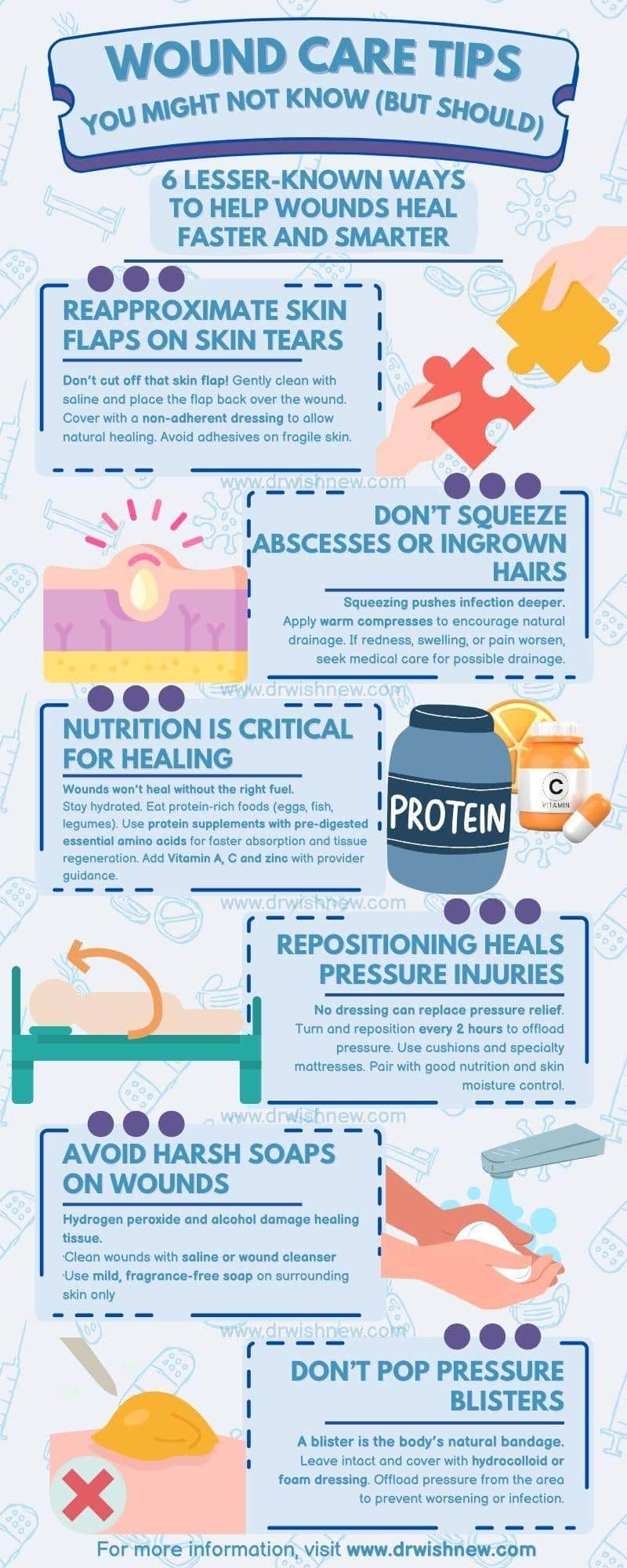
Choose the Right Cleaning Solution: Use a mild, non-irritating wound cleanser, saline solution, or warm water with a few drops of gentle soap. Avoid alcohol or hydrogen peroxide unless advised by your doctor, as these can harm new cells.
-
Soften the Scab or Dried Skin: Lightly moisten a soft cloth, cotton swab, or sterile gauze pad with your chosen solution. Gently apply to the scab or dried area to soften it. Do not scrub aggressively; let the solution do the work.
-
Gently Brush or Wipe: Using a gentle, circular motion, softly brush or wipe over the wound and surrounding area. If there’s loose debris or crusted blood, carefully lift or remove it without pulling or tearing skin. Be especially gentle around the edges where tissue is healing.
-
Pat Dry and Moisturize if Needed: After cleaning, pat the area dry with a clean cloth. If your healthcare provider recommends, apply a thin layer of antibiotic ointment or specialized wound moisturizer to support healing.
-
Cover and Protect: If necessary, cover the wound with a sterile dressing to protect it from dirt and friction. Change the dressing as recommended, usually once a day or if it becomes wet or dirty.
-
Observe for Changes: Keep an eye on the wound’s appearance after brushing. Minor redness or bleeding might occur but should not be persistent or worsening. If you notice increased pain or swelling, stop and consult a healthcare professional.
Remember, patience and gentleness are key. Never force your way through dried crusts or scabs—these are part of the healing process—and removing them prematurely can cause bleeding or infection. When done carefully and correctly, brushing over healing wounds helps keep the area clean and promotes healthy skin regeneration.
Recognizing Signs of Infection and When to Seek Medical Attention
While proper wound care can significantly reduce the risk of complications, it’s vital to stay vigilant for signs that indicate an infection or other issues. Recognizing these early warning signs ensures prompt intervention, preventing more serious problems. If you notice any of the following symptoms, consult a healthcare professional immediately:
- Increased redness or swelling: While some redness is normal, spreading redness or swelling that worsens over time can signal infection.
- Persistent or worsening pain: Pain that intensifies or doesn’t improve with usual care may require medical evaluation.
- Discharge or pus: Yellow, green, or foul-smelling discharge indicates bacterial infection.
- Fever or chills: These systemic symptoms suggest the infection may be spreading beyond the wound site.
- Delayed healing or wound opening: If the wound isn’t closing or if it reopens, it may need medical attention.
It’s also important to monitor for signs of allergic reactions or adverse responses to wound dressings or topical medications. Allergic symptoms might include rash, itching, or swelling beyond the wound area. Keep a detailed record of your wound’s progression and any symptoms you experience, as this information can be helpful for your healthcare provider.
Infections and complications are preventable with proper care, but they can escalate quickly if ignored. When in doubt, it’s always safer to seek professional advice rather than risk delaying treatment, which can lead to more complex interventions or scarring. Remember, timely medical attention isn’t a sign of failure but a responsible step toward recovery.
Tips for Maintaining Hygiene and Promoting Optimal Wound Healing
Supporting your wound’s healing process goes beyond just brushing or cleaning—consistent hygiene and lifestyle choices play a pivotal role in recovery. Here are practical tips to help you maintain a clean environment and foster optimal healing conditions:
-
Keep the Wound Clean and Dry: Regular gentle cleaning helps prevent bacterial buildup. Protect the wound from excessive moisture, which can macerate tissue and delay healing. Use waterproof dressings if necessary when bathing or showering.
-
Eat a Balanced Diet: Nutrition impacts wound repair. Focus on foods rich in vitamins C and E, zinc, and protein, which are essential for tissue regeneration and immune health. Stay hydrated to keep tissues supple and promote circulation.
-
Avoid Smoking and Excessive Alcohol: Both habits impair blood flow and oxygen delivery to tissues, hindering healing. Quitting smoking and limiting alcohol intake can significantly improve recovery outcomes.
-
Manage Underlying Conditions: Chronic illnesses like diabetes or vascular diseases can impair healing. Work with your healthcare provider to keep these conditions well-controlled for the best wound care results.
-
Get Adequate Rest and Reduce Stress: Rest allows your body to focus energy on healing. Stress can interfere with immune function, so practicing relaxation techniques or mindfulness can be beneficial.
-
Follow Medical Advice and Keep Up with Follow-ups: Adhere to your healthcare provider’s instructions regarding wound dressing changes, medication, and activity restrictions. Regular check-ins enable early detection of issues and adjustments to your care plan.
By integrating these habits into your daily routine, you not only support your wound’s healing but also bolster your overall health. Remember, patience is key—most wounds take time to heal, but consistent, proper care ensures the best possible outcome with minimal scarring.
Conclusion
Caring for healing wounds by safely brushing over them is a skill that combines patience, gentleness, and attention to detail. Proper wound care not only prevents infections but also fosters a conducive environment for tissue regeneration, minimizing scarring and speeding recovery. Preparation, correct technique, and awareness of warning signs are your best tools in this process. Remember to stay vigilant for signs of infection or delayed healing and seek medical assistance when needed. Supporting your healing with good hygiene practices, proper nutrition, and lifestyle choices further enhances your recovery journey. By understanding and applying these tips, you can confidently manage your wound care routine and promote healthier, faster healing. Your body’s natural healing power is remarkable—treat it with care, respect, and patience, and you’ll be on your way to full recovery in no time.