


How to Safely Clean Your Dog’s Nails During Bath: Step-by-Step Guide
Giving your dog a bath is a wonderful bonding experience and a crucial part of maintaining their overall health and hygiene. While many pet owners focus on shampooing, brushing, and ear cleaning, nail care often takes a backseat—even though it’s just as important. Long or unkempt nails can cause discomfort, pain, and even lead to health issues like infections or difficulty walking. The good news is, you can incorporate nail cleaning and trimming into bath time—making it more manageable and less stressful for both you and your furry friend.
In this guide, we’ll walk you through a detailed, step-by-step process on how to safely clean and trim your dog’s nails during bath time. From preparing the right tools to comforting your pet, you’ll learn how to turn a potentially stressful task into a gentle, positive routine. Whether you’re a new dog owner or someone looking to refine your grooming skills, these tips will help ensure your dog’s nails stay healthy and comfortable—without the need for frequent vet visits or professional groomers.
Preparing the Right Tools and Setting Up a Safe Environment
Before diving into your dog’s nail care during bath time, it’s essential to gather all the necessary tools and create a calm, safe environment. Having everything prepared in advance minimizes surprises and reduces your dog’s anxiety. Start by selecting high-quality grooming tools like a dog-specific nail clipper or grinder, a styptic powder or pencil (for controlling bleeding if you accidentally nick the nail), and a soft cloth or towel for drying and cleaning. Avoid using human nail clippers, as they’re often too sharp or too weak for dog nails and can cause splitting or injury.
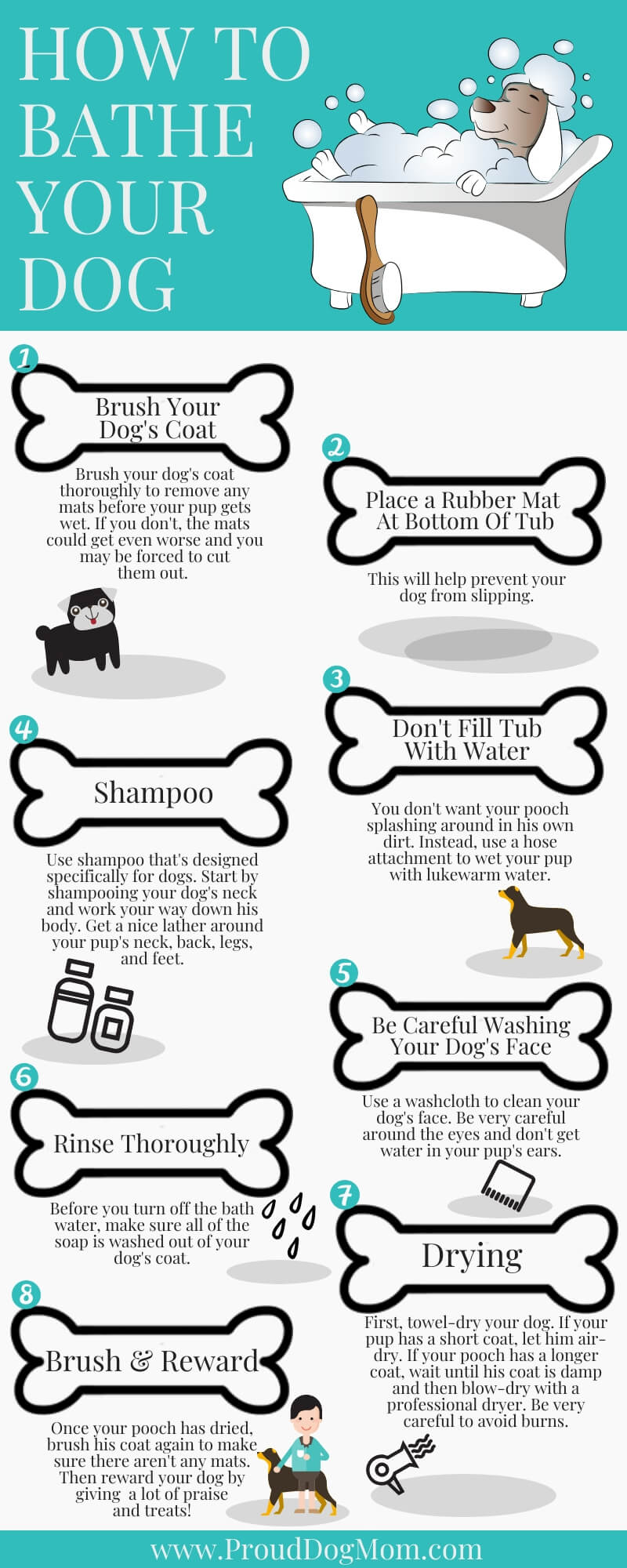
Creating a safe environment involves choosing a comfortable, non-slip surface—such as a rubber mat in your bathtub or a designated grooming table with grips—to prevent slipping or falling. Make sure the area is free from distractions, loud noises, or other pets that might cause your dog to become anxious. Keep treats and praise nearby to reward good behavior, and ensure good lighting so you can see the nails clearly. It’s also wise to have styptic powder close at hand in case of accidental cuts; this quick-stop solution helps control bleeding and reassures you that accidents won’t escalate. Proper preparation sets the tone for a safe, stress-free nail care session.
Remember, patience is key. If your dog is particularly anxious or nervous about grooming, consider gradually introducing the tools and environment beforehand. Let your dog sniff and explore the nail tools, reward calm behavior, and keep sessions short initially. Building positive associations with grooming will make future nail care easier and safer.
Recognizing When and How Often to Trim Your Dog’s Nails During Bath Time
Understanding your dog’s nail growth cycle is vital for determining how often to care for their nails, ideally during bath time. Generally, dog nails grow continuously and should be trimmed when they start to touch the ground or cause discomfort—this can range from every few weeks to once a month, depending on the breed, activity level, and environment. For example, active outdoor dogs tend to wear down nails naturally, requiring less trimming, while indoor or older dogs might need more frequent attention.
During bath time, take advantage of the opportunity to inspect your dog’s nails closely. Look for signs of overgrowth, splitting, cracking, or any signs of infection like redness or swelling around the nail beds. If you notice a nail curling or extending beyond the paw pad, it’s time for trimming. Remember, trimming too often can cause pain or bleeding, but neglecting nail care can lead to discomfort, difficulty walking, and even joint issues. Establish a regular schedule based on your dog’s needs—consult your veterinarian if unsure.
It’s also helpful to recognize the different parts of the nail: the quick (the sensitive, blood-rich part inside the nail), the nail plate, and the tip. Be cautious around the quick, especially in dogs with dark nails where the quick isn’t visible, to avoid bleeding and pain. If your dog’s nails are overly long or overgrown, plan a trimming session, and consider professional grooming if you’re unsure. Regularly trimming during bath time ensures your dog’s nails stay at a healthy length without causing stress or discomfort.
Step-by-Step Guide to Safely Cleaning and Trimming Dog Nails During a Bath
Now that your environment is prepared and you understand your dog’s needs, it’s time to proceed with the nail cleaning and trimming process during bath time. Follow these steps carefully to ensure safety and effectiveness:
-
Start with a Calm, Relaxed State: Before touching your dog’s paws, give them some gentle praise, treats, or a few minutes of petting. A calm dog is much easier to work with, reducing the risk of sudden movements or anxiety.
-
Gently Handle the Paws: Gently lift your dog’s paw, inspecting the nails visually. If your dog is comfortable, softly massage the paw pads to relax the muscles. This can help loosen dirt or debris around the nails and make trimming cleaner and smoother.
-
Clean the Nails: Use a damp cloth or a pet-safe wipe to gently clean dirt, mud, or debris from the nails. This step is important for hygiene and also gives you a better view of the nails’ condition. Avoid using harsh chemicals or human cleaning products—they may irritate your dog’s skin or paws.
-
Trim the Nails Carefully: Using your chosen nail trimmer or grinder, start with slow, gentle cuts or grinding motions. If using a clipper, cut small bits of the nail at a time, avoiding the quick. For grinders, gently move the tool back and forth along the nail surface. Remember, it’s better to trim little by little—over-trimming can cause pain or bleeding. If you accidentally cut into the quick, apply styptic powder immediately to stop bleeding and stay calm to reassure your dog.
-
Check and Smooth the Nails: After trimming, file or smooth any rough edges with a nail file or grinder attachment. This helps prevent nails from catching on fabrics or scratching you or your furniture. Be attentive to your dog’s reactions—if they show signs of discomfort or pain, pause and provide comfort.
-
Praise and Reward: Once finished, give your dog plenty of praise and treats. This positive reinforcement helps your dog associate nail care with good experiences, making future sessions easier and less stressful.
Following this step-by-step approach during bath time not only ensures safety but also makes nail care a routine part of your dog’s grooming, promoting healthier, more comfortable paws.
Tips for Comforting Your Dog and Minimizing Stress During Nail Care
Handling your dog’s nails can sometimes be stressful, especially if they’re unsure or anxious about grooming. To keep the experience positive and minimize stress, focus on creating a comforting environment. Start by choosing a quiet, cozy space and using soothing tones of voice to reassure your dog throughout the process. Gentle petting and calm, steady movements help build trust, making your dog more receptive to nail care over time.
Using treats strategically is one of the most effective ways to encourage cooperation. Offer small, tasty rewards immediately after each successful step—like handling paws, cleaning, or trimming—to reinforce positive associations. Be patient; don’t rush through the process. If your dog becomes restless or scared, take a break and try again later. Short, frequent grooming sessions often work better than long, stressful ones. Always keep a calm demeanor, as dogs easily pick up on your mood; your relaxed attitude can help soothe their nerves.
If your dog is particularly nervous or resistant, consider using calming aids such as dog pheromone sprays, calming music, or natural supplements recommended by your veterinarian. Desensitization techniques—gradually introducing your dog to the tools and routine—are also beneficial. Over time, these gentle, positive experiences will help your dog view nail care as a normal, non-threatening part of their hygiene routine, making future baths and grooming sessions more manageable.
Post-Bath Nail Maintenance and Preventive Tips for Healthy, Well-Groomed Nails
Once your dog’s nails are clean, trimmed, and smooth, proper maintenance is key to keeping them healthy. Regularly inspect your dog’s paws after baths and throughout the week to catch overgrowth, cracks, or signs of infection early. Maintaining a consistent schedule—every 2 to 4 weeks—is ideal for most dogs, but adjust based on your pet’s growth rate and activity level. Keeping nails at a manageable length will prevent discomfort, nail splitting, and accidental scratches.
In addition to trimming, consider routine preventive care such as applying paw balms or moisturizing sprays designed for dogs. These products protect paw pads from cracking or drying, especially in harsh weather conditions. Keep your dog’s environment in mind—hard surfaces like concrete can naturally wear down nails, while indoor flooring may require more frequent trims. Providing your dog with opportunities for natural scratching or walking on rough surfaces can also help maintain healthy nails without constant trimming.
Finally, don’t forget to incorporate regular professional check-ups. Your veterinarian can assess your dog’s nail health during routine visits and provide tailored advice or treatments if necessary. Remember, a combination of regular at-home maintenance and professional oversight ensures your dog’s nails stay healthy, comfortable, and free from common issues that can affect mobility and quality of life.
Conclusion
Taking care of your dog’s nails during bath time is an essential aspect of their overall grooming and health routine. With proper preparation, a calm environment, and gentle handling, you can safely clean and trim your dog’s nails, reducing the risk of discomfort or injury. Recognizing when and how often to trim, along with understanding your dog’s unique needs, helps maintain healthy nails and paws.
Remember, patience, positive reinforcement, and consistency are your best tools for making nail care a stress-free experience—for both you and your furry friend. Regular maintenance, coupled with professional veterinary advice, ensures your dog’s paws remain healthy, comfortable, and ready for all the adventures they love. So next bath time, incorporate nail care with confidence and care, turning a routine grooming task into a bonding moment that benefits your dog’s wellbeing for years to come.