


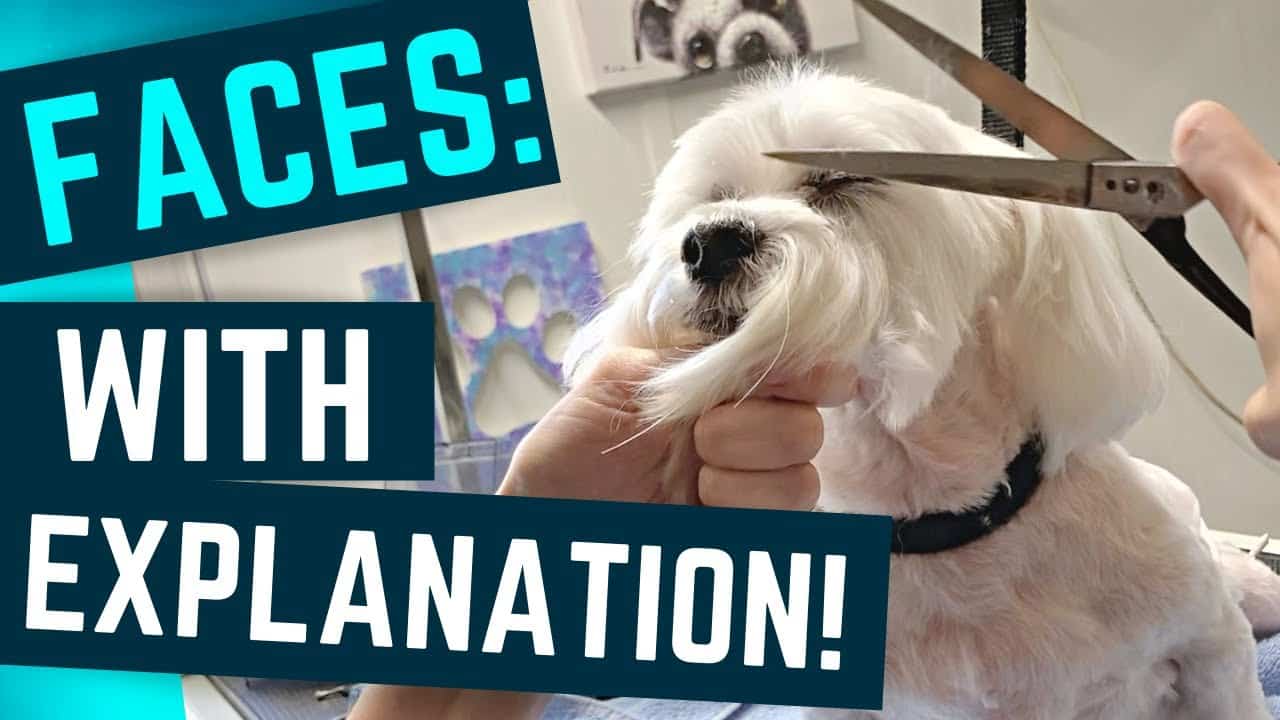
How to Safely Clip Your Dog’s Beard at Home: Tips and Tricks
Grooming your dog at home can be a rewarding experience, especially when it comes to maintaining those adorable, expressive beards that many breeds like the Shih Tzu, Bearded Collie, or Yorkshire Terrier sport. However, trimming a dog’s beard isn’t just about appearance—it’s also about ensuring your furry friend stays comfortable, healthy, and free from irritations or discomfort. If you’re new to dog grooming or simply want to perfect your at-home beard trimming skills, this guide is here to help. We’ll cover everything from essential tools and preparations to techniques for safe trimming, maintaining a clean grooming environment, and avoiding common pitfalls.
Ensuring a safe, stress-free grooming session at home requires patience, the right tools, and knowledge. Let’s explore how to clip your dog’s beard effectively, with safety and comfort as top priorities.
Essential Tools and Preparations for Safe Dog Beard Trimming at Home
Before you start trimming your dog’s beard, gathering the right tools is crucial. The foundation of successful grooming is having high-quality, dog-safe supplies that make the process smooth and safe. A sharp, dedicated pair of grooming scissors or thinning shears designed for pet grooming is essential. Avoid using dull or household scissors, as they can pull hair or cause accidental nicks. Additionally, a dematting tool or comb with fine teeth helps to detangle the beard, preventing pulling or discomfort during trimming.
Preparation also involves creating a calm environment for your dog. Choose a quiet, well-lit space that minimizes distractions. Before starting, give your dog a gentle brush to remove loose hair and mats, which can interfere with precise trimming. Some pet owners opt to trim after a bath, as clean, dry hair is easier to handle and less likely to cause irritation or snagging. Also, keep treats and praise nearby to reward your dog and keep them relaxed during the grooming process.
Safety should always be your priority. Ensure your scissors are clean and sanitized to prevent infections. If your dog tends to move or get anxious, consider using a grooming restraint or a non-slip mat to keep them steady. Never rush through trimming sessions—taking your time ensures better results and reduces stress for both you and your pet. Remember, patience and preparation are your best tools for a safe grooming experience.
Step-by-Step Guide to Properly Restraining Your Dog During Beard Grooming
Proper restraint is key to preventing accidents and making the grooming session safe and comfortable for your dog. Start by choosing a calm environment away from noisy distractions, which can make your dog nervous or restless. Using a grooming table or a non-slip mat on the floor can help keep your dog steady and prevent slipping. For dogs who are particularly nervous or prone to movement, consider enlisting a second person to help gently hold or comfort them while you work.
When restraining your dog, aim for a gentle but firm hold—never use excessive force or restraint techniques that cause discomfort. Sit on the floor with your dog between your legs or on a grooming table if available. Use one hand to support or hold the body gently but securely, while the other hand can focus on trimming. For added control, wrap your dog in a towel or use a grooming harness that gently restricts movement without causing distress.
Communicate calmly throughout the process, using soothing words or gentle petting to keep your dog relaxed. If your dog begins to struggle or become anxious, take a break, offer treats, and resume once they’re calmer. Consistent restraint techniques help prevent sudden movements that could lead to accidental cuts or injuries. Remember, the goal is to create a safe environment where your dog feels secure, making grooming sessions more enjoyable and less stressful.
Techniques for Safely Trimming and Shaping Your Dog’s Beard
When trimming your dog’s beard, precision and patience are essential. Begin by trimming the longer hairs first, working slowly and carefully with your scissors or thinning shears. Always cut in small, controlled strokes, and avoid pulling on the hair—this minimizes discomfort and reduces the risk of nicks. If your dog’s beard has uneven or stray hairs, use gradual trimming to achieve a balanced shape, avoiding overly aggressive cuts that can alter your dog’s natural look.
To maintain symmetry, consider trimming from the center outward, checking the shape frequently in a mirror or by stepping back to view the overall appearance. Use a fine-tooth comb to lift the hair as you trim, which helps to guide your scissors and ensures even cutting. For shaping around the lips and chin, take particularly cautious, small snips to prevent cutting too close or causing irritation. If you’re unsure, it’s better to trim less at first and gradually refine the shape than to make drastic cuts that are hard to fix.
Specialized grooming scissors with rounded or blunt tips are safer for close work around sensitive areas. Keep a steady hand and avoid rushing; patience results in a neater, safer trim. For breeds requiring a specific beard shape, consider consulting grooming tutorials or professional advice. Remember, your goal is to enhance your dog’s natural features while ensuring comfort and safety during the grooming process.
Tips for Maintaining a Clean and Comfortable Grooming Environment
A clean grooming environment not only makes the process more enjoyable but also helps prevent the spread of germs and reduces allergens. Regularly clean your grooming tools with pet-safe disinfectants after each use. Keep a designated grooming area free of clutter, hair, and dust to streamline your session and avoid accidental contamination. Using a washable mat or covering your work surface can help contain loose hair and make cleanup easier afterward.
Ensure good ventilation in your grooming space to minimize pet odors and disperse any airborne hair or dander. If possible, use a portable fan or open windows to promote airflow. Having a bucket or trash bag nearby for disposing of trimmed hair and debris keeps the area tidy and reduces the risk of hair buildup on your dog’s skin or your furniture. Maintaining a comfortable temperature in your grooming space also helps keep your dog relaxed—avoid overly cold or hot environments.
Comfort is also about the grooming setup. Use non-slip mats or towels to prevent your dog from slipping, which can cause anxiety or injury. Keep grooming supplies within reach to minimize movement or stress during the session. Additionally, incorporate calming elements such as soft music or gentle voice tones to help your dog relax. A well-organized, clean environment sets the stage for a safe, efficient, and pleasant grooming experience.
Common Mistakes to Avoid During Dog Beard Trimming and How to Prevent Them
One of the most common mistakes in DIY dog beard trimming is rushing through the process. Hasty cuts can lead to uneven shapes, accidental nicks, or even injury to your dog. To prevent this, take your time, work in small sections, and use slow, controlled movements. Remember, patience is key—if your dog becomes restless, pause and offer treats or a break, then resume once they’re calmer.
Another mistake is using the wrong tools or dull scissors, which can cause pulling or painful cuts. Always invest in quality grooming scissors specifically designed for pet grooming and ensure they are sharp and clean before starting. Using household or dull scissors increases the risk of accidents and discomfort. Additionally, avoid trimming too close to the skin or in sensitive areas without proper control; this can lead to cuts or irritation.
Failing to trim in a well-lighted environment or without proper restraint can also cause issues. Poor lighting makes it easy to miss stray hairs or accidentally nick your dog, while inadequate restraint can result in sudden movements. Use adequate lighting, secure your dog gently but firmly, and keep a mirror handy to check your work from all angles. Lastly, neglecting regular grooming can cause mats or dirt build-up, making trimming more difficult and uncomfortable for your pet. Maintaining a consistent grooming routine helps prevent these issues and ensures your dog’s beard remains healthy and tidy.
Conclusion
Trimming your dog’s beard at home is a rewarding task that, when done safely and properly, enhances both your pet’s appearance and comfort. The key lies in preparing the right tools, creating a calm environment, and mastering gentle restraint and trimming techniques. Remember to work patiently, avoiding rushes or harsh cuts, and always prioritize your dog’s safety and wellbeing. Maintaining a clean grooming space and being aware of common pitfalls will make the process smoother and more enjoyable for both of you.
With practice, you’ll gain confidence in shaping your dog’s beard while preserving their natural charm. Whether your goal is maintaining a breed-standard look or just tidying up their face, these tips and tricks will help you become a more skilled and compassionate groomer at home. So, gather your tools, prepare your pup, and enjoy the bonding experience that comes with caring for your furry friend’s grooming needs!