


How to Safely Groom Dogs with Skin Bumps: Tips & Best Practices
Grooming is an essential part of maintaining a dog’s health, hygiene, and overall well-being. However, for dogs prone to skin bumps or existing skin conditions, grooming can sometimes be tricky and even risky if not approached carefully. Whether your dog has a few bumps that appeared suddenly or a chronic skin issue, knowing how to groom safely is crucial to prevent discomfort, infection, or worsening of the problem.
This article aims to guide pet owners, groomers, and dog lovers through understanding the common causes of skin bumps, recognizing symptoms, mastering gentle grooming techniques, knowing when to seek veterinary help, and exploring effective treatment options and prevention strategies. By following these best practices, you can ensure your furry friend stays comfortable, healthy, and looking great after every grooming session.
Common Causes of Skin Bumps in Groomed Dogs
Skin bumps in dogs can be caused by a variety of factors, many of which are related to grooming practices or underlying health conditions. Understanding these causes is the first step toward safe grooming and effective management.
One of the most common reasons for skin bumps is allergic reactions, which can be triggered by grooming products such as shampoos, conditioners, or topical treatments. These reactions often manifest as raised, itchy bumps or swelling. Dogs with allergies may also develop contact dermatitis from certain grooming tools or materials like rubber grooming gloves or collars. Additionally, environmental allergies to pollen, dust mites, or molds can cause skin irritation resulting in bumps.
Another prevalent cause is infectious skin conditions, including bacterial or fungal infections that can cause pustules, boils, or abscesses. Poor grooming hygiene, cuts, or scratches can introduce bacteria or fungi into the skin, leading to bumps that may become infected if not properly treated. Furthermore, parasitic infestations like fleas, mites, or ticks can cause skin irritations and bumps, especially around the neck, ears, and tail base.
Finally, growths and benign tumors such as lipomas, sebaceous cysts, or warts can appear as smooth or irregular bumps. While many of these are harmless, some may require veterinary assessment to rule out malignancies or other serious health issues. Certain skin conditions, like dermatitis or autoimmune disorders, can also cause chronic bumps or nodules that need professional diagnosis and management.
Recognizing Symptoms and Identifying Skin Bump Types in Dogs
Accurately recognizing the nature of your dog’s skin bumps is pivotal in deciding whether grooming adjustments are sufficient or if veterinary intervention is necessary. Pay close attention to the size, appearance, location, and any accompanying symptoms of the bumps.
Visual and tactile cues can help differentiate between types of skin bumps. For example, small, raised, hairless lumps that are firm and slow-growing might be benign cysts or lipomas. Conversely, red, inflamed, or oozy bumps are often associated with infection or allergic reactions. Pustules may appear as small, pus-filled bumps, indicating bacterial involvement, while itchy bumps accompanied by scratching or biting suggest allergies or parasites.
Other symptoms to watch for include excessive scratching, licking, or biting at the bump area, which signals discomfort or irritation. Swelling, warmth, or pain around the bump during palpation can indicate infection or inflammation. Additionally, if the bumps are rapidly enlarging, ulcerated, or bleeding, immediate veterinary attention is needed. Chronic or recurrent bumps should also be evaluated professionally to prevent potential complications.
Proper identification of the bump type can inform appropriate grooming practices—such as gentle handling, avoiding aggressive scrapes, or reducing grooming frequency—and determine whether further diagnostic testing like cytology, biopsy, or skin scraping is necessary. Always consult your veterinarian if you’re unsure about the nature of a skin bump or if your dog exhibits systemic symptoms like lethargy, fever, or loss of appetite.
Proper Grooming Techniques to Minimize Skin Bump Formation
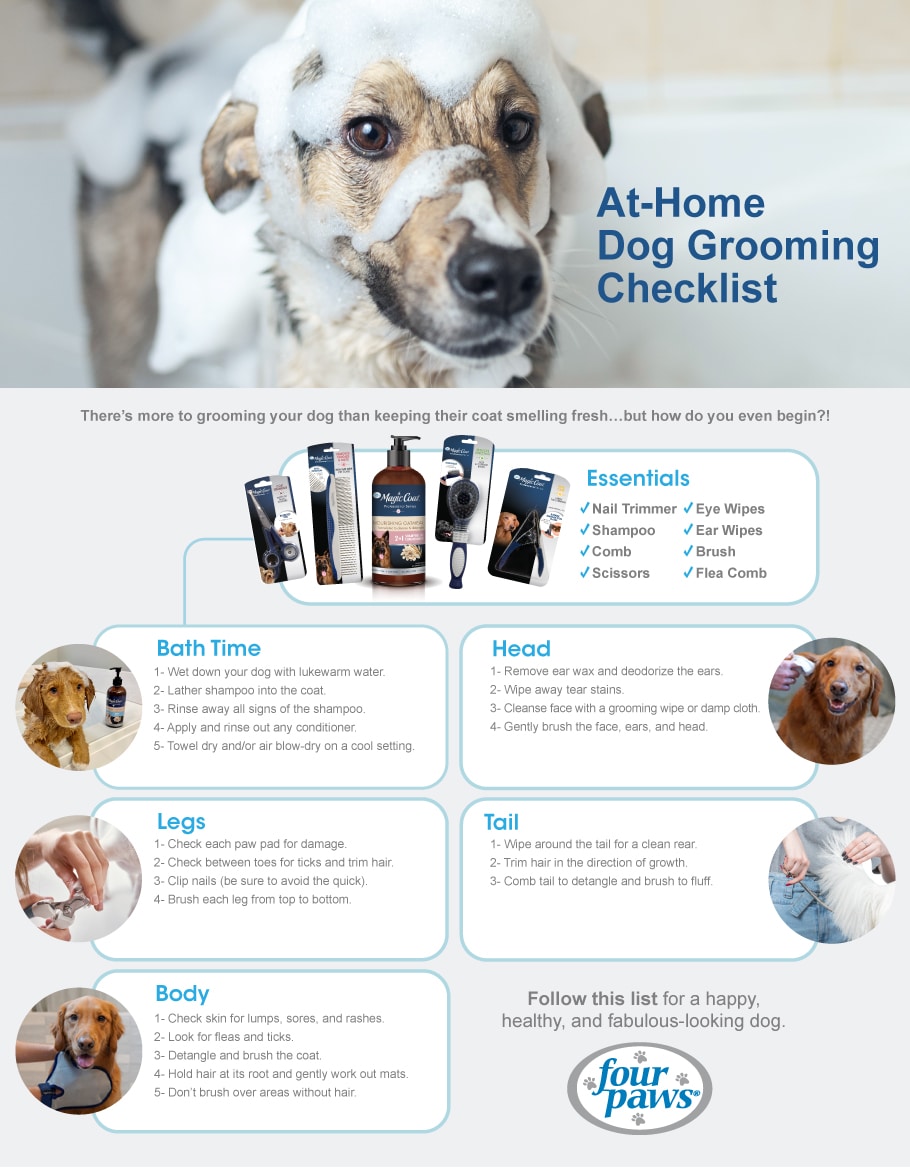
Gentle, mindful grooming is essential for dogs with skin bumps or sensitivities. Using the correct techniques not only helps keep your pet comfortable but also prevents new bumps from forming or existing ones from worsening.
Start by preparing your grooming environment: use clean, soft grooming tools such as slicker brushes, combs with rounded teeth, and gentle clippers designed for sensitive skin. Before grooming, thoroughly examine your dog’s skin for any existing bumps or irritations. If you notice any areas that seem inflamed or infected, consider postponing grooming or consulting your veterinarian.
When grooming around sensitive areas or existing bumps, use light pressure and gentle strokes. Avoid excessive pulling or scratching, especially near or on bumps, as this can cause trauma and introduce bacteria. If your dog has tender or inflamed skin, consider using soothing products like hypoallergenic wipes or rinses. For dogs prone to skin issues, opt for grooming shampoos formulated for sensitive skin, such as those with oatmeal or aloe vera, and rinse thoroughly to avoid residue buildup that could irritate the skin.
Additionally, regular grooming routines help keep the skin clean and free from debris that could exacerbate bumps. Shortening grooming sessions, especially for dogs with delicate skin, can reduce stress and risk of injury. Always be cautious around existing skin bumps—if a bump appears to be inflamed or ulcerated, avoid direct contact and seek veterinary advice. Groomers and pet owners should also avoid harsh chemicals or aggressive razors that could cause cuts, irritation, or infection.
When to Seek Veterinary Care for Skin Bumps in Dogs
While many skin bumps are harmless and manageable through gentle grooming and home care, certain signs indicate it’s time to consult a veterinarian. Recognizing when professional evaluation is necessary can prevent more serious health issues and ensure your dog’s comfort.
You should seek veterinary care if the skin bump grows rapidly or changes in appearance—becoming larger, ulcerated, or irregular in shape. These changes could suggest a malignant tumor or other serious condition requiring diagnostic tests like biopsies. Additionally, if the bump is causing your dog significant discomfort, pain, or persistent itching, a veterinarian can prescribe appropriate medications or treatments to alleviate the symptoms.
Presence of systemic symptoms such as fever, lethargy, loss of appetite, or swollen lymph nodes indicates that the skin issue may be part of a broader health problem. Infections that do not resolve with home care or topical treatments, or bumps that ooze pus or bleed, also warrant prompt veterinary attention. Parasitic infestations like mites or fleas that cause skin irritation are best diagnosed and treated under veterinary supervision to prevent further spread and discomfort.
Finally, if you notice multiple bumps or recurrent skin issues, a thorough veterinary assessment is crucial to identify underlying causes, such as allergies, autoimmune disorders, or hormonal imbalances. Early intervention can improve the prognosis and help develop a tailored grooming and treatment plan for your dog’s skin health.
Effective Treatment Options and Preventive Measures for Skin Bumps
Treatment for skin bumps varies depending on the underlying cause, but early diagnosis combined with appropriate care can lead to successful management. Your veterinarian may recommend procedures such as drainage, removal, or topical treatments if bumps are infected, cystic, or benign but bothersome.
For allergic skin bumps, antihistamines, corticosteroids, or hypoallergenic diets might be prescribed to control itching and inflammation. If infection is present, antibiotics or antifungal medications are often necessary. Proper wound care, including gentle cleaning and application of healing ointments, can prevent secondary infections and promote skin recovery.
Preventive measures are equally vital to minimize the occurrence of skin bumps. Regular grooming with gentle tools, routine bathing with appropriate shampoos, and keeping your dog’s environment clean can reduce irritants and parasite exposure. Monitoring your dog’s skin regularly allows early detection of new bumps or changes in existing ones, enabling prompt action. Ensuring a balanced diet rich in essential fatty acids can also support healthy skin and coat, reducing susceptibility to irritations and growths.
In some cases, preventing trauma during grooming—such as avoiding harsh brushes or aggressive clipping—can decrease the risk of skin injuries that lead to bumps. Consulting your veterinarian about preventive treatments like flea control, allergy testing, or immunotherapy can also help maintain your dog’s skin health long-term. Remember, proactive care combined with professional veterinary advice offers the best chance for your dog to stay comfortable and free from troublesome skin bumps.
Conclusion
Grooming dogs with skin bumps requires a thoughtful, gentle approach that prioritizes your pet’s comfort and health. Recognizing the common causes of skin bumps, understanding their symptoms, and applying proper grooming techniques can significantly reduce the risk of aggravating existing skin issues. However, it’s equally important to know when to seek veterinary advice—especially for bumps that change rapidly, cause pain, or are associated with systemic symptoms.
Effective treatment and preventive strategies, including maintaining good hygiene, using gentle grooming products, and providing a balanced diet, play vital roles in minimizing skin bumps and promoting healthy skin. By staying observant and proactive, pet owners and groomers can ensure that grooming sessions are safe, comfortable, and beneficial, keeping your dog happy and healthy for years to come.
Remember: When in doubt, always consult your veterinarian. Your dog’s skin health is an essential part of their overall well-being, and professional guidance can make all the difference.