

How to Safely Handle Dogs After Shaving to Prevent Irritation
Grooming your dog, especially shaving or clipping their hair, is an essential part of maintaining their health and comfort. However, many pet owners discover that after shaving, their furry friends may develop skin irritation or discomfort. If you’re wondering how to handle your dog safely after shaving, you’re in the right place. This guide will walk you through understanding why irritation occurs, recognizing signs to watch for, and practical tips to keep your dog comfortable and healthy post-shaving.
Proper aftercare is crucial not only for your dog’s comfort but also for preventing more serious skin issues down the line. Whether you’re a first-time dog owner or someone looking to improve your grooming routine, understanding the nuances of post-shaving skin care can make a significant difference.
Understanding Post-Shaving Irritation in Dogs and Its Causes
Shaving a dog’s coat might seem straightforward, but it can sometimes lead to skin irritation or other issues. The underlying causes of post-shaving irritation are varied and often relate to the skin’s natural sensitivity, grooming technique, or underlying health conditions. The skin of many dogs, especially those with sensitive skin or certain coat types, can become inflamed or irritated after the hair removal process.
One common cause of irritation is skin trauma from the shaving process itself. When blades are dull, or the grooming is rushed, the skin can be nicked or shaved too close, making it more vulnerable to redness and inflammation. Additionally, shaving against the grain or using high heat from clippers can strip the skin of its natural oils, leading to dryness and irritation. Dogs with darker or thicker coats may also be more prone to ingrown hairs or folliculitis, which can cause discomfort.
Environmental factors and allergies also play a role. Post-shaving skin is more exposed and susceptible to environmental irritants such as pollen, dust, or chemicals in cleaning products. Moisture trapped in the shaved areas, especially if the skin isn’t dried properly, can foster bacterial or yeast infections, aggravating irritation. Understanding these causes helps pet owners take targeted steps to minimize irritation and safeguard their dog’s skin health.
Recognizing Symptoms and Signs of Skin Irritation After Shaving
Being able to identify early signs of skin irritation is vital for prompt and effective management. Common symptoms include redness or inflammation, which can appear as pink or red patches, often accompanied by swelling. You might notice your dog scratching or biting at the shaved area more than usual, indicating discomfort or itchiness.
Other signs include dry, flaky, or scaly skin, which can develop after shaving if the skin becomes excessively dry. In some cases, small bumps or pimples can form, especially if folliculitis (inflamed hair follicles) occurs. If there’s an underlying infection, you might observe pus, a foul odor, or increased swelling, signaling that the irritation has become more serious.
It’s also important to monitor behavioral cues. Excessive licking, rubbing the shaved area against furniture, or visible signs of pain when touched suggest your dog is experiencing discomfort. Recognizing these symptoms early enables you to intervene with appropriate skincare measures or seek veterinary advice if necessary. Keeping a close eye on your dog’s skin after grooming helps ensure their comfort and prevents secondary infections.
Effective At-Home Remedies and Skincare Strategies for Irritated Dog Skin
If your dog develops mild irritation after shaving, there are several safe and effective home remedies to soothe their skin. First, giving the shaved area a gentle rinse with cool, clean water can help remove any irritants or loose hairs that might be causing itchiness. Using a mild, dog-specific soothing shampoo or rinse containing ingredients like oatmeal or aloe vera can provide relief and moisturize the skin.
Applying a pet-safe, hypoallergenic moisturizer or soothing balm can further reduce dryness and promote healing. Products formulated with natural ingredients like aloe vera, chamomile, or coconut oil are generally safe and can be applied in a thin layer. Be sure to avoid harsh chemicals, alcohol-based products, or human skincare items, as these can worsen the irritation or be toxic to dogs.
In addition to topical remedies, ensuring your dog stays comfortable involves keeping their environment clean and dry. Use a soft, clean towel to pat the shaved area dry after baths or exposure to moisture. If your dog is particularly itchy, an Elizabethan collar (or "cone") can prevent excessive licking, which may prolong irritation or cause infection. Remember, if symptoms persist or worsen, consulting your veterinarian is always the safest course of action.
Preventative Tips to Minimize Post-Shaving Skin Irritation in Dogs
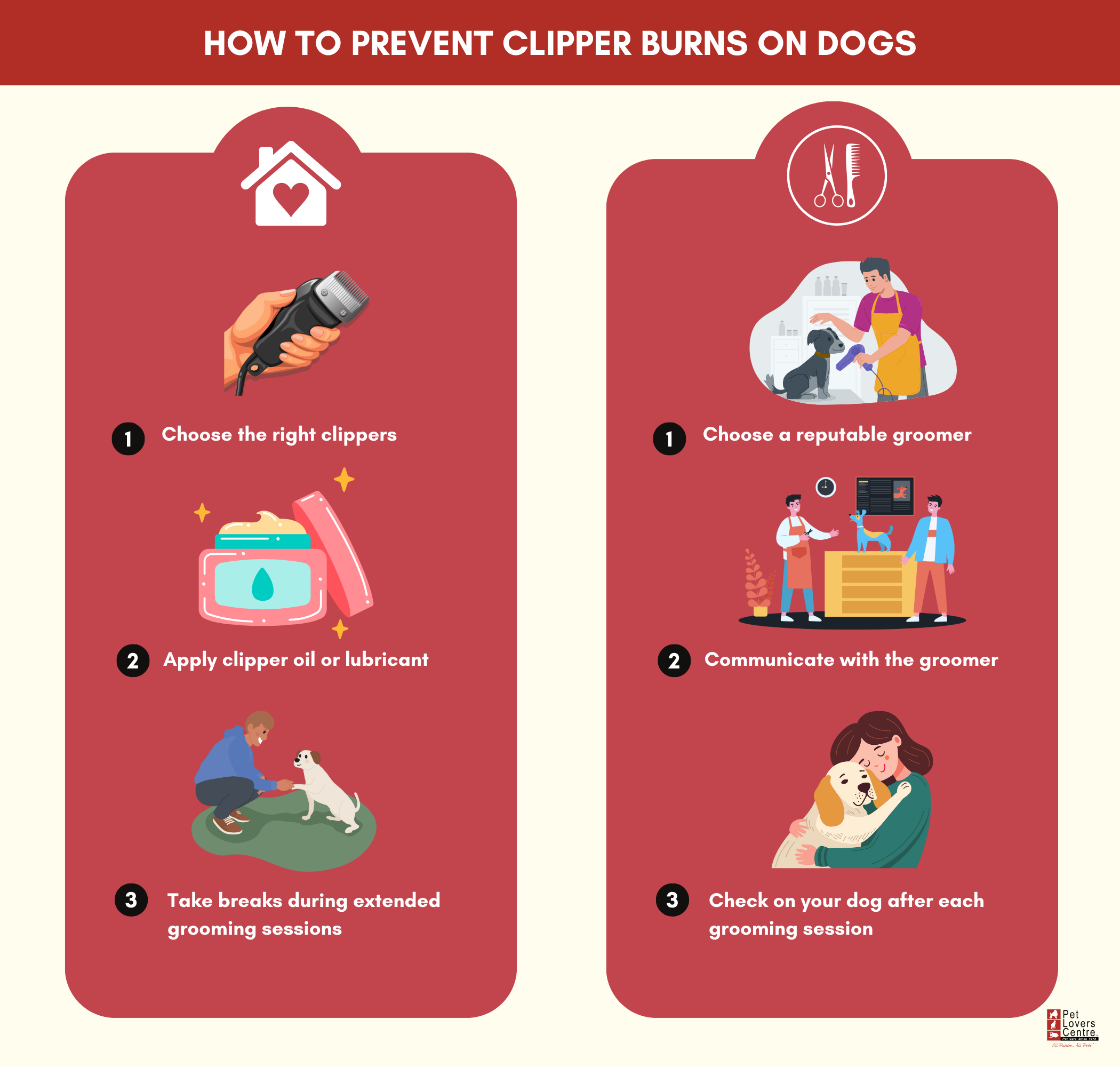
Prevention is always better than cure, especially when it comes to your dog’s skin health after shaving. First, choose a professional groomer or learn proper grooming techniques if doing it at home. Use high-quality, sharp clippers designed specifically for dogs, and ensure they are sanitized and well-maintained to prevent skin trauma.
Preparing your dog’s skin before shaving can make a huge difference. Regular baths with gentle, moisturizing shampoos help keep the skin healthy and reduce dryness. Also, consider trimming the hair gradually rather than shaving all at once, especially for dogs with sensitive skin. This approach minimizes trauma and allows the skin to adapt more comfortably to the hair removal process.
Finally, after shaving, protect your dog from environmental irritants. Keep them indoors during extreme weather conditions and avoid exposing freshly shaved skin to direct sunlight, which can cause burns or further irritation. Using pet-safe sunscreens or protective clothing can shield sensitive areas. Incorporating these preventative tips into your grooming routine helps maintain healthy skin and reduces the risk of post-shaving irritation.
When to Seek Veterinary Assistance for Dog Skin Irritation
While most mild skin irritations resolve with at-home care, there are situations when veterinary advice becomes necessary. If your dog’s skin shows signs of infection—such as pus, foul odor, intense swelling, or severe redness—prompt veterinary consultation is essential. These symptoms may indicate bacterial or yeast infections, which require medical treatment to prevent further complications.
Persistent or worsening symptoms despite home remedies are also red flags. If your dog continues to scratch, lick, or bite the shaved area excessively, or if they develop hair loss, swelling, or blistering, it’s time to see a veterinarian. Additionally, if your dog exhibits signs of pain, lethargy, or loss of appetite, these could be signs of a more serious underlying issue that needs professional intervention.
Veterinarians can provide targeted treatments such as medicated shampoos, topical or oral antibiotics, or anti-inflammatory medications to soothe irritation and address infection. They can also diagnose underlying conditions like allergies or skin disorders that may predispose your dog to irritation. Remember, timely veterinary assistance helps ensure your dog’s comfort and prevents minor issues from escalating into more serious health problems.
Conclusion
Handling your dog safely after shaving involves understanding the causes of skin irritation, recognizing early symptoms, and applying effective skincare strategies. Proper grooming techniques and preventative measures can significantly reduce the risk of irritation, making the process more comfortable for your furry friend. When irritation does occur, gentle at-home remedies, combined with vigilant monitoring, can usually provide relief.
However, knowing when to seek veterinary help is equally important. Prompt professional intervention ensures any infections or underlying health issues are addressed promptly, safeguarding your dog’s well-being. Ultimately, a combination of careful grooming, preventative care, and attentive observation creates a safe environment for your dog’s skin health post-shaving. By taking these steps, you help your dog enjoy a comfortable, irritation-free grooming experience now and in the future.