


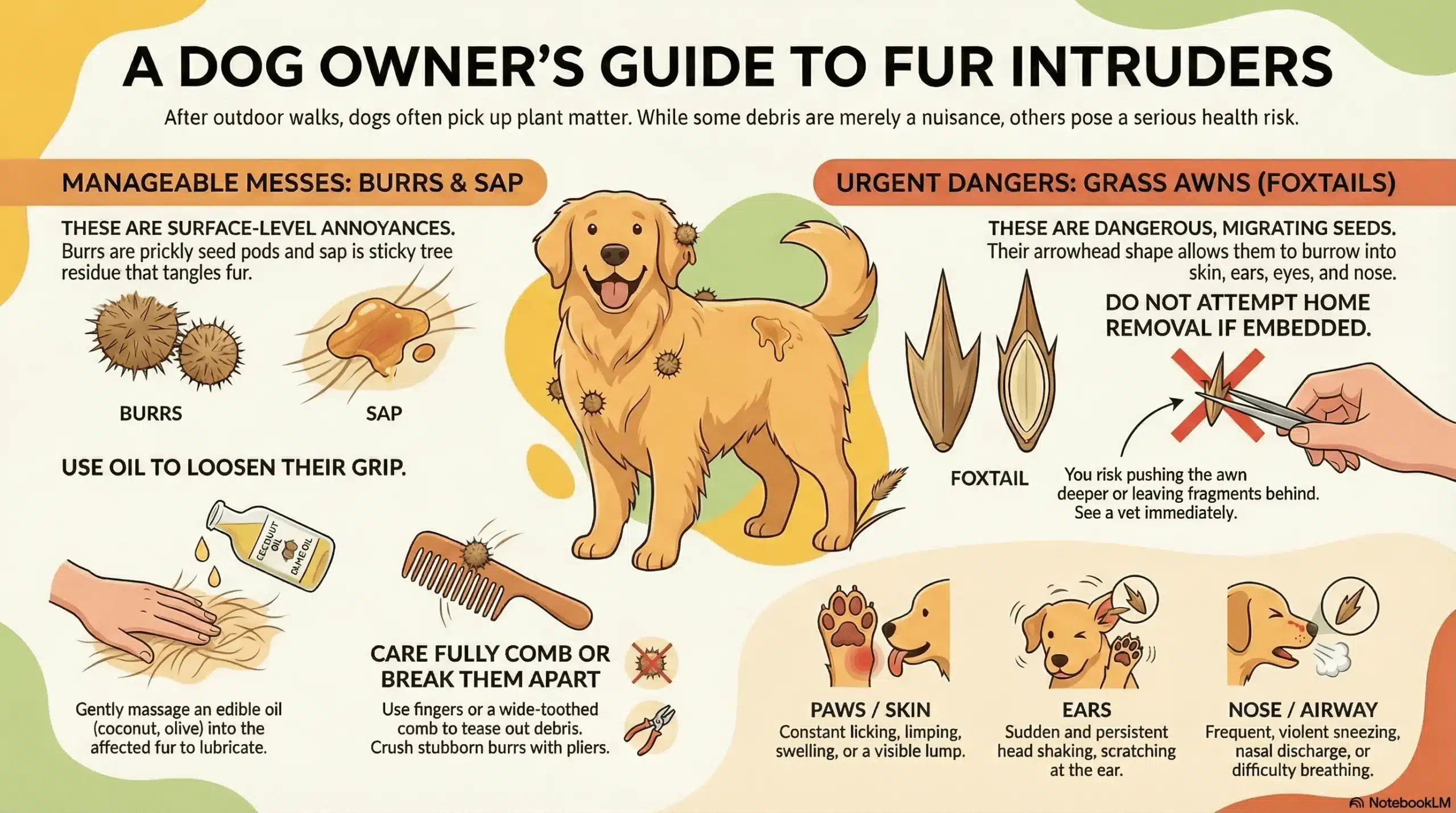
How to Safely Remove Burrs from Fur: Tips and Best Practices
Fur garments and accessories are timeless symbols of elegance, warmth, and craftsmanship. However, they are also delicate and prone to snagging on natural or artificial debris, especially burrs—those pesky seed or plant attachments that cling stubbornly to fur. If you’ve ever found your prized fur entangled with burrs, you know how frustrating it can be to remove them without damaging the delicate fibers. Whether you’re a fur owner, a collector, or a professional cleaner, knowing how to safely remove burrs is essential to preserve the beauty, softness, and longevity of your fur.
This comprehensive guide explores everything you need to know about burrs in fur—from understanding their causes and impact to effective removal techniques and prevention strategies. Equipped with expert tips and recommended tools, you’ll learn how to tackle burrs safely, ensuring your fur remains pristine and well-maintained. Let’s dive into the world of fur care and discover the best practices for burr removal that protect your investment and keep your fur looking its best.
Understanding Common Causes of Burrs in Fur and Their Impact
Burrs often appear in fur after outdoor activities, especially in grassy, wooded, or fields where plants like burrs, burs, and seed pods are prevalent. Animals naturally pick up these plant materials while foraging or roaming, and the tiny hooks or barbs of burrs latch onto fur fibers, making them difficult to remove. For humans, outdoor adventures such as hiking, gardening, or even walking through lush parks increase the chances of burrs clinging to fur garments or accessories. Additionally, improper storage or neglect can lead to burrs becoming embedded or entangled more deeply within the fur.
The impact of burrs on fur quality can be significant if not addressed promptly. Burrs can cause matting by intertwining with fur fibers, which makes detangling more difficult and can result in fur fiber breakage. Over time, if burrs are left untreated, they may also cause discomfort or skin irritation to the wearer, especially if the burrs have sharp or rigid hooks. Furthermore, burrs can trap dirt and moisture, fostering bacterial or mold growth that deteriorates the fur’s delicate structure and appearance. Therefore, understanding their causes emphasizes the importance of careful removal and preventative care to maintain fur’s natural beauty and integrity.
Another factor to consider is the type of fur involved. Natural animal pelts like fox, mink, or rabbit fur tend to be more delicate and prone to damage when handling burrs, while synthetic fur may be more resilient but still susceptible to shedding or fraying. Recognizing the origin and condition of your fur helps determine the best removal approach. Also, the season plays a role; during autumn and early winter, burrs are more prevalent, making vigilance and maintenance even more crucial. Ultimately, understanding the causes and effects of burrs helps you be proactive in your fur care routine, reducing the risk of damage and prolonging the lifespan of your cherished pieces.
Identifying Safe Methods for Removing Burrs from Fur
When it comes to removing burrs from fur, safety and delicacy are paramount. The wrong approach can lead to fiber breakage, loss of fur luster, or even permanent damage. The first step is to assess the severity of the burr entanglement—lightly attaching burrs can often be gently teased out, while heavily embedded burrs may require more careful intervention. Always avoid pulling or yanking aggressively, as this can distort or tear the fur fibers. Instead, focus on gentle techniques that loosen and extract the burrs without stressing the delicate hair or fabric.
A highly recommended method is using a fine-tooth comb or specialized pet grooming tools designed for detangling fur. These tools allow precise control, enabling you to work around the fibers with minimal force. For stubborn burrs, applying a small amount of detangling spray, fur conditioner, or even water can help soften the fibers and make the removal process smoother. Avoid using sharp or pointed objects like scissors or knives unless you are experienced, as these can accidentally cut or damage the fur. If you’re unsure, consulting professional fur cleaners or pet groomers can provide guidance tailored to the specific type of fur and burrs involved.
In addition to mechanical removal, some natural remedies can assist in loosening burrs. For example, using a mixture of mild soap and water or applying a light coat of natural oil (like coconut or mineral oil) can help lubricate the fibers, making it easier to slide the burrs out gently. Always test any cleaning solution on a small, hidden section of the fur first to prevent discoloration or damage. The key to safe burr removal lies in patience and using tools or solutions that respect the fragile nature of fur. Remember, rushing the process can lead to unnecessary damage, so take your time and proceed with care.
Step-by-Step Guide to Carefully Detangle and Remove Burrs
Removing burrs from fur requires a gentle, methodical approach to ensure fibers are preserved and the burrs are fully extracted. Here is a step-by-step guide to help you do this safely and effectively:
-
Prepare Your Workspace and Tools: Find a clean, well-lit area with a flat surface. Gather a fine-tooth comb, detangling brush, small scissors (if necessary), a spray bottle with water or detangling solution, and mild conditioner or oil. Wearing gloves can also help you grip and handle the fur more delicately.
-
Assess and Isolate the Burr: Carefully examine the affected area. Identify the location and size of the burrs. If the burrs are minor and lightly attached, you might be able to work on them directly. For larger or more embedded burrs, consider working from the edges inward.
-
Moisten the Fur: Lightly spray the area with water or a conditioning solution to soften the fibers and reduce static. This step helps the fibers and burrs slide apart more easily. Avoid soaking the fur, as excess moisture can cause damage or matting.
-
Gently Detangle with a Fine-Tooth Comb: Starting at the tips of the fur, carefully work your way towards the base. Use gentle, short strokes and work slowly around the burr, trying to loosen it from the fibers. Hold the fur close to the skin to prevent pulling or stretching.
-
Carefully Remove the Burrs: If the burr begins to loosen, use your fingers or the comb to lift and slide it out. For stubborn burrs, a small pair of scissors may be used to carefully snip away any attached plant material, but only if you have steady hands and are confident in your skills. Never cut into the fur fibers themselves.
-
Repeat and Inspect: Continue the process until all burrs are removed. Check the surrounding area to ensure no pieces remain embedded. After removal, gently brush the fur to restore its natural fluff and look.
-
Clean and Condition the Fur: After burr removal, lightly groom the fur with a soft brush or cloth. Applying a mild conditioner or natural oil can help restore moisture and shine, promoting healthy fibers and reducing static.
By following these steps patiently and carefully, you can effectively remove burrs without compromising your fur’s delicate structure. Remember, stopping and reassessing frequently prevents accidental damage and ensures thorough cleaning.
Tips for Preventing Burrs and Maintaining Fur Quality
Prevention is always better than cure, especially when it comes to maintaining the beauty and integrity of your fur. Regular grooming and proactive care are essential strategies to keep burrs at bay and extend the life of your fur accessories. Start by establishing a routine where you inspect your fur after outdoor activities, especially in high-risk environments like grassy fields or wooded areas. Using a soft brush or comb to gently check for debris can prevent burrs from becoming firmly embedded, making subsequent removal easier and less damaging.
Another effective method for preventing burrs is to apply a light coat of natural oil or fur protectant spray designed specifically for fur or delicate textiles. These products create a thin barrier that reduces the likelihood of plant material catching and sticking. Additionally, storing fur properly—preferably hanging it in a cool, dry, and well-ventilated space—helps prevent the accumulation of dirt, moisture, and plant debris. Using garment bags or breathable covers can also act as a physical barrier against external contaminants.
Beyond physical prevention, consider managing your outdoor activities to minimize exposure to burr-prone environments. For example, when walking in grassy or wooded areas, wearing clothing that covers your body and fur items can reduce contact with burrs. Regular professional cleanings can also help maintain fur quality, removing dirt and potential burrs before they cause damage. Remember, consistent care and mindful habits not only prevent burrs but also keep your fur soft, lustrous, and in excellent condition over time.
Essential Tools and Products for Safe Burr Removal from Fur
Having the right tools and products on hand makes the process of removing burrs much safer and more efficient. A high-quality fine-tooth comb is essential for detangling fur without causing damage. Look for stainless steel or durable plastic options with closely spaced teeth designed for delicate fibers. A soft-bristled brush or pet grooming brush can also help loosen and lift burrs while smoothing the fur’s surface.
In addition to grooming tools, specialized detangling sprays or conditioners can significantly ease burr removal. These products are formulated to soften fibers, reduce static, and facilitate gentle detangling. Natural oils like coconut or mineral oil are also effective, but use sparingly so as not to weigh down the fur or create a greasy residue. For stubborn burrs, small, sharp scissors are useful, but must be used with caution—only to trim away plant material that’s embedded or entangled, never the fur fibers themselves.
Other helpful supplies include gloves for better grip and control, a clean towel for quick cleanup, and a magnifying glass to carefully examine the fur. If you frequently encounter burrs, investing in a portable, travel-friendly grooming kit tailored for fur or pet care can be a game-changer. Remember, the goal is to handle the fur gently and strategically, and having the right tools and products ensures you can do so safely and effectively. Properly equipped, you’ll find burr removal becomes a manageable part of your overall fur care routine, helping preserve your cherished pieces for years to come.
Conclusion
Removing burrs from fur is a delicate task that requires patience, the right tools, and a good understanding of how to do it safely. By understanding the common causes and impact of burrs, you can better appreciate the importance of timely and careful removal. Implementing gentle, step-by-step techniques ensures that your fur’s fibers remain intact and beautiful. Prevention strategies, such as regular grooming, proper storage, and protective products, help minimize the risk of burrs attaching to your fur in the first place.
Armed with the proper tools and informed practices, you can confidently tackle burr removal without fear of damaging your precious fur items. Remember, consistent care and attention not only maintain the aesthetic appeal of your fur but also extend its lifespan, allowing you to enjoy its warmth and elegance for years to come. So next time you encounter those frustrating burrs, approach the task with patience and the right techniques—your fur will thank you!