


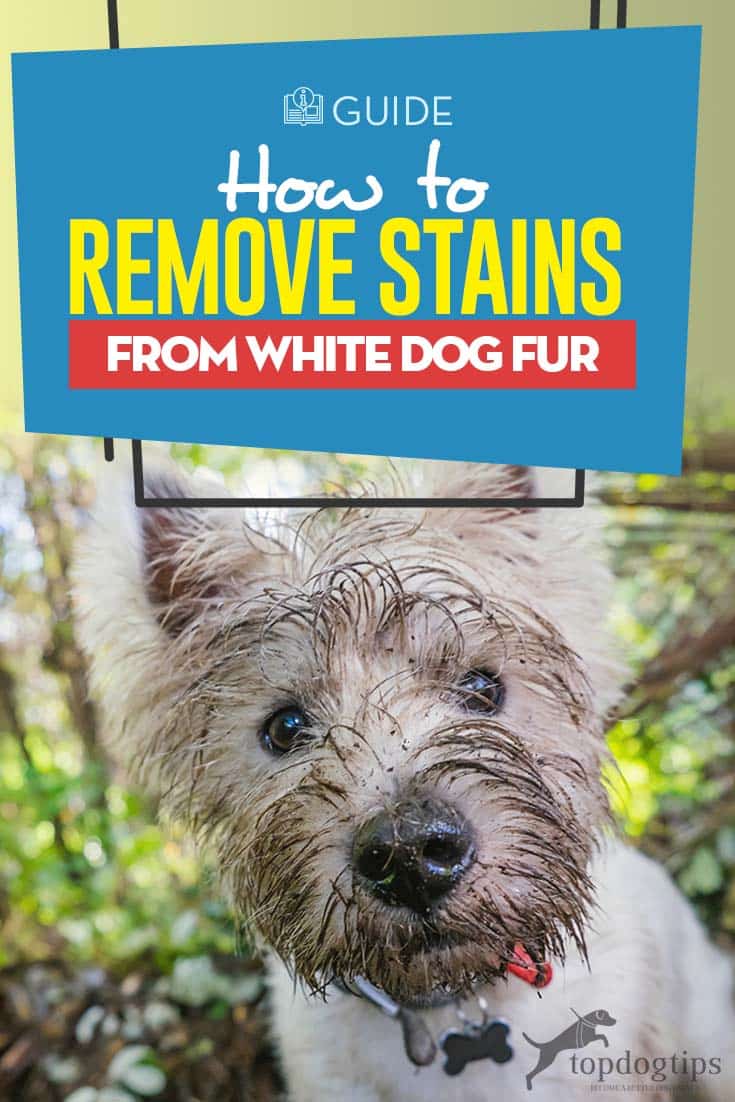
How to Safely Remove Dirt Stains from White Dogs: Expert Tips and Tricks
A white dog is undeniably adorable, with their bright coats illuminating any room or park. However, maintaining that pristine appearance can be a challenge, especially when dirt and mud find their way onto their fur. Dirt stains not only diminish their beauty but can also lead to skin irritation or infections if not cleaned properly. If you’re a concerned dog owner looking for safe and effective ways to keep your white pup spotless, this article is your ultimate guide. We’ll explore what dirt stains are, why they matter, and offer step-by-step tips on how to remove them safely without causing harm to your furry friend’s skin or coat.
Whether you’re dealing with a muddy paw print or stubborn ground-in dirt, understanding the right cleaning techniques and products is essential. We’ll also cover preventive measures to keep your dog looking bright and healthy for longer. Remember, the goal isn’t just aesthetic—it’s about ensuring your dog remains comfortable and happy during the cleaning process. So, let’s dive into how to handle dirt stains effectively and safely.
Understanding Dirt Stains and Their Impact on White Dogs’ Appearance
Dirt stains on white dogs are typically caused by mud, grass, or dirt particles adhering to their fur after outdoor activities. These stains are more than just a cosmetic issue; they can also impact the overall health of your pet if not addressed promptly. Dirt and mud can trap moisture against the skin, creating a breeding ground for bacteria, fungi, or parasites that might lead to infections or skin irritations. Moreover, stubborn stains can be challenging to remove if left untreated, leading to the need for more intensive grooming or professional cleaning.
The visibility of dirt stains on white fur makes them particularly problematic for owners who value their pet’s appearance. These stains can appear as yellowish or brownish patches, often concentrated around the paws, belly, or chest—areas that are more likely to contact the ground. It’s important to note that some stains may set into the fur or even the skin if not cleaned quickly, making removal more difficult later on. Regular brushing and prompt cleaning after outdoor adventures are essential for maintaining a bright, white coat and preventing long-term discoloration.
Understanding the nature of dirt stains helps pet owners adopt better cleaning strategies. Not all dirt is created equal; some soils are water-soluble, while others are oil-based or deeply embedded. For example, grass and soil stains are usually easier to wash out with plain water and gentle shampoos, whereas mud that dries and cements onto fur may require special attention. Recognizing the type of stain and the cause can guide you in choosing the most effective and safest cleaning methods to keep your white dog’s coat shining and healthy.
Preparing Your Dog and Work Area for Safe Stain Removal
Before tackling dirt stains on your white dog’s coat, proper preparation is key to ensuring a safe and stress-free cleaning process. First, gather all necessary supplies—mild pet-friendly shampoos, clean towels, soft brushes, and possibly a gentle stain remover designed for dogs. Avoid harsh chemicals or household cleaners, as they can cause skin irritation or allergic reactions. Having everything within reach prevents unnecessary stress during the cleaning process and minimizes the risk of accidental exposure to harmful substances.
Next, make sure your dog is comfortable and relaxed. Creating a calm environment helps reduce anxiety, especially if your pet is sensitive to baths or grooming routines. Use a non-slip mat in the bathing area to prevent slipping, and consider offering treats or soothing words to encourage cooperation. If your dog is particularly anxious, take extra care to handle them gently and speak softly throughout the process. It’s also wise to inspect the coat for any skin irritations or cuts that might require special attention or veterinary care before starting the cleaning.
Finally, prepare your work area to ensure safety and efficiency. Use a well-ventilated space with warm water—not hot—since temperature extremes can irritate your dog’s skin. Keep a towel or dry cloth nearby to quickly dry the fur after cleaning, and if you’re using any specialized stain removers, test a small patch first to check for possible allergic reactions. Always prioritize your dog’s comfort and safety; a calm, prepared environment will make stain removal easier and more effective, reducing stress for both you and your furry friend.
Gentle Cleaning Techniques and Suitable Cleaning Products for White Dog Fur
When it comes to cleaning white dog fur, the key is to use gentle techniques and products that are specifically designed for pets. Harsh shampoos or household cleaners can strip natural oils, cause dryness, or lead to skin sensitivities. Instead, opt for mild, pH-balanced pet shampoos formulated for white coats, often containing whitening agents or natural brighteners like baking soda or gentle surfactants. These products help lift dirt without damaging the coat or irritating the skin, leaving your dog looking fresh and bright.
A common and effective approach is to start with a thorough brushing to loosen dirt and prevent matting. Use a soft-bristled brush or grooming mitt to gently remove surface debris. For stains that are more stubborn, pre-treat the area using a diluted solution of water and a small amount of gentle stain remover or baking soda paste. Avoid vigorous scrubbing, which can cause skin irritation or fur breakage; instead, work patiently and softly to lift the dirt. For localized stains, applying a pat of the cleaning product directly onto the affected area can be more effective than soaking the entire coat.
When bathing your dog, ensure the water is lukewarm—not hot or cold—to prevent discomfort or skin issues. Use a cup or gentle sprayer to apply shampoo, working from the neck downward, and avoid getting water or soap directly into the ears, eyes, or nose. Rinse thoroughly to remove all residues, as leftover cleaning agents can cause itching or irritation. For extra whitening, some pet-safe conditioners contain optical brighteners that enhance the natural whiteness of the coat. Remember, always choose cleaning products that are specifically formulated for dogs and free from harmful chemicals like parabens, artificial fragrances, or dyes.
Step-by-Step Guide to Removing Dirt Stains Without Causing Skin Irritation
Removing dirt stains from white dog fur requires patience, gentle handling, and the right techniques. Here’s a step-by-step guide to help you do it safely without causing skin irritation:
-
Pre-treatment: Gently brush the coat to remove loose dirt and debris. For stubborn stains, create a paste using baking soda and water or use a pet-safe stain remover. Apply this directly to the stain and let it sit for 5–10 minutes, avoiding sensitive areas like the eyes and ears.
-
Initial rinse: Wet the affected area with lukewarm water, ensuring you do not soak the entire coat if only a small area is stained. Use a gentle stream to prevent startling your dog.
-
Apply mild shampoo: Dilute a small amount of pet-safe whitening shampoo with water. Work the mixture into the stain using your fingertips or a soft cloth, gently massaging to lift dirt. Avoid scrubbing aggressively as this can irritate the skin and damage the fur.
-
Rinse thoroughly: Use lukewarm water to rinse out all soap residues. Leftover shampoo can cause itching or allergic reactions, so double-check that the fur is clean.
-
Dry carefully: Pat the area dry with a clean towel. For a more thorough drying, you can use a blow dryer on a low, cool setting, keeping it at a safe distance to prevent burns or discomfort.
-
Repeat if necessary: For persistent stains, repeat the process after the coat has dried. Patience is key—rushing can cause discomfort or incomplete removal.
Throughout the process, monitor your dog for signs of skin irritation, such as redness or scratching. If you notice any adverse reactions, consult your veterinarian promptly. Regular grooming and prompt stain removal can help maintain your white dog’s coat in pristine condition while ensuring their comfort and health.
Tips for Preventing Future Dirt Stains and Maintaining a Bright White Coat
Prevention is always better than cure, especially when it comes to keeping your white dog looking spotless. One of the most effective strategies is regular grooming—brushing your dog daily helps remove loose fur, dirt, and debris before they settle in deeply. Using a gentle, color-safe whitening shampoo every few weeks can also help maintain the brightness of their coat, especially after outdoor adventures. Additionally, trimming hair around the paws and legs reduces the area where mud and dirt tend to accumulate, making future cleaning easier.
Another practical tip is to establish outdoor routines that minimize your dog’s contact with particularly dirty or muddy areas. Consider using protective gear like dog booties during walks in muddy fields or rainy weather. Wiping your dog’s paws and belly with a damp cloth after outdoor activity can significantly reduce dirt transfer to the coat. Providing a designated clean area in your yard where your dog can play or rest also helps control the amount of dirt that gets on their fur.
Finally, maintaining a healthy diet and regular vet check-ups contributes to a shiny, healthy coat. Proper nutrition supports skin health and can reduce the likelihood of skin irritations caused by dirt or allergies. If stains become stubborn or your dog’s coat starts to yellow despite good grooming habits, consult a professional groomer or veterinarian. They can recommend specialized products or treatments tailored to your dog’s needs, ensuring your furry friend stays bright, comfortable, and happy.
Conclusion
Keeping your white dog’s coat pristine and free of dirt stains is a manageable task when approached with the right knowledge and gentle techniques. Understanding the nature of dirt stains helps you select suitable cleaning products and methods that protect your pet’s skin while restoring their bright appearance. Proper preparation and a step-by-step cleaning routine ensure safe, effective stain removal without causing irritation or discomfort.
Preventive measures—such as regular grooming, paw wiping, and protective gear—are your best allies in maintaining a white coat that radiates health and cleanliness. Remember, patience and consistency are key; rushing or using harsh chemicals can harm your dog and diminish their natural beauty. With these expert tips and tricks, you can confidently keep your white dog looking fresh, bright, and happy every day. Your effort pays off in a happier, healthier pet and a bond strengthened by caring grooming routines.