


How to Safely Trim Your Dog’s Hair After Bathing: Tips for a Smooth Cut
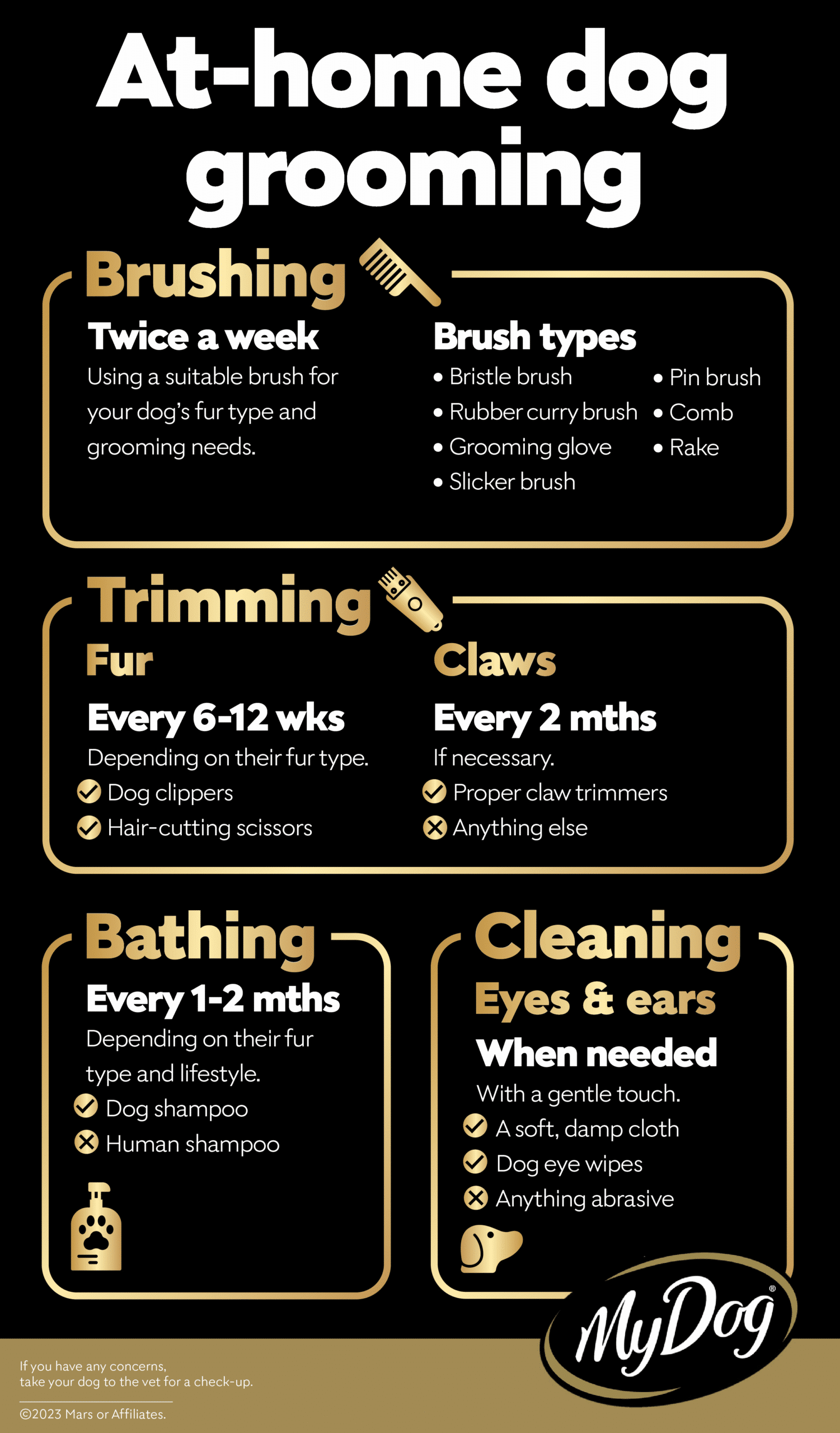
Bathing your dog is an essential part of grooming, but it’s only half the job. Once your pup is clean and squeaky, trimming their hair can help keep their coat healthy, manageable, and looking fabulous. However, trimming a freshly bathed dog requires patience, the right tools, and a gentle approach to ensure your furry friend remains comfortable and safe during the process. In this article, we’ll walk you through everything you need to know— from preparing your dog and grooming area to choosing the right tools, step-by-step trimming tips, managing common challenges, and maintaining a healthy coat. Whether you’re a seasoned groomer or a new pet parent, these tips will help you achieve a smooth cut safely and effectively.
Preparing Your Dog and Grooming Area for Safe Hair Trimming
Before you even pick up the scissors or clippers, preparation is key to a successful and safe grooming session. Start by ensuring your dog is calm and relaxed; a well-hydrated, rested pup is more likely to tolerate grooming routines. Giving your dog a gentle massage or some praise beforehand can help reduce anxiety and make them more receptive to trimming. Additionally, it’s wise to choose a quiet, comfortable space free from distractions, where your dog feels secure. A non-slip mat can prevent slipping, especially on tiled or hardwood floors, and provides better control during grooming.
Next, make sure your grooming area is fully equipped and organized. Gather all necessary tools such as grooming scissors, clippers, brushes, combs, and possibly treats or toys to keep your dog engaged. Inspect your tools to ensure they are clean, sharp, and in good working condition— dull blades or scissors can pull hair painfully and cause discomfort, while dirty tools can introduce bacteria. It’s also beneficial to have a towel or grooming blanket to keep your dog snug and prevent slipping. Remember, safety is paramount: avoid grooming on high or unstable surfaces, and never leave your dog unattended during trimming to prevent accidental injuries.
Finally, consider your dog’s temperament and specific grooming needs. Some breeds require specific trimming techniques or tools, while others may be more sensitive or anxious. For anxious or easily stressed dogs, a calming approach with gentle handling, treats, and frequent breaks can make all the difference. If your dog has any health issues or sensitive skin, consult your veterinarian beforehand for tailored advice. Proper preparation ensures both your safety and your dog’s comfort, setting the stage for a smooth grooming session.
Choosing the Right Tools and Grooming Techniques for Post-Bath Hair Removal
Selecting the appropriate grooming tools is crucial for a safe and effective post-bath haircut. Since your dog’s hair is freshly washed, it’s easier to see and manage, but the coat can also be more fragile or prone to tangles. High-quality, sharp grooming scissors are ideal for precise trimming of sensitive areas like the face, paws, or around the ears. For larger areas or thicker coats, electric clippers with adjustable blades are efficient and provide a more even cut. Be sure to choose clipper blades suited to your dog’s coat length— longer blades for trimming fluff, shorter blades for closer cuts.
When it comes to grooming techniques, start by gently brushing your dog’s coat to remove tangles and loose fur. Use a slicker brush or comb suitable for your dog’s fur type, working slowly and carefully to avoid pulling or causing discomfort. This step also helps to lay the coat flat, making trimming easier and more accurate. When trimming, always cut perpendicular to the skin to prevent pulling or nicking, and work gradually rather than trying to do everything at once. If your dog is nervous or uncooperative, consider using calming sprays or treats to encourage cooperation and reduce stress.
For safety, avoid rushing through the trimming process. Take your time, especially around sensitive areas such as the face, ears, and paws. Using tools designed specifically for pet grooming, rather than human scissors or razors, ensures a safer and more controlled cut. Additionally, maintaining a steady hand and using slow, deliberate movements minimizes the risk of accidental cuts or injuries. Adapting your grooming technique to your dog’s temperament and coat type will help you achieve a smooth, safe trim that looks great and keeps your pet comfortable.
Step-by-Step Guide to Safely Trimming Dog Hair After a Bath
Now that your dog is prepped, and you have the right tools, it’s time to start trimming. Follow this step-by-step guide to ensure a safe, effective, and stress-free grooming session:
-
Start with a gentle brush: Begin by brushing your dog thoroughly to remove loose hair, mats, and tangles. This will help prevent pulling during trimming and give you a clear view of the coat’s condition.
-
Identify problem areas: Focus on areas that require trimming, such as the face, paws, sanitary areas, or any uneven patches. Use your fingers or a comb to gently assess the coat and decide where to trim.
-
Use appropriate tools: For larger areas, opt for clippers with suitable blades. For detailed work or sensitive spots, use grooming scissors. Ensure your tools are clean and sharp.
-
Trim gradually: Start with small, cautious cuts. For scissors, lift the hair between your fingers and trim to your desired length. For clippers, move steadily against the direction of hair growth, maintaining consistent pressure.
-
Work in sections: Divide your dog’s coat into manageable sections, trimming each one thoroughly before moving on. This makes the process more organized and ensures even results.
-
Check for comfort: Frequently stop to check your dog’s reaction. If your pet shows signs of discomfort or stress, pause, offer treats, or take a break. Never force trimming if your dog is overly stressed.
-
Refine the finish: After trimming, go over the coat once more to smooth out uneven patches or stray hairs. Use a fine-tooth comb to check for missed spots and ensure a uniform look.
-
Reward your dog: Finish the grooming session with praise, treats, or playtime to reinforce positive associations with grooming.
By following this methodical approach, you’ll help ensure your dog’s safety and comfort while achieving a professional-looking trim.
Addressing Common Challenges and Ensuring Comfort During Grooming
Grooming after a bath isn’t always smooth sailing—many dogs can be nervous, restless, or resistant to trimming. Recognizing and managing these challenges is essential for a safe grooming experience. If your dog is anxious or fidgety, keep grooming sessions short and positive. Use treats, praise, or favorite toys to distract and motivate them. Consider working in a calm, quiet environment and maintaining a gentle, reassuring tone throughout the process. If your dog is particularly sensitive, it might help to introduce grooming tools gradually, letting them sniff and become familiar with the equipment before use.
Handling difficult areas requires patience and tact. For example, trimming around sensitive spots like the face or paws can be intimidating for both you and your dog. Use small, controlled movements and take frequent breaks to prevent discomfort or panic. If your dog is resisting, stop and try again later or enlist the help of a professional groomer. For stubborn mats or tangles, it’s often safer to have a groomer handle the removal, as improper cutting can cause injury or pain. Remember, never force a grooming process; patience and calmness are your best tools.
Finally, keep an eye on your dog’s overall well-being during grooming. Watch for signs of distress, such as trembling, whining, or attempting to escape. If your dog shows signs of pain or discomfort, stop immediately and consult your veterinarian if necessary. Regular, positive grooming experiences will help your dog become more comfortable over time, making future trims easier and less stressful for everyone involved.
Tips for Maintaining Your Dog’s Coat Health and Managing Future Hair Trims
Proper coat maintenance is vital for your dog’s overall health and makes future grooming sessions easier. Regular brushing helps distribute natural oils, preventing dryness and matting, especially in breeds with long or thick fur. Scheduling consistent grooming routines—such as every 4-6 weeks—can help you stay ahead of mats and reduce the need for drastic trims. Incorporate conditioning sprays or coat-specific supplements if your dog has dry or sensitive skin, but always consult your vet for tailored advice.
Monitoring your dog’s coat for signs of skin issues, parasites, or unusual shedding is essential. A healthy coat should be shiny, clean, and free of bald spots or redness. If you notice any abnormalities, seek veterinary advice promptly. During trims, focus on maintaining a balanced and appropriate coat length for your dog’s breed and lifestyle. For example, trimming long hair around the eyes or paws not only looks tidy but also prevents discomfort or injury. Using clipper guards or scissors to maintain a manageable length will keep grooming sessions quicker and less stressful.
Lastly, educate yourself on breed-specific grooming needs and best practices. Some breeds require frequent trims or specialized grooming techniques, while others benefit from minimal trimming. Investing in quality grooming tools and staying consistent with routine care will promote a healthy, shiny coat and a happier, more comfortable dog. Remember, grooming isn’t just about appearance—it’s about maintaining your dog’s overall health and well-being.
Conclusion
Trimming your dog’s hair after a bath is a rewarding part of pet ownership that helps keep your furry friend healthy, comfortable, and looking their best. The key lies in thorough preparation, choosing the right tools, and adopting gentle, systematic grooming techniques. Patience, calmness, and a positive attitude go a long way in making the process smoother and more enjoyable for both of you. Addressing common challenges with understanding and care ensures your dog remains relaxed and stress-free, fostering a positive grooming experience that can be built upon over time. Finally, regular coat maintenance and awareness of your dog’s specific grooming needs will simplify future trims and promote their overall coat health. With these tips in mind, you’re well on your way to mastering safe, effective, and enjoyable dog grooming—making both you and your pup happier!