


How to Safely Trim Your Dog’s Tail Fur Without Causing Pain
Giving your dog a tidy coat and a well-groomed tail can boost their comfort and appearance, but it’s essential to do so safely and thoughtfully. Trimming tail fur isn’t just about making your pup look good; it’s also about ensuring their comfort and preventing potential injuries. If you’re new to grooming or nervous about trimming your dog’s tail, don’t worry—this guide will walk you through every step, from preparing the right tools to recognizing signs of discomfort. With patience and care, you can keep your furry friend happy, healthy, and looking their best.
Preparing the Proper Tools and Environment for Safe Tail Fur Trimming
The first step toward a safe and stress-free tail fur trim is gathering the right tools. Sharp, high-quality grooming scissors or grooming clippers designed specifically for pets are essential. Regular scissors may cause tugging or uneven cuts, which can be uncomfortable or even painful for your dog. Look for scissors with rounded tips for added safety, or electric clippers with adjustable blades suitable for delicate areas. Additionally, keep a fine-tooth comb or slicker brush on hand to detangle the fur before trimming—this reduces the risk of pulling and makes the process smoother.
Creating a calm, quiet environment is equally important. Dogs are often sensitive to loud noises and chaotic surroundings, which can heighten their anxiety during grooming. Choose a well-lit space with minimal distractions—perhaps a quiet corner of your bathroom or a grooming table if available. Having all your tools within reach helps prevent unnecessary movement or stress. Providing your dog with a non-slip mat can also give them confidence and stability during the process. Before starting, spend a few minutes calming your dog with gentle petting or treats to establish a trusting and relaxed atmosphere.
Finally, safety should be your priority. Keep stray hair and loose tools off the floor to avoid accidents. If your dog is particularly nervous or squirmy, consider using a grooming restraint or enlist the help of a second person to gently hold and soothe your pet. Never rush the process—patience and preparation are key to creating a positive grooming experience that minimizes pain and discomfort.
Understanding Tail Fur Growth and Sensory Sensitivity in Pets
Every dog breed has different tail fur growth patterns, so understanding what’s normal for your pup is crucial. Some breeds, like Poodles or Bichon Frises, naturally have curly, dense tail fur that requires regular trimming to prevent matting. Others, like Beagles or Retrievers, have shorter, straighter tail hair that might need less frequent grooming. Knowing your dog’s fur type helps you determine the appropriate trimming length and technique, preventing unnecessary cuts or irritation.
Beyond fur length, dogs also have a highly sensitive tail area packed with nerve endings. The tail is vital for communication and balance, so rough handling or painful trimming can cause stress or distress. Dogs might react with tail flicks, yelping, or attempts to escape if they feel discomfort. Recognizing these sensitivities is essential—gentle touches, calm voices, and slow movements help your dog stay at ease. Remember that puppies and senior dogs may be more sensitive, requiring even gentler approaches to avoid causing pain.
It’s also helpful to pay attention to your dog’s behavior before, during, and after trimming. If your dog has had a bad experience or is naturally anxious, consider consulting a professional groomer or veterinarian for advice. Educating yourself on your dog’s fur growth patterns and sensory sensitivities allows you to tailor your grooming routine, ensuring it’s both safe and comfortable for your furry friend.
Step-by-Step Techniques for Gentle and Effective Tail Fur Trimming
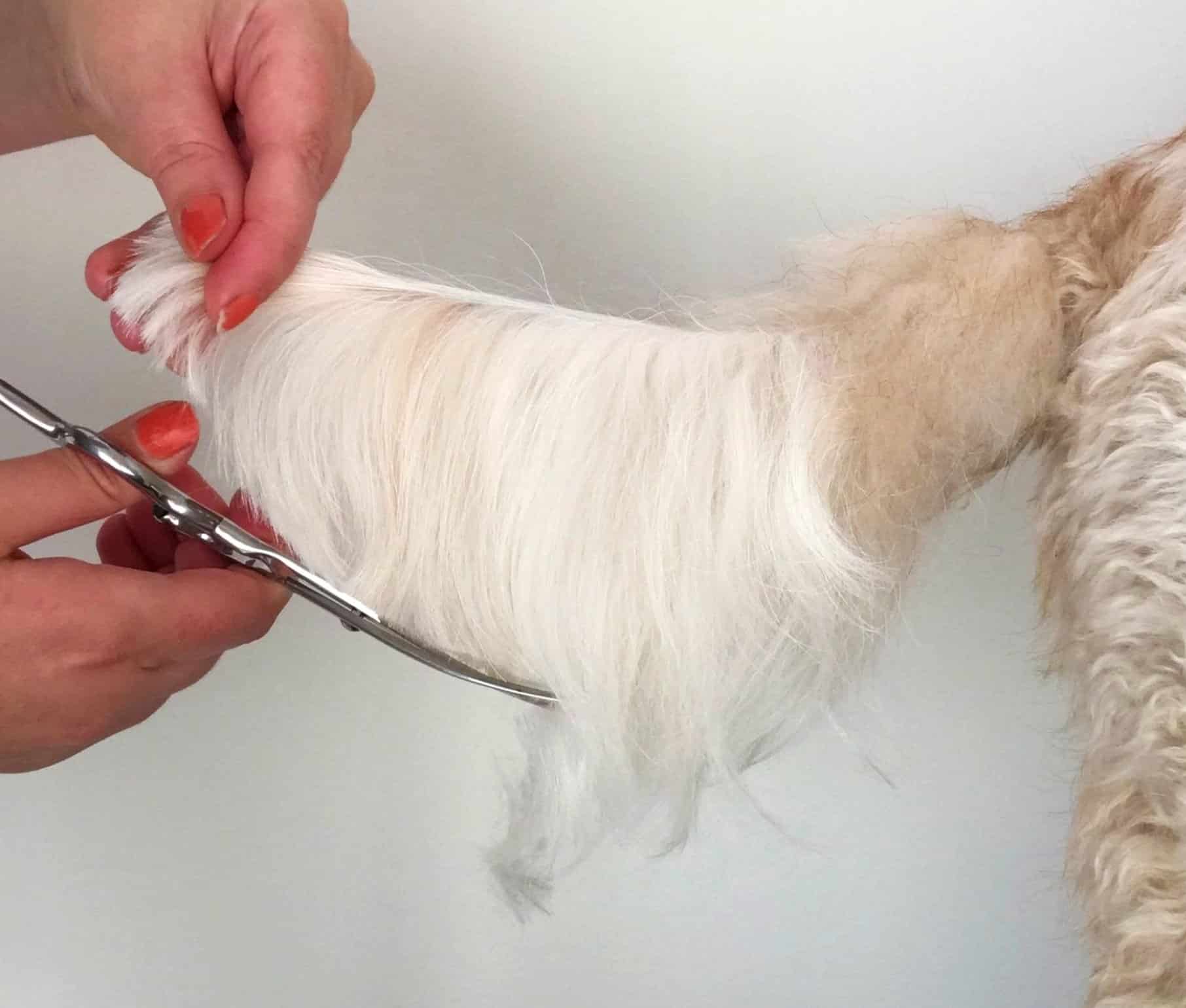
Approaching tail fur trimming with patience and gentle techniques makes all the difference in preventing pain. Start by securing your dog comfortably on a non-slip surface, and gently brush the tail to detangle the fur. This step reduces pulling and makes cutting more even. Hold the tail firmly but softly, supporting the base to avoid sudden movements that can cause discomfort. Always cut small amounts at a time—remember, you can always trim more, but you can’t undo a cut that’s gone too far.
When trimming, work slowly from the base of the tail outward, following the natural growth direction of the fur. Use short, controlled snips with scissors or move your clippers smoothly along the hair. If your dog shows signs of discomfort—such as pulling away or whining—pause and give them a moment to relax. For sensitive areas, use a finer blade or scissors for more precise control. Avoid applying excessive pressure or stretching the skin, as this can cause pain or injury. Regularly check the length you’ve trimmed to keep the tail looking tidy and natural.
If you’re using clippers, always keep the blades clean and well-lubricated to prevent pulling hair or overheating. For scissors, opt for rounded-tipped grooming scissors to avoid poking or stabbing your dog’s skin. Throughout the process, communicate softly and praise your dog generously—this positive reinforcement helps build trust and makes future grooming sessions easier. Remember, the goal is to keep the fur neat without causing any pain or stress, so take your time and be gentle at every step.
Recognizing Signs of Discomfort and Preventing Pain During Trimming
Dogs can’t tell us exactly when they’re in pain, so it’s vital to observe their behavior closely during grooming. Signs of discomfort include yelping, whining, tense muscles, trying to escape, or sudden tail flicks. If your dog exhibits any of these signals, stop trimming immediately and give them a break. Continuing despite signs of pain can lead to fear of grooming, or worse, injuries like cuts or skin irritation. Always prioritize your dog’s emotional and physical well-being over completing the trim quickly.
To prevent pain and discomfort, maintain a gentle approach throughout the grooming process. Use slow, deliberate movements and avoid rushing through the trim. Keep the fur well-maintained—matted or tangled fur not only looks unkempt but can also cause skin irritation or infections if left untreated. If your dog resists, consider breaking the task into smaller segments, rewarding their cooperation with treats or praise, and gradually increasing the duration over time. Patience is key; forcing a dog to endure an uncomfortable grooming session can backfire and make future trims more difficult.
Understanding the common pitfalls can help you avoid causing pain. Never force a cut or clip if your dog is resisting—this can lead to accidental injuries. Always use the appropriate tools and maintain a calm environment. If your dog is particularly sensitive or anxious, consult a professional groomer or veterinarian for advice on behavior modification techniques or sedation options. Recognizing the signs of discomfort and responding promptly ensures the grooming experience remains safe, pain-free, and even enjoyable for your dog.
Post-Trimming Care and Tips for Maintaining a Healthy, Comfortable Tail
After trimming, give your dog a thorough check to ensure no stray hairs are causing irritation or pulling. Use your fingers or a fine-tooth comb to smooth out the fur and verify that there are no uneven patches or missed spots. If you notice any cuts, redness, or swelling, consult your veterinarian promptly to prevent infection or further discomfort. Applying a soothing, pet-safe antiseptic or calming spray can help reduce irritation and promote healing if needed.
To maintain your dog’s tail health and reduce the frequency of trims, establish a regular grooming routine tailored to your dog’s fur type and activity level. Regular brushing prevents matting, distributes natural oils, and keeps the tail area clean and healthy. Keeping your dog’s tail dry and free from dirt or debris also minimizes the risk of skin infections or irritation. Remember that a well-maintained tail contributes to your pet’s overall comfort and can help you spot potential health issues early.
Lastly, always end grooming sessions on a positive note. Offer your dog praise, treats, or playtime to reinforce the experience as a safe and pleasant activity. Providing a cozy place for your dog to relax afterward helps them associate grooming with comfort. Over time, this routine builds trust and makes future trimming easier, ensuring that your dog’s tail stays healthy, comfortable, and free from pain.
Conclusion
Trimming your dog’s tail fur safely without causing pain is an achievable task that combines proper preparation, understanding your pet’s needs, gentle techniques, and attentive care. By choosing the right tools, creating a calm environment, and recognizing your dog’s comfort signals, you can turn grooming into a bonding experience rather than a stressful event. Remember, patience and kindness are your best tools—never rush and always prioritize your dog’s well-being. With consistent, gentle care, you’ll keep your pup looking tidy and feeling comfortable, strengthening the trust and love that make your bond special. So, grab your grooming tools, set the scene for a peaceful session, and enjoy caring for your furry friend’s health and happiness!