

How to Safely Use a Hairdryer on Your Dog: Tips for Gentle Drying
Many dog owners find drying their furry friend after a bath to be one of the more challenging parts of grooming. While a hairdryer can be a quick and effective way to dry your dog’s coat, it also comes with potential risks if not used properly. If done carefully, however, it can be a safe and stress-free experience that helps keep your dog comfortable and their coat healthy. In this article, we’ll explore everything you need to know about safely using a hairdryer on your dog, from understanding the risks to expert tips for gentle drying and post-drying care.
Understanding the Risks and Benefits of Using a Hairdryer on Your Dog
Using a hairdryer on your dog can greatly reduce drying time and help prevent skin issues caused by dampness, such as hot spots or fungal infections. It’s also a useful tool for grooming, especially for breeds with thick or long coats that are difficult to dry naturally. However, there are significant risks involved if the process isn’t handled with care. Dogs can be sensitive to loud noises and high heat, which might cause anxiety or stress. Additionally, improper use of a hairdryer can lead to burns, skin irritation, or even damage to the ears and eyes.
Despite these risks, the benefits make it worth learning how to do it safely. When used correctly, a hairdryer can help you achieve a smooth, fluffy coat, reduce drying time, and promote healthier skin by improving circulation. The key is understanding your dog’s specific needs, choosing appropriate equipment, and following best practices to minimize discomfort and dangers. Remember, not all dogs tolerate or need a blow-dry—some small breeds or those with sensitive skin might be better dried with towels or air drying, so always assess your pet’s temperament and health first.
To strike the right balance, always prioritize your dog’s comfort and safety. If your dog has underlying health issues or skin conditions, consult your veterinarian before introducing a hairdryer into the grooming routine. Properly managing the risks and leveraging the benefits will help you turn what might seem like a stressful task into a positive grooming experience for both of you.
Preparing Your Dog and Environment for Safe Drying
Preparation is the foundation of a safe and stress-free drying process. Before turning on the hairdryer, ensure your dog is calm and comfortable. A gentle brushing before drying can help remove tangles and loose hair, making the drying process smoother and helping to reduce the time your dog spends with a hot appliance near their skin. Use treats and praise to create positive associations with grooming, especially if your dog is new to blow-drying or tends to be nervous.
Creating a suitable environment is equally important. Choose a quiet, well-ventilated space free from distractions or loud noises that could startle your dog. Place a non-slip mat on the floor to prevent slipping, and keep the area warm to avoid chilling during and after drying. Make sure your grooming area is well-lit so you can monitor your dog closely and spot any signs of discomfort or distress. Having all your tools within reach—such as brushes, towels, and the appropriate hairdryer attachments—helps keep the process smooth and minimizes stress.
Additionally, consider your dog’s health and coat type when preparing. For example, dogs with thick coats or long hair may require longer brushing sessions and a more careful drying approach. If your dog has sensitive skin or allergies, opt for hypoallergenic shampoos and conditioners that promote healthy skin, which will be easier to dry and less prone to irritation. Ensuring your dog is physically and emotionally prepared sets the stage for a positive grooming experience.
Choosing the Right Hairdryer and Settings for Pet Grooming
Not all hairdryers are created equal, especially when it comes to grooming dogs. Using a regular human hairdryer often isn’t suitable because of higher heat settings and powerful airflow that can damage a dog’s skin or cause discomfort. Instead, invest in a pet-specific dryer or a high-quality, adjustable tool designed for animal grooming. These often come with features like variable heat settings, multiple airflow speeds, and specialized nozzles that allow for gentle, controlled drying.
When selecting a hairdryer for your dog, prioritize models that offer cool or low heat settings. Dogs’ skin is more sensitive than human skin, and excessive heat can cause burns or irritation. Look for devices with adjustable temperature controls and a cool shot button to help set the coat without risking heat damage. The airflow should be gentle; high-powered dryers can be overwhelming and intimidating, especially for anxious pets. Using a dryer with a wide, brushless nozzle can help distribute airflow evenly and prevent hot spots.
Another important factor is noise level. Many pet owners prefer dryers designed to operate quietly because loud noises can increase stress and fear. Some models advertise "low noise" features, which can make a significant difference in your dog’s comfort. Remember, starting with the lowest heat and airflow settings and gradually increasing as needed will give you better control and reduce the risk of discomfort. Always read the manufacturer’s instructions and consult your groomer or veterinarian if unsure about the best equipment for your dog.
Step-by-Step Guide to Safely Drying Your Dog with a Hairdryer
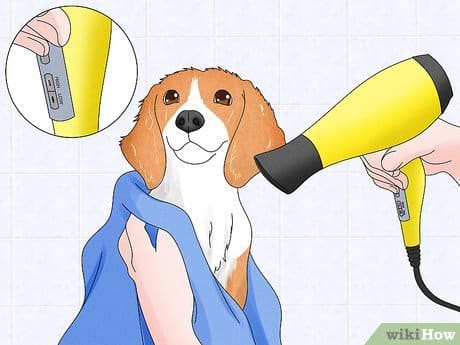
Drying your dog with a hairdryer requires patience, consistency, and gentle handling. Begin by ensuring your dog is towel-dried as much as possible to remove excess water before using the dryer. This reduces the amount of time the dryer needs to be in use and minimizes noise and heat exposure. Keep the dryer at a safe distance—around 6 to 12 inches from your dog’s coat—and start with the lowest heat and airflow settings to avoid startling or burning the dog.
Work slowly and systematically, moving the dryer in smooth, sweeping motions across the coat. Focus on one section at a time, and don’t concentrate the airflow on sensitive areas like the face, ears, or abdomen. Use your free hand to gently lift the hair and guide the airflow, making sure to keep the dryer moving continuously to prevent hot spots. Pay special attention to the undercoat and areas prone to dampness, such as behind the ears, armpits, and groin, to ensure thorough drying.
Observe your dog’s reactions throughout the process. If your pet shows signs of discomfort or stress, take breaks, offer treats, and speak softly to reassure them. Be especially cautious around the ears, nose, and eyes; avoid directing airflow into these delicate areas. Patience is key—rushing increases the risk of injury or anxiety. Once the coat is dry, inspect for any remaining damp spots, and consider using a slicker brush to fluff the fur and remove loose hair, leaving your dog looking tidy and comfortable.
Tips for Comfort and Stress Reduction During the Drying Process
Many dogs find the sound and sensation of a hairdryer intimidating, which can lead to stress or fear during grooming. To help your dog stay relaxed, start by introducing the dryer gradually, allowing them to sniff and inspect the device before turning it on. Use positive reinforcement—treats, praise, and gentle touches—to create a calm environment. Keep your tone soothing to reassure your dog that the grooming session is safe and pleasant.
Maintaining a gentle and patient approach is crucial. Never force your dog into a grooming session or rush the process, as this can heighten anxiety. If your dog is particularly nervous, consider starting with brief drying sessions and gradually increasing the duration over time. Incorporate calming techniques such as playing soft music or using calming sprays designed for dogs. Providing a comfortable space where your pet feels secure—perhaps with their favorite blanket or toy nearby—can also help reduce stress.
Pay attention to your dog’s body language; signs of discomfort include trembling, flattened ears, avoiding eye contact, or trying to move away. If your dog becomes too stressed, it’s better to pause and try again later rather than pushing through. Remember, grooming should be a positive experience. Use lots of praise, treats, and gentle petting to reinforce good behavior and build trust. A calm and patient approach ensures that your dog feels safe, making future drying sessions easier for both of you.
Post-Drying Care and Maintenance for Your Dog’s Skin and Coat
After drying, take a moment to check your dog’s skin and coat for any signs of irritation, cuts, or hot spots. If you notice redness, swelling, or any suspicious spots, consult your veterinarian to rule out infections or allergies. Regular grooming, including brushing and bathing, helps maintain a healthy coat and skin, and it can also make drying easier over time. Remember to use gentle brushes suited to your dog’s coat type to prevent pulling or discomfort.
Moisturize your dog’s skin as needed, especially if your pet has dry or sensitive skin. There are specially formulated pet-approved conditioners and sprays that can help soothe irritation and promote a shiny, healthy coat. Keep your dog warm and comfortable after drying, especially during colder months, by providing a cozy blanket or a warm space. This prevents chills and helps the skin recover from the grooming session.
Finally, maintain your equipment by regularly cleaning your hairdryer and nozzles to prevent dust and pet hair buildup, which can affect performance and hygiene. Store your grooming tools safely out of reach of your dog to prevent accidental damage or injury. Consistent post-drying care not only keeps your dog looking and feeling good but also contributes to long-term skin health and a happy grooming routine.
In conclusion, safely using a hairdryer on your dog involves understanding the potential risks, preparing your pet and environment, choosing appropriate equipment, and following a gentle, patient drying process. By prioritizing your dog’s comfort and health, you can turn grooming into a positive bonding experience. Remember, every dog is different—what matters most is tailoring your approach to suit your pet’s individual needs. With careful attention and practice, you’ll master the art of gentle drying, ensuring your furry friend stays healthy, comfortable, and beautifully groomed.