

How to Safely Wash a Dog After a Skunk Spray: Step-by-Step Guide
Getting sprayed by a skunk is one of those pet owner nightmares that can happen unexpectedly and leave both pet and owner feeling overwhelmed. The pungent odor isn’t just unpleasant—it can be stubborn to remove and potentially harmful if not handled correctly. Fortunately, with the right approach, you can effectively neutralize the smell and ensure your furry friend stays safe and comfortable. In this comprehensive guide, we’ll walk you through the essential steps to safely wash your dog after a skunk encounter, from assessing your dog’s condition to preventative tips to avoid future run-ins.
Whether you’re a first-time dog owner or a seasoned pet parent, understanding the proper procedures for skunk odor removal is crucial. Not only does this process involve cleaning, but it also requires attention to your dog’s health, safety, and comfort. So, let’s dive into the step-by-step approach to restore your dog’s fresh scent and keep your pet happy and healthy.
Assessing the Dog’s Condition and Preparing for the Bath
Before diving into the cleaning process, it’s important to evaluate your dog’s overall health and any immediate concerns. Skunk spray can sometimes cause skin irritation or distress, especially if your dog has sensitive skin or has been exposed for an extended period. Check your dog for any signs of injury or swelling, particularly around the eyes, nose, and mouth. If your dog appears distressed, is showing signs of allergic reactions, or has trouble breathing, it’s best to consult a veterinarian immediately before proceeding with the bath.
Once you’re confident your dog is physically okay, it’s time to prepare the bathing area and gather all necessary supplies. Choose a location that is easily accessible and allows for a thorough rinse—this could be your bathtub, shower, or an outdoor hose if the weather permits. Lay out towels, gloves, and all cleaning supplies beforehand to avoid having to search for items mid-process. Protect yourself with waterproof gloves and old clothes, as skunk smell can linger on your skin and clothing. Keep your dog calm and secure with a leash or harness, and consider the use of treats or soothing words to make the experience less stressful for your pet.
Additionally, it’s beneficial to prepare your dog mentally for the upcoming bath. Some dogs may become anxious or fearful after a skunk encounter, so using gentle reassurance or calming aids—like soft voices or calming sprays—can make the process smoother. If your dog becomes particularly anxious, consider enlisting a helper to assist with holding and comforting your pet. The key here is patience—rushing through this step can increase stress and make the cleaning more difficult. By assessing your dog’s condition and setting up properly, you’ll create a safer environment for both of you and set the stage for an effective cleaning session.
Choosing the Best Skunk Odor Neutralizing Shampoo and Cleaning Supplies
Selecting the right cleaning products is the cornerstone of effectively removing skunk odor from your dog’s coat. Over-the-counter shampoos are often not sufficient to neutralize such strong and persistent smells, so specialized skunk odor neutralizers or enzymatic cleaners are recommended. Look for products specifically formulated for pet use, containing ingredients like baking soda, hydrogen peroxide, and dish soap—these work together to break down the compounds responsible for the skunk smell.
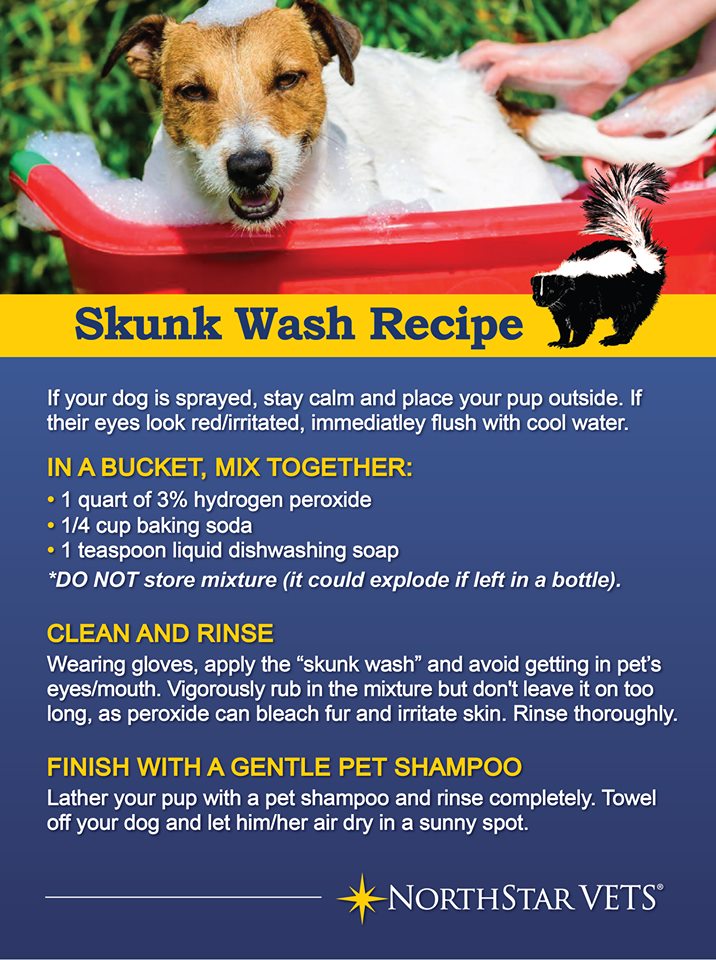
A popular and highly effective homemade solution involves a mixture of 3% hydrogen peroxide, baking soda, and dish soap. This combination acts as a powerful chemical reaction that neutralizes the odor molecules. However, it’s crucial to use these ingredients carefully: never store or reuse the mixture, and avoid getting it in your dog’s eyes, ears, or mouth. Commercial enzymatic shampoos designed for odor removal can also be found at pet stores and are formulated to be gentle yet effective on your dog’s skin and fur.
Along with the main odor-neutralizing shampoo, you’ll need other cleaning supplies such as a gentle dog-specific shampoo (for after the initial neutralization treatment), soft brushes, washcloths, and towels. Consider having a pair of scissors on hand if you need to trim heavily contaminated fur. For particularly sensitive dogs, use fragrance-free, hypoallergenic products to prevent skin irritation. Remember, the goal is to eliminate the odor thoroughly while protecting your dog’s skin and coat health. Choosing the right supplies ensures not only a more effective clean but also a safer experience for your pet.
Proper Techniques for Washing and Rinsing a Skunked Dog
When washing your dog after a skunk spray, patience and gentle handling are essential. Start by thoroughly wetting your dog’s coat with lukewarm water—hot water can cause discomfort and dry out their skin, while cold water may not be as effective at loosening the oil and odor. Apply the odor-neutralizing solution generously, working it into the fur from the head to the tail, being careful to avoid the eyes, ears, and mouth. Use gloves and a washcloth if needed to reach sensitive areas gently.
Allow the solution to sit on your dog’s coat for at least 5 to 10 minutes, giving it enough time to break down the oil and neutralize the smell. You can gently massage the solution into the fur to enhance penetration. After the designated time, rinse thoroughly with lukewarm water until no residue remains. Proper rinsing is crucial—leftover solution can cause skin irritation or an uneven odor removal. Repeat the application if necessary, especially in heavily contaminated areas like the face, underarms, and groin.
Once the initial odor-neutralizing wash is complete, follow up with a gentle dog shampoo to restore moisture and soothe the skin. Use a soft brush or washcloth to help lift dirt and oil from the coat, and ensure every part is rinsed well. Pat your dog dry with towels—avoid vigorous rubbing that can irritate the skin. For long-haired breeds, combing out tangles during the drying process can help prevent matting and remove residual odor. Keep your dog warm and comfortable during and after the bath, and monitor them closely for any signs of skin discomfort or allergic reactions post-wash.
Additional Odor Removal Methods and Deodorizing Tips
After the initial cleaning, there are several additional steps you can take to ensure the smell is fully neutralized. One popular method is applying a homemade or commercial deodorizer—such as a diluted apple cider vinegar solution (1 part vinegar to 2 parts water)—which can help break down remaining odor molecules and restore your dog’s natural scent. Be cautious to avoid sensitive skin areas and test first on a small patch to prevent irritation.
Another effective tip involves using coconut oil or a dog-safe conditioner after bathing. These can help condition the coat, lock in moisture, and add a subtle, pleasant scent that masks residual skunk odor. Regular brushing post-bath can also aid in removing any lingering oils or odor particles trapped in the fur. For stubborn smells, some pet owners resort to odor-absorbing powders or sprays designed specifically for pets, but always choose products labeled safe for canine use.
Beyond topical applications, cleaning your dog’s environment can also help prevent the smell from lingering. Wash bedding, toys, and collars thoroughly to remove any residual odor. Ventilate your home by opening windows and using fans to disperse indoor odors. Remember, patience is key—sometimes it takes multiple washes or deodorizing treatments over a few days to fully eliminate the skunk smell. Consistent grooming and deodorizing help keep your dog smelling fresh and prevent the odor from embedding deeply into the fur or skin.
Post-Bath Care and Preventative Measures to Minimize Future Skunk Encounters
After successfully bathing and deodorizing your dog, proper post-bath care is essential to ensure their comfort and skin health. Dry your dog thoroughly with a soft towel, and consider using a dog-safe blow dryer on a low, cool setting to speed up the process—this prevents dampness that can lead to skin issues. Check your dog’s skin and coat for any signs of irritation or reaction to the cleaning products used. If you notice redness, swelling, or excessive scratching, consult your veterinarian promptly.
To keep your dog healthy and reduce the chances of future skunk encounters, consider implementing preventative measures. Keep your yard well-maintained by trimming bushes and removing potential skunk habitats like piles of debris or dense shrubbery. Installing motion-activated lights or outdoor fencing can discourage skunks from approaching your property altogether. Training your dog to avoid wildlife or practicing commands like “leave it” can also prevent them from chasing or startling skunks in the first place.
Finally, regular grooming and routine checks can help you spot early signs of skunk spray or other issues before they become problematic. Maintain a pet-friendly outdoor environment, and consider using safe deterrent sprays or repellents that are designed to keep skunks and other wildlife at bay. By taking proactive steps, you not only safeguard your dog from future encounters but also create a safer, more enjoyable environment for everyone in your household.
Conclusion
Dealing with a skunk spray on your dog can be a challenging experience, but with the right knowledge and approach, you can effectively and safely neutralize the odor. Start by assessing your dog’s physical condition and preparing your cleaning supplies. Choose specialized odor-neutralizing shampoos and follow proper techniques for washing and rinsing, ensuring thorough coverage and patience. Supplement your cleaning routine with additional deodorizing methods, environment cleaning, and regular grooming to keep your pet smelling fresh.
Preventative measures are equally important—by modifying your yard, training your dog to avoid wildlife, and using deterrents, you can minimize the risk of future skunk encounters. Remember, safety and patience are key throughout the process, and consulting a veterinarian when needed can safeguard your dog’s health. With these tips, you’re well-equipped to handle skunk spray safely and keep your beloved pet comfortable, healthy, and odor-free.