


How to Safely Wash a Dog That Hates Being Touched: Tips & Tricks
Bath time can be a stressful ordeal for many dogs—especially those who are sensitive, anxious, or simply dislike being touched. If your furry friend views bath time as a dreaded event, it’s important to approach the process with patience, understanding, and a strategic plan. In this article, we’ll explore effective ways to safely and gently bathe a dog that hates being touched, focusing on understanding their behavior, preparing the environment, using gentle techniques, employing positive reinforcement, and fostering trust. Whether your dog is a rescue with past trauma or just naturally nervous, these tips will help make bath time safer, more comfortable, and even a little more enjoyable for both of you.
Understanding Your Dog’s Behavior and Stress Signals During Bathing
Before diving into the washing process, it’s crucial to recognize that dogs communicate their discomfort and stress through specific behaviors and signals. Understanding these cues can help you intervene early, prevent escalation, and adapt your approach for a more positive experience. Signs of stress in dogs during bathing include lip licking, yawning, trembling, avoiding eye contact, trying to escape, growling, or snapping. Some dogs may become stiff or freeze in place—clear indicators that they’re overwhelmed.
Every dog is unique, and their stress signals can vary based on temperament, past experiences, or individual sensitivities. For example, a rescue dog with a traumatic history might respond more intensely to touch, while a naturally anxious dog may show subtle signs of discomfort. Recognizing these cues allows you to pause or modify your approach before your dog becomes overtly distressed, reducing the risk of injury or fear-based aggression. Patience is key—pushing through a dog’s stress can make future baths even more difficult, so respecting their boundaries is paramount.
Furthermore, understanding your dog’s behavior extends beyond recognizing stress signals; it involves appreciating their emotional state and building trust over time. Dogs that feel safe and secure are more likely to tolerate handling and grooming. When you notice signs of stress, such as tension or retreating, it’s a good idea to take a step back and employ calming techniques or delay the bath until your dog’s comfort level improves. This gentle, observant approach not only ensures safety but also fosters a stronger bond built on trust and understanding.
Preparing Your Dog and Bathing Area for a Stress-Free Wash
Preparation is the cornerstone of a safe and successful dog bath, especially when dealing with a dog that dislikes touch. Start by choosing a calm, quiet environment free from distractions or loud noises that might heighten your dog’s anxiety. Whether it’s a bathtub, a shower stall, or a designated outdoor spot, make sure the space is safe, secure, and comfortably accessible. Using non-slip mats can prevent slips and falls, which could exacerbate your dog’s discomfort or lead to injuries.
Before the bath begins, gather all necessary supplies—shampoo, towels, brushes, and a cup or sprayer—for easy access. Having everything within arm’s reach minimizes the need to leave your dog unattended or search for items mid-bath, which can be stressful for both of you. Additionally, consider using calming aids such as pheromone sprays, calming music, or a favorite blanket to create a soothing environment. If your dog is particularly anxious, a harness or leash can help gently control movement without causing additional stress, as long as it’s used calmly and appropriately.
Another crucial aspect is to set realistic expectations and proceed gradually. If your dog is new to bathing or extremely resistant, start by introducing them to the bathing area without water, letting them explore and associate the space with positive experiences. Use treats and praise to build familiarity and trust. Remember, patience and consistency are key—rushing into a full bath can increase anxiety and make future baths more challenging. With careful preparation, you lay the groundwork for a safer, calmer bathing experience that minimizes stress for your dog.
Step-by-Step Techniques for Gently Washing a Dog That Dislikes Being Touched
When bathing a dog that hates being touched, a gentle, step-by-step approach is essential. Begin by acclimating your dog to being handled outside of bath time—touch their paws, ears, and tail gently, rewarding calm behavior with treats and praise. This builds positive associations and helps your dog accept handling gradually. During the actual bath, start by introducing water carefully—use lukewarm water, and splash small amounts on their legs or back rather than pouring directly onto their head or face, which can be frightening.
Use a soft, supportive voice throughout the process to reassure and soothe your dog. When applying shampoo, use gentle, circular motions and avoid scrubbing aggressively, as this can cause discomfort or pain. If your dog resists, take short, frequent breaks to pet or praise them, and then continue when they seem more relaxed. Focus on the areas your dog is comfortable with first, then gradually work toward more sensitive areas like the face and ears, using a damp cloth for cleaning the face instead of direct water contact.
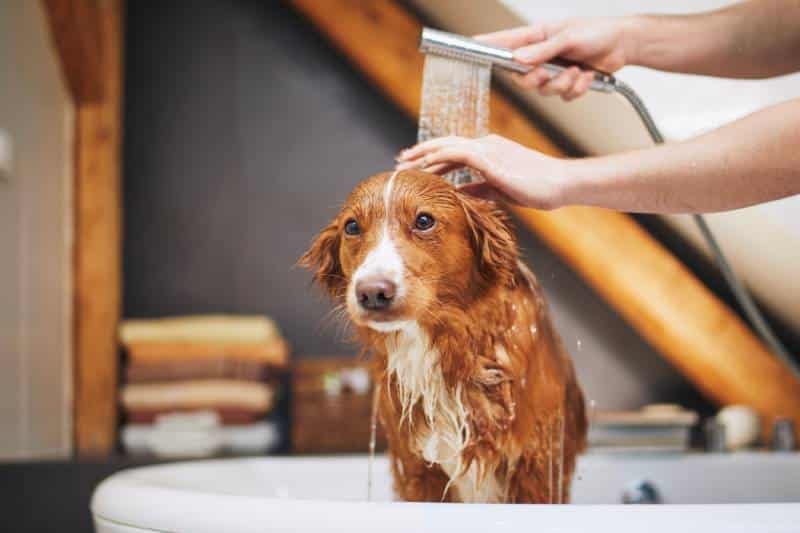
In addition, controlling your dog’s movement is vital—consider using a handheld showerhead or a cup to slowly rinse, avoiding high-pressure streams that can startle them. Be attentive to your dog’s body language, and don’t force them into uncomfortable positions. Instead, allow them to move at their own pace, rewarding cooperation at every step. Remember, patience and consistency turn the bathing process into a manageable routine, even for dogs who initially resist being touched.
Using Positive Reinforcement and Calming Methods to Ease Bath Time Anxiety
Positive reinforcement is one of the most effective tools for transforming bath time from a stressful event into a more manageable experience. Reward your dog generously with treats, praise, or a favorite toy whenever they remain calm or cooperate during any stage of the bath. This creates an association between bathing and positive outcomes, helping reduce anxiety over time. Use high-value treats that your dog finds irresistible to motivate calm behavior, and be patient—progress may be gradual but rewarding.
Calming methods such as gentle massage, deep pressure, or calming sprays can further ease your dog’s anxiety. Softly massaging your dog’s body before and during the bath can provide comfort and help them feel more secure. Some owners find that applying calming pheromone sprays or diffusers in the bathing area can significantly reduce stress and promote relaxation. If your dog responds well to music, playing soft, calming tunes during bath time can create a soothing environment that distracts from the procedure.
Consistency is key when applying calming techniques. Establish a routine where every bath begins with a calm, reassuring tone and ends on a positive note, regardless of how the process unfolds. Take breaks when necessary, never punish or scold your dog for resisting, and always prioritize their emotional well-being. Over time, these positive, gentle methods can help your dog build trust and even begin to associate bath time with comfort rather than fear.
Post-Bath Care and Tips for Reinforcing Trust to Make Future Baths Easier
Once the bath is complete, it’s crucial to continue reinforcing positive feelings and trust. Dry your dog with a soft towel, speaking softly and gently to keep the atmosphere calm. If your dog tolerated the bath well, reward them immediately with praise, treats, or a favorite activity to reinforce the experience as a positive one. This helps your dog associate bath time with kindness and rewards, gradually reducing apprehension for future baths.
Post-bath care also involves paying attention to your dog’s emotional state. Some dogs might feel vulnerable or overstimulated afterward, so providing a quiet, comfortable space for them to relax is helpful. Offering a cozy blanket or their favorite toy can provide a sense of security and assist in calming down. If your dog is particularly sensitive, consider grooming or handling sessions outside of bath time to continue building trust and familiarity, making each subsequent bath easier.
Finally, consistency and patience are essential for future bathing success. Keep a routine, stick to positive reinforcement, and respect your dog’s boundaries at every step. Over time, you’ll notice your dog becoming more comfortable with touch and handling during baths, transforming what was once a stressful experience into a manageable, even tolerable, part of their grooming routine. Remember, the goal is to create a safe, trusting environment where your dog feels cared for and secure.
Conclusion
Bathing a dog that hates being touched can be a challenging but rewarding process. By understanding their behavior and stress signals, preparing a calm environment, employing gentle techniques, and reinforcing positive experiences, you can turn bath time into a safer, less stressful routine. Patience, consistency, and a focus on building trust are vital—each small step you take helps your dog feel more secure and willing to cooperate. Remember, every dog is unique, and progress may take time, but with a compassionate approach, you can make grooming sessions more comfortable for your furry friend. Ultimately, a stress-free bath benefits not only your dog’s health and hygiene but also strengthens your bond—a gift that lasts well beyond the bath itself.