


How to Safely Wash a Dog with Emotional Trauma: Tips for a Calm Experience
Grooming is an essential part of maintaining your dog’s health and hygiene, but what if your furry friend has experienced emotional trauma or has a naturally anxious disposition? Washing a dog with a history of fear, stress, or trauma can be a delicate process that requires patience, understanding, and specific techniques to ensure it’s a positive experience. In this article, we’ll explore how to safely and gently bathe a dog with emotional trauma, offering practical tips and strategies to make grooming a calmer, less stressful activity for both you and your beloved pet.
Whether your dog has developed grooming-related anxiety due to past negative experiences or is naturally sensitive, understanding their emotional state is the first step towards creating a safe grooming environment. From preparing your dog properly to selecting soothing products and reinforcing positive associations, each step is designed to reduce fear and promote trust. With a little extra care, you can turn bath time into a bonding experience instead of a source of stress.
Understanding Canine Emotional Trauma and Its Impact on Grooming
Emotional trauma in dogs can stem from a variety of sources, such as past abuse, neglect, abrupt handling, or negative grooming experiences. These traumatic events often lead to heightened anxiety, fearfulness, or even aggression during grooming sessions like baths or nail trims. Understanding how trauma affects dog behavior is essential to approach grooming with empathy and patience.
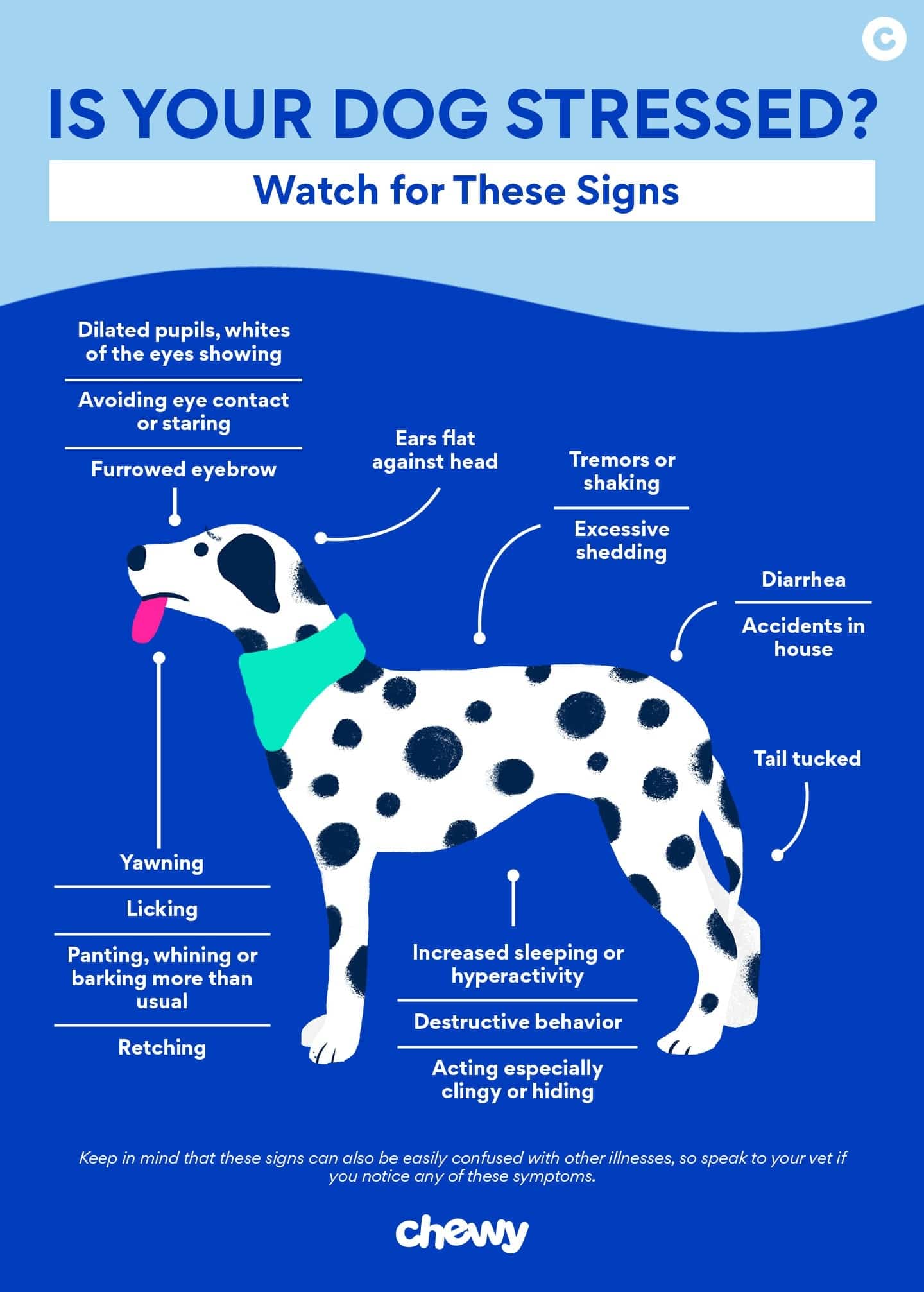
Traumatized dogs may show signs of distress through trembling, hiding, trying to escape, excessive vocalization, or aggressive attempts to avoid contact. Their responses are often rooted in fear rather than true aggression, which is why gentle handling and a calm environment are crucial. Recognizing these signs allows owners to tailor their approach, gradually building trust and reducing the likelihood of retraumatization during grooming.
Moreover, emotional trauma can make dogs more sensitive to certain stimuli, such as water, loud noises, or unfamiliar scents. For some dogs, the sound of running water or the feel of water on their fur can trigger panic attacks. To mitigate this, it’s important to understand each dog’s unique triggers and to proceed slowly. Consulting with a professional dog trainer or behaviorist can also be helpful if your dog’s trauma is severe, ensuring that grooming routines are adapted to their emotional needs.
Preparing Your Dog for the Bath to Reduce Anxiety
Preparation is key when grooming a dog with emotional trauma. Start by creating a safe, stress-free environment where your dog feels secure. Spend time building positive associations with grooming tools and the bathing area by introducing treats, praise, and calm voices. Practice short, informal sessions involving gentle handling and introducing the sound of running water without immediately jumping into a full bath.
It’s beneficial to establish a routine that your dog can anticipate, making grooming part of a predictable daily or weekly schedule. Consistency helps reduce uncertainty, which is often a major cause of anxiety. Before the bath, engage in calming activities such as gentle petting or playing with your dog to help lower their stress levels. If your dog is particularly anxious, consider using calming aids like pheromone sprays, calming collars, or natural supplements, but always consult your veterinarian first.
Additionally, ensure your grooming area is quiet, free from sudden noises or disturbances, and filled with comforting items like their favorite blanket or toy. If your dog associates grooming with negative experiences, introducing the concept gradually—such as first just touching paws or ears without water—can help desensitize them over time. Remember, patience and a gentle approach are vital; rushing the process can reinforce fear and make future grooming even more challenging.
Choosing Gentle and Soothing Bathing Products for Sensitive Dogs
Selecting the right grooming products is a fundamental aspect of ensuring a calm bathing experience, especially for dogs with emotional trauma. Opt for hypoallergenic, fragrance-free, and gentle shampoos formulated specifically for sensitive skin. Harsh chemicals, artificial fragrances, or strong scents can increase anxiety or cause skin irritation, adding to your dog’s discomfort.
Look for products that contain natural soothing ingredients like oatmeal, aloe vera, or chamomile, which can help calm irritated or sensitive skin while providing a calming aroma. Always check the label for the product’s safety standards and avoid overly medicated or medicated shampoos unless prescribed by your veterinarian. Using the right shampoo minimizes discomfort and prevents skin issues, making bath time more tolerable.
In addition to choosing the proper shampoo, consider the use of calming sprays or wipes designed to relax dogs before and during grooming sessions. These products can help reduce overall stress levels and create a more peaceful atmosphere. Remember, the goal is to make your dog feel safe and secure, so avoid using harsh cleaning agents or products with strong scents that could trigger fear responses.
Step-by-Step Techniques for Stress-Free Dog Washing
A calm, systematic approach can transform bath time from a stressful ordeal into a positive experience for your traumatized dog. Begin by gently introducing your dog to the bathing environment well in advance—this might mean letting them explore the tub or bathing area without water initially. Use treats and praise generously to reinforce the idea that this space can be safe and comfortable.
When it’s time to bathe, keep the experience as calm and predictable as possible. Use lukewarm water to avoid discomfort, and support your dog’s body firmly but gently to prevent slipping or feeling insecure. Speak softly and reassuringly throughout, and avoid sudden movements or loud noises. Wet the dog gradually, starting from the paws and working upward, allowing them to get accustomed to the sensation at their own pace.
During the wash, focus on maintaining a steady, gentle touch and avoid overhandling sensitive areas. Use washcloths or soft brushes to clean, doing so with patience and care. Rinse thoroughly to ensure no residue remains, which could cause irritation or discomfort. If your dog begins to show signs of distress, pause and offer soothing words, treats, or a break to regain composure. Consistency and patience are the keys to creating a stress-free grooming routine tailored to your dog’s emotional needs.
Post-Bath Comfort and Reinforcing Positive Associations
After the bath, it’s essential to provide immediate comfort and positive reinforcement to help your dog associate grooming with good things. Gently towel-dry your dog in a soft, warm towel, speaking soothingly to help them relax. If your dog tolerates it, use a blow dryer on the lowest heat setting, but only if they’re comfortable with the noise and sensation—otherwise, let them air dry.
Offering treats, praise, or playtime after the bath helps reinforce a positive association with grooming routines. Avoid punishing or scolding if your dog shows signs of stress or fear—this can undo the trust you’ve worked hard to build. Instead, focus on calm, gentle interactions, and always end each grooming session with affection and reassurance to reinforce their sense of safety.
Finally, monitor your dog’s behavior after the bath. If they remain anxious or fearful, consider incorporating calming techniques like gentle massage, calming music, or pheromone diffusers in their environment. Over time, consistent positive experiences will help your dog build confidence and reduce trauma-related fears associated with grooming. Remember, patience and empathy are your best tools for helping your dog feel safe and secure during bath time.
Conclusion
Bathing a dog with emotional trauma requires a gentle, patient approach that prioritizes your pet’s emotional well-being. By understanding the roots of their fears, preparing a calming environment, choosing appropriate products, employing step-by-step techniques, and reinforcing positive experiences afterward, you can make grooming a safe, stress-free activity. Remember, every dog is unique, so tailor your approach to their specific needs and be patient as they learn to trust the grooming process. With kindness, consistency, and care, you’ll help your furry friend overcome their anxieties and foster a lifelong positive association with bath time.