


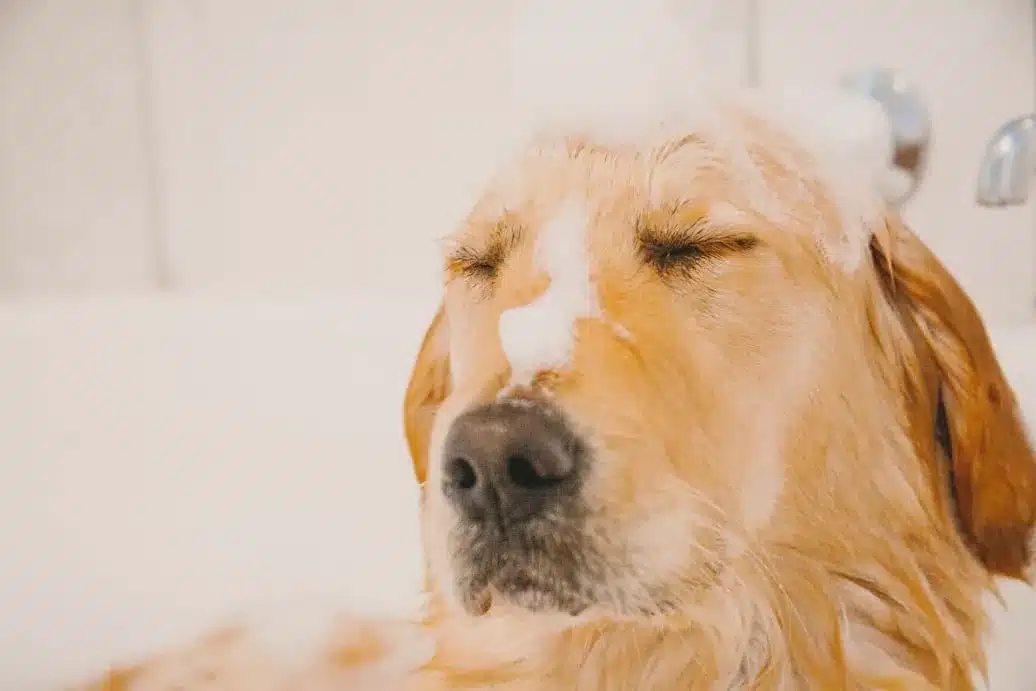
How to Safely Wash a Dog with Sensitive Whiskers: Tips and Tricks
Bathing a dog is a routine part of pet care that keeps your furry friend clean, healthy, and happy. However, when your dog has particularly sensitive whiskers, the process can become tricky and stressful—for both you and your pet. Whiskers, or vibrissae, are highly sensitive tactile hairs that play an essential role in your dog’s spatial awareness, navigation, and even emotional expression. Damaging or irritating them can cause discomfort or confusion for your dog, making bath time a challenge.
In this article, we’ll explore how to safely wash a dog with sensitive whiskers, sharing practical tips and techniques to make the experience safe, gentle, and stress-free. Whether your dog has delicate facial features or you’re simply cautious about their comfort, these insights will help you master the art of gentle bathing that respects your pet’s unique needs.
Understanding the Sensitivity of Dog Whiskers and Their Role in Comfort
Dog whiskers, or vibrissae, are specialized sensory hairs that are deeply embedded in the skin and connected to a rich nerve supply. Unlike regular fur, whiskers are highly sensitive to touch, vibrations, and even air currents. They serve as an early warning system, helping dogs gauge their surroundings—especially in low-light conditions or tight spaces—by detecting nearby objects or changes in airflow.
Because whiskers are so sensitive, even minor contact or pressure can cause discomfort or distress. When bathing a dog with sensitive whiskers, it’s vital to recognize that these hairs are not just decorative but serve an essential functional role. Overly vigorous cleaning, harsh shampoos, or inappropriate handling can irritate or damage these delicate structures, leading to sensory overload or anxiety for your pet.
Additionally, some dogs naturally have more sensitive whiskers than others, influenced by breed, individual temperament, or previous experiences. Understanding this sensitivity is the first step toward creating a bathing routine that minimizes discomfort and promotes trust. Always approach your dog’s face and whisker area with gentle movements and patience, respecting their natural sensory boundaries.
Preparing Your Dog for a Gentle and Stress-Free Bath
Preparation is key to ensuring a safe and relaxing bathing experience for a dog with sensitive whiskers. Start by choosing a calm, quiet environment free from loud noises or sudden movements that could increase your dog’s anxiety. Before the bath, spend some time gently handling your dog’s face and whisker area to acclimate them to touch—use soft strokes and soothing words to build trust.
It’s also helpful to gather all necessary supplies beforehand—such as gentle dog shampoo, soft washcloths, and towels—so you can focus entirely on your dog during the process. Using lukewarm water (not hot or cold) is essential, as extreme temperatures can cause discomfort or stress. Consider using a handheld showerhead with adjustable pressure; set it to a gentle stream to prevent accidental force that could harm sensitive facial features.
If your dog is particularly anxious about baths, try incorporating positive reinforcement techniques: offer treats, praise, or favorite toys before and after the bath. Introducing a non-slip mat in the bathing area can also help your dog feel more secure and prevent slips that could lead to sudden movements or injuries. The goal is to create a calm, controlled environment where your dog feels safe and in control, which significantly reduces the risk of accidental whisker irritation.
Choosing the Right Cleaning Products for Sensitive Whiskers
The selection of cleaning products plays a crucial role in protecting your dog’s sensitive whiskers during bath time. Many commercially available dog shampoos contain harsh chemicals, fragrances, or dyes that can irritate delicate facial hairs and skin. For dogs with sensitive whiskers, opt for hypoallergenic, gentle, and fragrance-free formulations designed specifically for sensitive skin. These products are formulated to cleanse without stripping natural oils or causing irritation.
Additionally, avoid using human shampoos or household cleaning products, which are often too harsh for canine skin and facial hairs. Look for shampoos labeled “mild,” “hypoallergenic,” or “for sensitive skin,” and check the ingredient list for natural, soothing components like aloe vera or oatmeal. If your dog has known allergies or skin conditions, consult your veterinarian for recommendations on the best products tailored to their needs.
Remember, the key is gentle cleansing—not vigorous scrubbing. When applying shampoo, focus on the body and avoid the face and whisker area unless specifically recommended by a vet. Diluting shampoos with water can also help reduce their potency if your dog’s skin or whiskers are particularly reactive. Proper product choice ensures a comfortable and irritation-free bathing experience for your sensitive-faced dog.
Step-by-Step Guide to Washing a Dog with Very Sensitive Whiskers
A methodical, gentle approach is essential when bathing a dog with sensitive whiskers. Here’s a practical step-by-step guide:
-
Prepare the Bath Area: Fill the tub or basin with lukewarm water, ensuring it’s shallow enough to keep your dog comfortable but sufficient to cover their legs and body. Keep all supplies within reach so you can focus on your dog without unnecessary interruptions.
-
Secure and Calm Your Dog: Use treats or favorite toys to encourage your dog to enter the bathing space. Use a non-slip mat to prevent slipping and reassure your pet with gentle voice commands.
-
Wet the Body Gently: Using a handheld showerhead or soft cup, gently wet your dog’s body, avoiding the face and whisker area initially. Keep the water pressure low to prevent startling or irritating the sensitive hairs.
-
Apply Shampoo with Care: Dilute a small amount of gentle dog shampoo in water if needed. Using your hands or a soft washcloth, lightly apply the shampoo to the body, avoiding direct contact with your dog’s face and whiskers. Use gentle, circular motions, and be extra cautious around the face.
-
Clean the Face and Whiskers Carefully: Dampen a soft, damp cloth with water or a specially formulated dog facial wipe. Gently wipe around the face, avoiding vigorous rubbing or direct pressure on the whiskers. If necessary, use a tiny amount of diluted shampoo on the cloth, and rinse thoroughly afterward.
-
Rinse Thoroughly: Rinse the entire body with lukewarm water, again avoiding the face. Ensure no shampoo residue remains, as it can cause irritation.
-
Dry Gently: Wrap your dog in a soft towel, gently patting to absorb excess water. Avoid rubbing the face or whisker area vigorously. If using a hairdryer, set it to the lowest heat and airflow setting, keeping it at a safe distance to prevent heat irritation.
This step-by-step process emphasizes gentle handling and patience, ensuring your dog’s whiskers and sensitive skin are protected at every stage.
Tips for Drying and Post-Bath Care to Protect Sensitive Facial Features
Drying your dog after a bath is just as important as the washing process, especially for sensitive whiskers. Patience and gentle techniques help prevent irritation or damage. Use a soft, absorbent towel to gently blot the face and whisker area, avoiding any vigorous rubbing. For dogs with longer hair, a soft-bristled brush can be used to help remove tangles and promote natural drying, but do so carefully around the face.
If you decide to use a blow dryer, choose the lowest heat and airflow setting, and keep the nozzle at least a few inches away from the skin and whiskers. Maintain constant movement to avoid focusing heat on one spot, which could cause discomfort or burns. Many dogs find gentle, warm air soothing, but always monitor your pet for signs of distress.
Post-bath care also involves monitoring your dog’s facial area for any signs of irritation, redness, or dryness. Applying a small amount of dog-safe moisturizer or calming aloe gel can soothe the skin if needed, but consult your veterinarian before using any topical products. Regularly checking your dog’s whiskers and facial skin helps catch potential issues early, ensuring continued comfort and health.
In Conclusion: Making Bath Time Safe and Comfortable for Sensitive Dogs
Bathing a dog with sensitive whiskers requires patience, gentle handling, and the right products. Understanding the vital role whiskers play in your dog’s sensory perception fosters empathy and careful care. Preparing a calm environment, choosing hypoallergenic products, and adopting a step-by-step gentle approach can significantly reduce stress and prevent irritation. Proper drying and post-bath care complete the routine, ensuring your dog’s facial features and whiskers remain healthy and comfortable.
By respecting your dog’s sensory boundaries and using these expert tips, you can turn bath time into a positive bonding experience rather than a stressful chore. Ultimately, a gentle, thoughtful approach not only protects your dog’s sensitive facial features but also builds trust and reinforces your role as a caring pet owner. Remember, every dog is unique—tailor your routine to your dog’s specific needs, and don’t hesitate to seek professional advice if you’re unsure about any aspect of bath time.